
PUMA Brand Activation
The Program
Most brand activations measure success in impressions. This one measured success in dwell time. PUMA needed a retail activation for their Outlet store at Mills at Jersey Gardens. The brief: pull the right audience into the store and keep them there long enough to buy. The relationship became a multi month recurring engagement instead of a one off booking. The brief was simple. Get the right people in the door. Give them a reason to stay. Let the merchandise do the closing.
What we Did
Built the room around one question. Why would someone want to stay. Right audience read from the first hour. Right music curated to match the PUMA brand voice, energy that reads retail, not club, not lounge. Right pace held from doors open through the peak sales window. Live microphone hosting during in store engagement moments. Music selection tuned to the customers browsing the merchandise, not just the customers walking past the store.
Event Photos
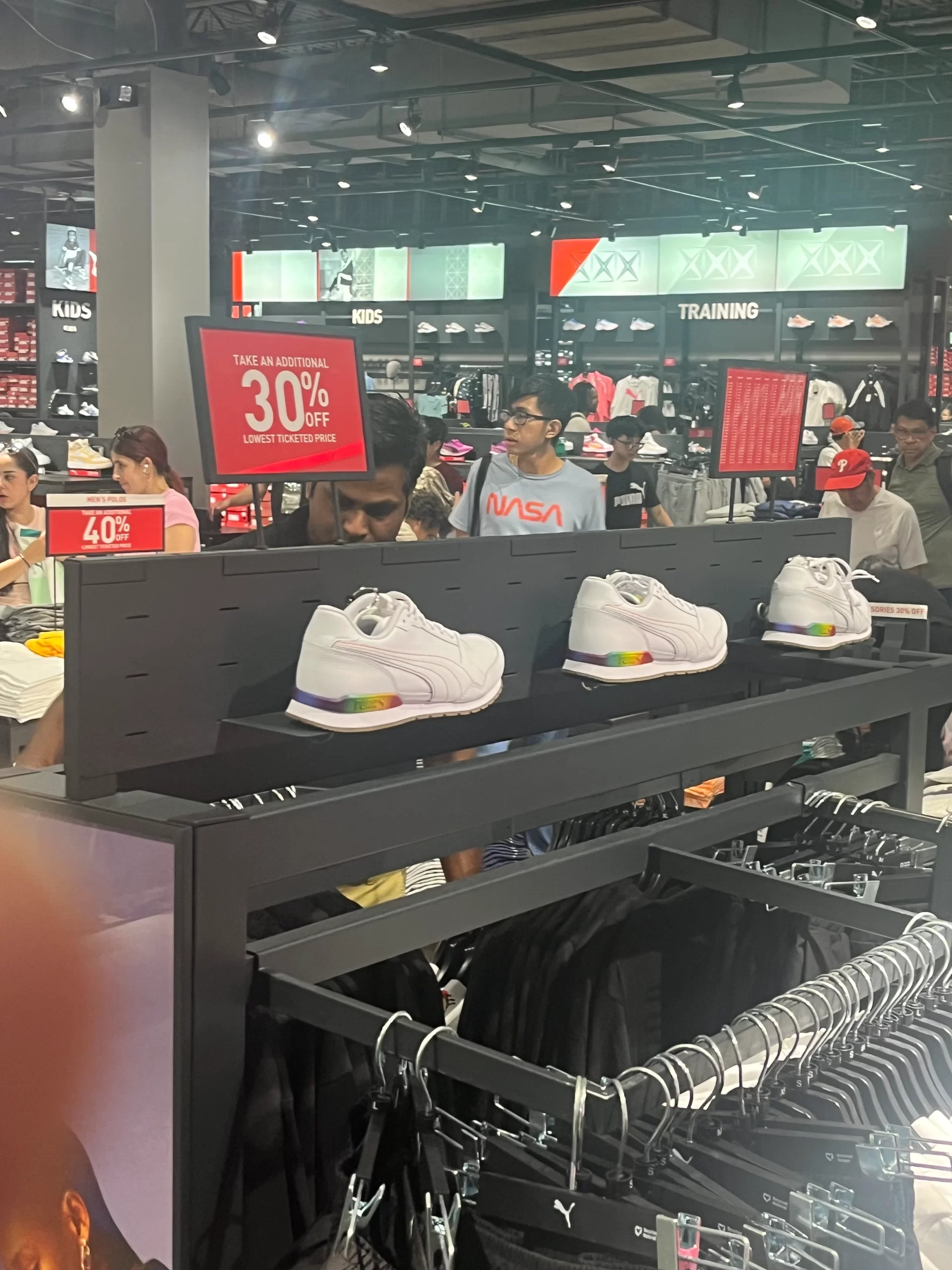
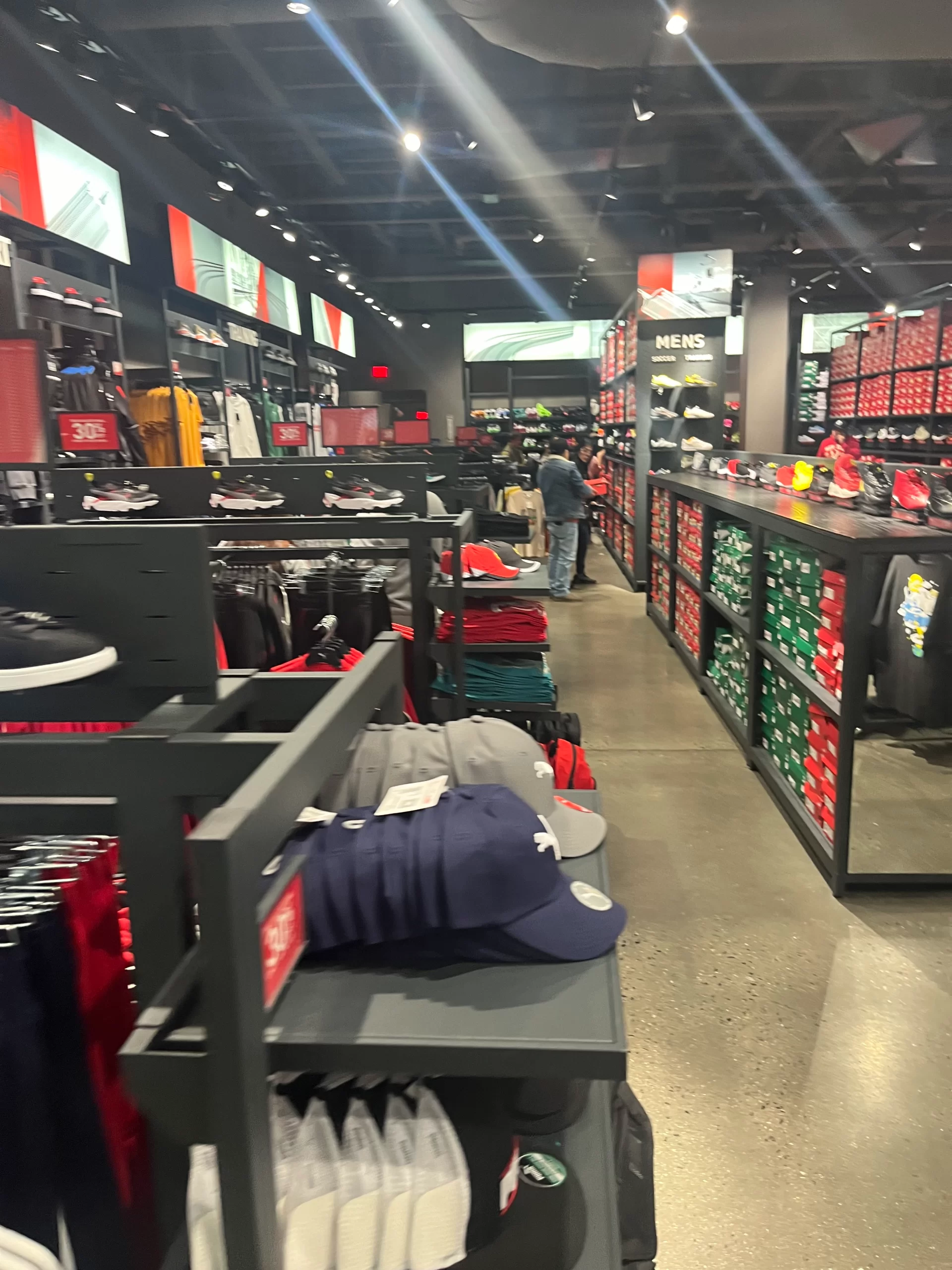
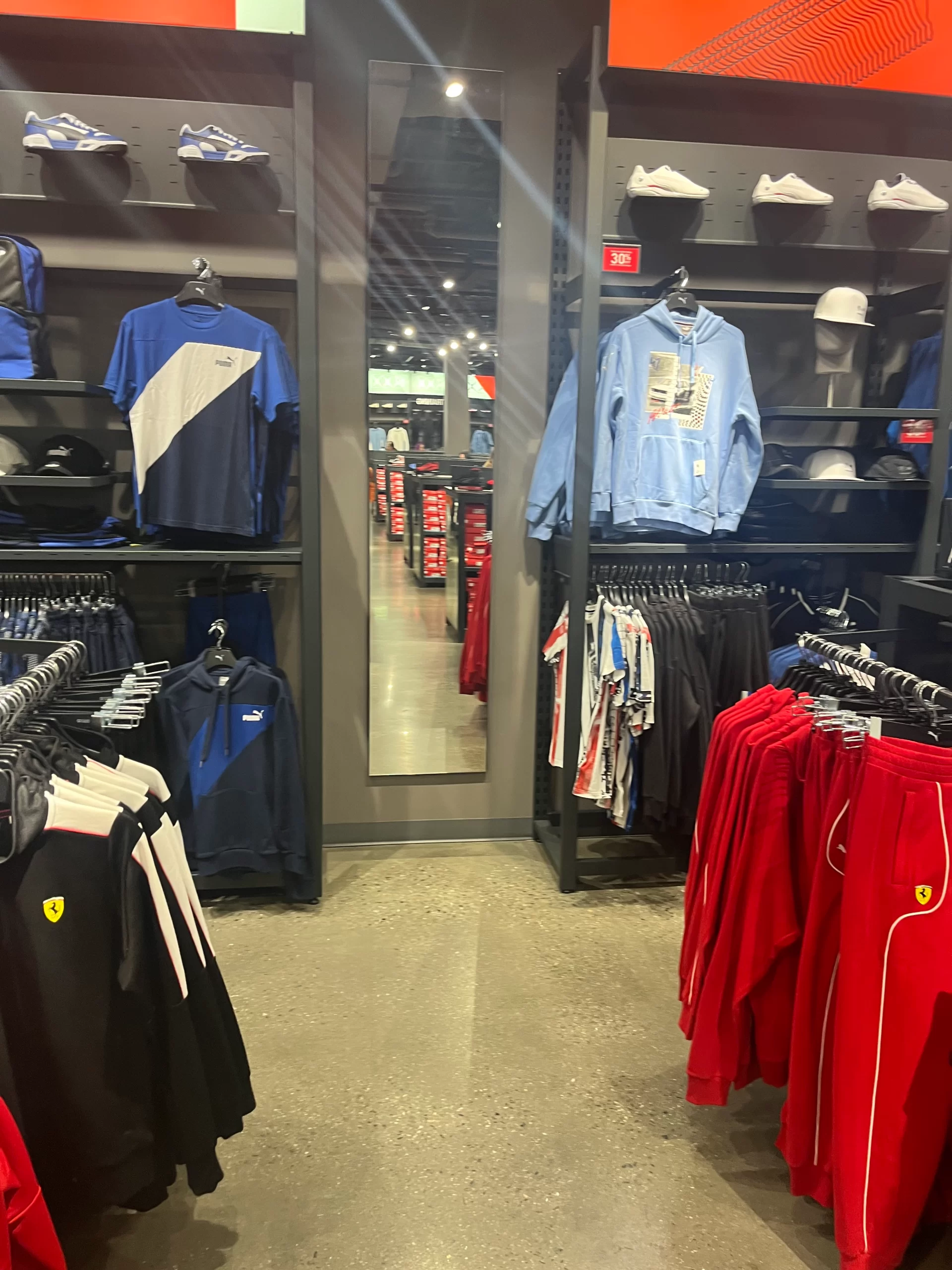
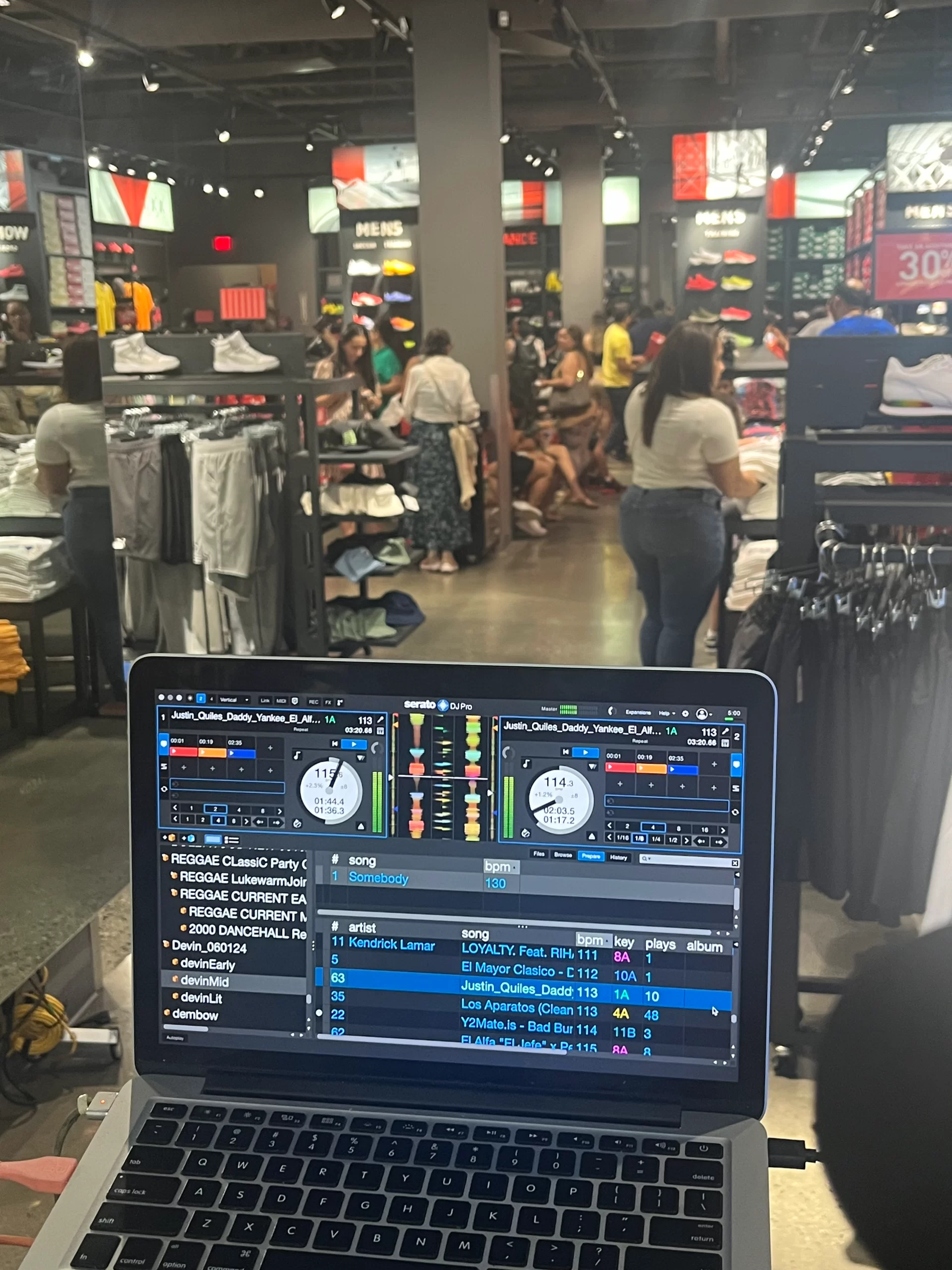
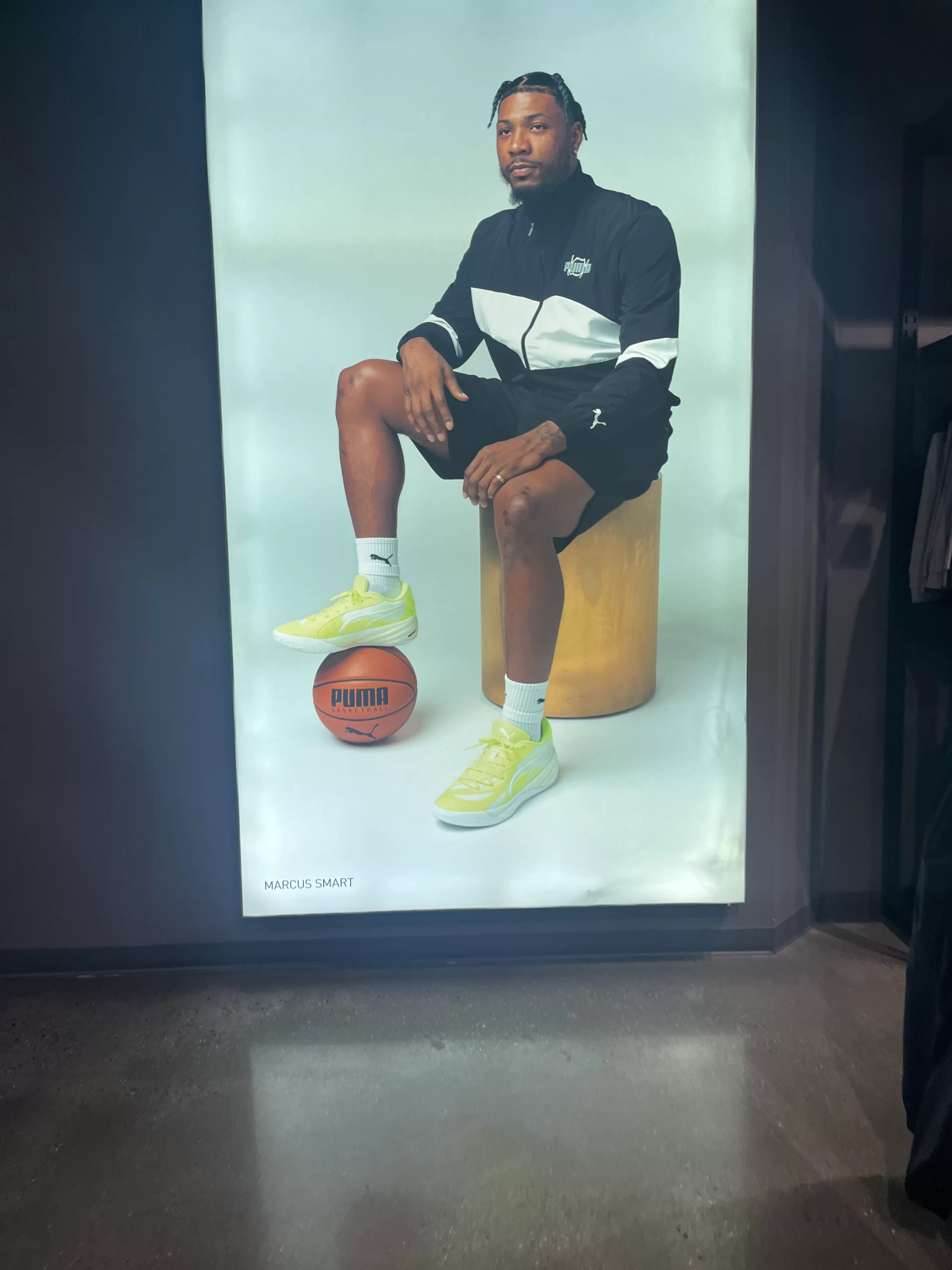
The Outcome
Seventy thousand dollars in sales in three hours. Not because more people saw the store. Because the people who came in stayed long enough to browse and buy. Dwell time is the metric that quietly moves money at retail. Impressions are the metric people put in slide decks.
Why It Worked
Retail activations at scale live and die on what happens after someone walks through the door. Foot traffic is a metric. Sales conversion is the real metric. The operator on the floor is either extending the amount of time a customer spends browsing merchandise or shortening it. Music selection paced to the shopping experience keeps customers in the store. Wrong pacing pushes them back to the parking lot.
PUMA measured the activation the right way. Not by how many people walked past. By how long they stayed. And by what they bought while they were there. Seventy thousand dollars in three hours is what happens when the operator holds the room for a reason.
The Planning Behind the Activation
A retail activation lives or dies in the two weeks before it happens, not the three hours it runs. Before we ever touched a microphone for the PUMA activation, we were on calls with the brand team and the retail marketing lead walking through floor plans, foot traffic patterns, and what “success” actually meant to them. Dwell time was the metric that mattered. Not likes, not impressions, not a vanity headcount at the door. How long a shopper stayed in the activation zone, and what they did while they were there.
That planning phase covered three things every time: the run of show minute by minute, the announce cadence tied to product drops and giveaways, and a backup plan for the moments retail floors always throw at you, a fire alarm test, a delivery truck blocking the loading dock, a product shipment running late. None of that is visible to a shopper walking the floor. All of it is why the activation felt seamless when they got there.
Questions the Brand Team Asked Before Booking
PUMA’s retail marketing team had run activations before, some good, some forgettable. The questions they asked us before signing off were sharp, and they’re the same questions we would want answered if we were sitting in their seat.
Can you hold a retail floor without turning it into a concert? Retail activation is a different discipline than a stage show. The goal is to slow shoppers down and pull them into a zone, not to create a wall of sound that pushes people out of the store. We walked them through how the announce cadence, music selection, and mic presence are calibrated for a retail environment specifically, not ported over from a nightclub or a conference stage.
What happens if foot traffic is slow for the first hour? Retail activations don’t always start hot. We explained the ramp strategy, how the energy and announce frequency build as traffic builds, instead of front loading everything into the first fifteen minutes and having nothing left for hour two.
How do you measure whether it worked? This was the question that mattered most to them, and it’s the one most vendors can’t answer. We don’t show up with a generic “great event” recap. We track dwell time, engagement moments, and product interaction against the goals we set in planning, and we report back on what actually happened versus what we predicted.
How This Differs From a Standard Retail Event
A lot of retail activation vendors treat the day as a booth with a speaker attached. The PUMA program was built differently from the ground up. Every element, the music, the announce timing, the giveaway drops, was sequenced to extend dwell time rather than just fill space with noise. That distinction is the entire reason the numbers came in the way they did.
The difference shows up in three places. First, the announce cadence was tied to specific product moments instead of running on a generic loop, so shoppers heard something relevant to what was in front of them, not a canned script. Second, the energy curve was mapped to expected traffic waves throughout the three hour window instead of staying flat. Third, we worked the floor, not just the booth, reading which shoppers were engaged and which were drifting, and adjusting in real time rather than running a fixed set.
How We Measured Success
Before the activation, PUMA and we agreed on what we’d actually be looking at afterward. Dwell time was the headline metric, how long shoppers stayed inside the activation zone compared to typical floor traffic. Alongside that, we tracked product interaction moments, giveaway redemption, and the revenue figure directly tied to the activation window.
Seventy thousand dollars in three hours isn’t a number we are repeating because it sounds impressive in a case study. It’s the number that came out of that measurement framework, tied directly to a floor that was held with intention rather than left to run on autopilot. That’s the standard we hold every retail activation to, whether it’s a single store or a multi market rollout.
What Booking Timeline Looked Like
PUMA’s retail team reached out roughly six weeks ahead of the activation date. That window gave us enough runway to align on the run of show, confirm the floor plan with the store’s operations team, and lock the announce script around the specific products being featured that day. For single location retail activations, four to six weeks ahead is the sweet spot, enough time to plan properly without the schedule going stale by the time the event happens.
Retail activations tend to have less flexibility on date than corporate events since they’re often tied to a product launch calendar or a specific store opening window. Booking early protects the date and gives the planning phase room to actually happen instead of getting compressed into a rushed week of scramble.
Frequently Asked Questions
Do you only work with apparel and footwear brands? No. The retail activation approach applies across categories, electronics launches, grocery openings, automotive reveals. The framework is the same: hold attention, extend dwell time, and tie the energy to what the brand is actually trying to sell that day.
Can this scale to multiple stores on the same day? Single operator activations are one store at-a-time by design, since the whole point is a host who’s actually reading the room. For multi location rollouts on the same day, we coordinate with a vetted bench of operators trained on the same run of show framework so every location gets the same standard, not a watered down version.
What’s included in the fee? Sound equipment appropriate for a retail floor, wireless mic, planning calls ahead of the date, the run of show document, and a post event recap tied to the metrics we agreed on going in.
How far in advance should a national brand book a multi market activation series? For a rollout spanning several cities, ten to twelve weeks ahead gives enough runway to lock venues, align run of show documents across markets, and vet additional operators if the schedule requires more than one host on the same day.
Scaling This Across Markets
The PUMA activation worked because it wasn’t improvised. It was a repeatable framework, planning calls, a documented run of show, a measurement plan, applied to a single retail floor. That same framework is what makes it possible to scale a program like this across multiple markets without the quality dropping off between store number one and store number twelve.
Brands that come back for a second and third activation aren’t rebooking because the first one was fun. They’re rebooking because the numbers held up against a specific measurement plan, and because the process was documented well enough to repeat it somewhere else without starting from scratch.
What Made It Into the Internal Recap
PUMA’s team got two different documents after the activation. The public facing version is the story that lives in this case study, the headline numbers, the framework, the photos. The internal recap they actually used for planning the next activation went deeper: a minute by minute breakdown of when foot traffic peaked, which announce moments correlated with a spike in product interaction, and a note on which giveaway timing worked and which one we would adjust next time.
That level of detail is what separates a vendor recap from an operator’s recap. A vendor tells you the event went well. An operator tells you exactly why it went well, in enough detail that the next activation starts from an improved playbook instead of the same blank page.
Why Retail Activations Are Worth the Investment
Foot traffic alone doesn’t move product. A shopper who walks past an activation without stopping is the same as a shopper who never saw it. The entire value of a retail activation, done right, is converting passive foot traffic into people who stop, engage, and buy. That’s what the PUMA numbers actually represent: not a crowd, but a held crowd that converted.
Brands that treat retail activation as a line item expense rather than a measured investment tend to get exactly what they pay for, a booth with music playing near it. Brands that treat it as a program with a measurement plan, the way PUMA did, get numbers they can bring back to leadership and use to justify the next one.
The same measurement discipline shows up in the LIDL US grand opening case study, where a similar framework ran across 74 store openings over seven years without losing consistency. For brand teams comparing options generally, the brand activation entertainment guide breaks down what separates a real PUMA style program from a one off booth with a speaker.
What a Well Run Retail Activation Requires
Every retail activation we run, PUMA included, is built on the same short list of non negotiables. Skip any one of these and the numbers suffer, even if the day looks fine on the surface.
A confirmed floor plan before the date. Knowing exactly where the activation zone sits relative to the entrance, the registers, and the product displays changes how the announce cadence and energy curve get built. Walking in blind on event day is how activations end up competing with store operations instead of complementing them.
A run of show tied to actual traffic patterns. Retail foot traffic isn’t flat across a three hour window. It has predictable peaks and lulls depending on the day and the store. The run of show has to be built around that shape, not a generic timeline that assumes every hour looks the same.
A single point of contact on the brand side. Activations that get bogged down in approval chains during the event lose momentum fast. PUMA had one marketing lead who could make real time calls on the floor, which is exactly why we could adjust the giveaway timing mid activation when we saw an opening.
A measurement plan agreed on before the event, not after. If you don’t decide what you’re measuring until after the activation is over, you end up justifying the day instead of proving it. Dwell time, product interaction, and revenue tied to the window were locked in during planning, which is the only reason the seventy thousand dollar figure means anything.
None of this is complicated. It’s discipline applied consistently, activation after activation, which is exactly what turns a good single event into a program a brand keeps rebooking.
PUMA’s activation is one example of a broader pattern: retail floors that get treated as a measured program instead of a one off event consistently outperform the ones that don’t. If you’re evaluating a retail activation partner, ask for the measurement plan before you ask about the playlist. That question alone tends to separate operators who run a program from vendors who run a booth.
That documentation habit, run of show, measurement plan, internal recap, is what turns a single strong activation into a program a national brand can defend to its own leadership year after year.
That’s the throughline across the entire PUMA partnership: a measurement first approach that turned a single retail floor into a number PUMA’s own leadership could stand behind.
PUMA’s retail marketing team has since referenced this activation internally as the benchmark for what a well run PUMA floor activation should look like.
PUMA continues to book this activation format for new store locations, a direct result of the numbers this first PUMA program delivered.
Running a retail activation, brand launch, or in store engagement program?
Dwell time programming. Brand forward music selection. Live microphone hosting. Operator standard that converts foot traffic into sales.
Request a Discovery Call