High stakes events are not failing because the budget is wrong. They are failing because the execution layer is missing. Corporate teams, brand marketers, and event planners keep pouring resources into stages, screens, and lighting rigs while ignoring the one variable that decides whether the audience actually feels something in the room. That variable is real time execution, and it is why most events walk out of the room without changing anyone.
This post breaks down the five real reasons your events are not delivering results, what execution looks like when it goes right, and the operator standards to look for before you sign the next contract. If your last summit, kickoff, gala, or brand activation felt safe but forgettable, this is the audit you need.
What High Stakes Events Actually Demand
These events are corporate programs where the room cannot afford a miss. Leadership offsites. Sales kickoffs. Brand activations for enterprise clients. Investor summits. Awards nights. Product launches. Executive dinners. Company wide celebrations. In every one of those formats, the audience is watching, the brand is on the line, and the margin for error is close to zero.
Most teams treat events like scaled up parties. They are not. These events require program awareness, real time adjustments, and audience control that a wedding vendor or generic party team is not built for. If you need proof, look at any executive private corporate function where energy has to hold across three hours of controlled conversation. That room requires a completely different operator than a Saturday reception.
Reason 1: The Timeline Is Treated Like a Contract
Most events run off a rigid run of show that gets locked in at 2pm and executed no matter what happens in the room at 8pm. The audience shifted twenty minutes in. The keynote lost them by minute four. The energy peaked early. None of that matters, because the timeline says stay the course.
That is how events become polished failures. The lighting looked great. The speakers hit their marks. The AV crew ran clean. And still, nobody remembers a thing on Monday.
Fixing it starts with a mindset shift. The run of show is a starting point, not a final answer. It should account for the moments when the room dictates a change, and it should name the operator who has authority to make that change without a committee call.
What This Looks Like When the Timeline Wins
Picture a leadership offsite where the afternoon breakout runs long by fifteen minutes. The closing keynote is locked for 4pm sharp because that is what the timeline says for most high stakes events. The speaker walks on to a room still shuffling back from breakouts, half distracted, phones still out from the session that just ended.
The keynote lands flat, not because the content was weak, but because the room was never given the thirty seconds it needed to reset. That fifteen minute overage was recoverable. A timeline treated like scripture is not. They fail in exactly these gaps, the ones nobody planned for because the plan was never supposed to bend.
Reason 2: Nobody Owns Real Time Adjustments

Every event has one moment where the room needs to shift. Cutting a speaker short. Holding a moment thirty seconds longer than planned. Killing a video package that would flatten the energy. Moving the headline segment up by ten minutes because the crowd is peaking early.
Whose call is that? If your event team cannot answer that question with one name, these events will keep underdelivering. Real time authority has to sit with someone in the room, not a committee on Slack, and not the client who is trying to enjoy the moment.
The right operator has clearance to make the call, coordination with AV and program leads, and the instinct to read the room. Without that authority, every real time decision defaults to the timeline, and the timeline never wins a peaking room.
Reason 3: Format Mismatches Kill the Energy
A conference is not a brand activation. A brand activation is not a gala. A gala is not a company celebration. Each format has its own pacing, its own crowd behavior, and its own peak moment. The music that works at a corporate conference is completely wrong for a brand activation. The transitions that hold a gala together fall apart at a company celebration.
When teams treat events the same across formats, the room feels off and nobody can explain why. The decor was great. The food was solid. The talent was strong. And still, nobody talked about it Monday morning.
Match the format to the pacing. That is the difference between events that convert into brand loyalty and events that just happened to go okay.
Reason 4: AV and Program Are Not Aligned
Programs like these die in the seams between production and program. The AV crew is running lights. The producer is watching stage. The client is watching the clock. Nobody is watching the audience. That is a coordination failure, not a talent failure, and it kills more events than budget shortfalls ever will.
When AV and program are tightly aligned, transitions look effortless. Music beds fade under keynote intros. Lighting shifts on the peak. Video packages hit at the right emotional register. When they are not aligned, everything feels a half beat off, and the audience feels the friction even if they cannot name it.
High stakes events need a partner who runs the seams, not just the segments. That partner talks to AV before the room opens, holds tight communication throughout the program, and takes ownership of every transition point.
Reason 5: Nobody Is Reading the Room
The room tells you everything if you know how to read it. Shoulders relaxed means you are pacing well. Phones up means the moment is landing. Phones down and scrolling means you lost them four minutes ago. A quiet drink line means people are locked in. A loud bathroom line means the program lost the room.
Most event teams are watching the stage. The operators who deliver are watching the audience. That single shift changes everything about what actually happens in the room and whether the event lands.
What Reading the Room Looks Like in Practice
Reading the room is not vibes. It is a repeatable practice. The operator scans the audience every ninety seconds. Tracks energy across sections. Watches how quickly people move between conversations. Notices when laughter fades or when a table stops making eye contact. That data drives the next micro decision.
What This Looks Like at Real Events
These are programs we ran where the plan had to hold, and where one person owned the room.
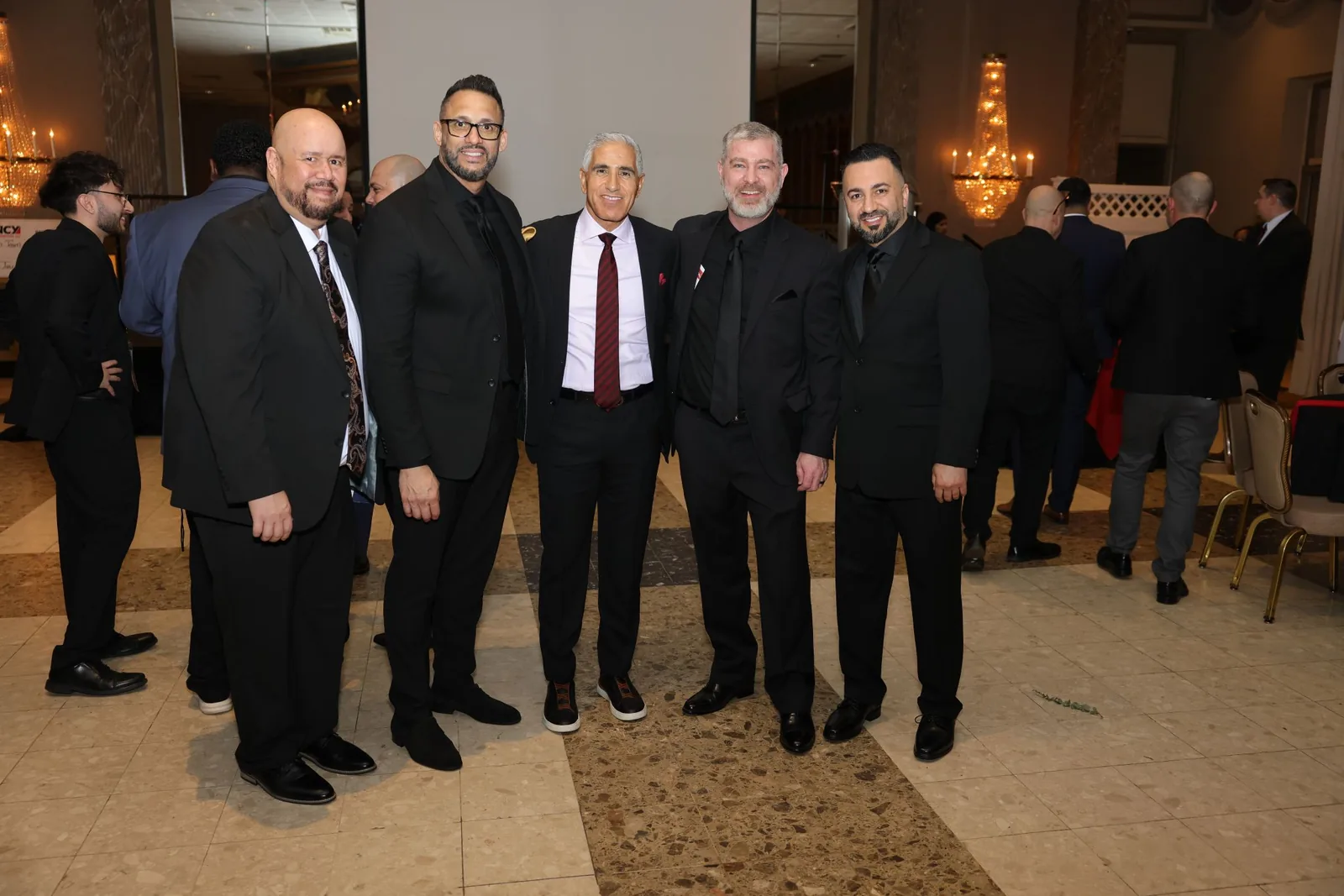
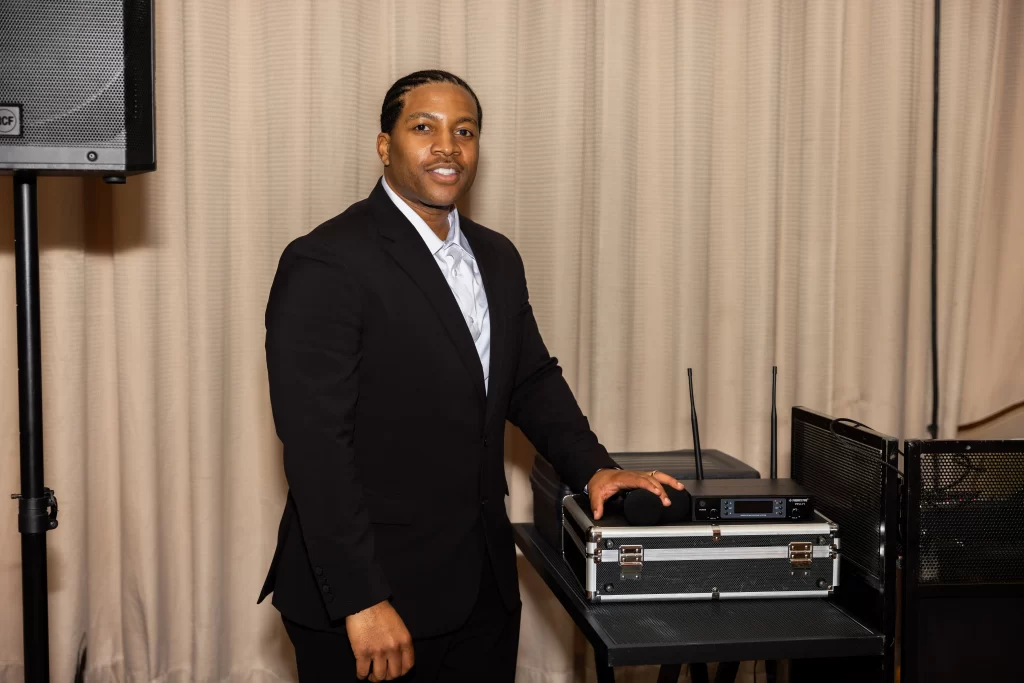
- RMS Dream Team Member Gala, March 22, 2026, Martin’s Crosswinds, Greenbelt, Maryland: about 500 attendees, with DJ Reese working as both host and music operator, so one person owned every transition between recognition moments, dinner, and dancing. Case study
- Alliance for Science East Coast Conference, Marriott Newark Airport, April 29, 2026: the AV team’s wireless microphone failed mid session. Our backup microphone was already live on our own mixer and in the speaker’s hand within about 8 seconds, and the program stayed on schedule. Case study
- Lidl US grand opening, Northeast Philadelphia, December 2, 2020: outdoors in winter under pandemic rules, with hundreds of people waiting. The ribbon cutting still landed on time. What 74 openings taught us about crowd timing
- 9/11 Day meal pack at the Intrepid, September 8 to 11, 2026: four days, thousands of volunteers per shift, and every shift beat its goal count. Case study
- Saquon Barkley’s Hope to Dream, The Phield House, Philadelphia, November 2025: DJ and emcee for a surprise with Ashley and The Salvation Army, where fifty children received new beds, as covered by NBC Philadelphia and 6abc. Case study
- Great Wolf Lodge, Perryville, Maryland, New Year’s Eve 2023, 2024, and 2025: three consecutive New Year’s Eve parties, plus a pre opening party for pack members in June 2023. Company celebrations
The pattern is the same every time: the room does not feel the problem because the operator already had the second option running. That is what we mean by audience engagement under pressure. See the corporate event emcee hub.
“We had DJ Reese at our Dream Team Member Gala, and it truly made the night unforgettable as we came together to celebrate our team at RMS. The music, sound, and energy were outstanding.”
Wazhma Raufyar, RMS Team Gala, Google Review
“DJ Reese made our New Year’s Eve Party spectacular at Great Wolf Lodge Perryville. He was flexible, communicative, and so easy to work with. His song choices were perfect for our audience and he kept the party going all night.”
Yellin Studio, Great Wolf Lodge, Google Review
How to Brief Your Event Partner
The best briefs for events cover four things. The audience profile with real detail on how they behave in rooms, not just demographics. The three moments that absolutely have to land, and the three that can move or shorten if the room dictates. The exact tone the brand wants attendees to feel walking out. And the escalation path if a real time call needs client approval.
If your brief is a run of show doc and a Spotify link, you have not briefed a partner. You have handed a vendor a to do list. The difference between those two conversations shows up in every micro decision that gets made once the doors open.
What to Include in the Brief
Include past event feedback the client remembers, both good and bad. Include the political dynamics the operator needs to know about. Include the moments where leadership will be watching most closely. Include the venue quirks that could affect audio, sightlines, or crowd flow. Every one of those inputs sharpens the real time decisions that happen once the room is live.
Common Myths About High Stakes Events
Myth one is that bigger production means better results. It does not. Events at this level with lean production and sharp execution tend to land better than bloated events with mediocre real time judgment.
Myth two is that the timeline should be followed. It should be used, not followed. The best these events treat the run of show as a starting draft that gets updated in real time based on what the audience is doing.
Myth three is that a great venue saves a mediocre program. It does not. A great venue with a mediocre program is a beautiful room where nobody remembers the moment. Venues do not save these events. Execution does.
Myth four is that a DJ and an operator are the same hire. They are not. A DJ plays music. An operator reads a room, owns real time calls, and takes responsibility for how the audience feels walking out the door. Events booked through a music only vendor are missing the entire execution layer this post is about. Every events contract should specify who owns that call, not just who owns the playlist.
Budget Versus Execution: Where the ROI Actually Sits
Most corporate teams overspend on production and underspend on execution. The LED wall gets twice the budget it needs. The person who reads the room and owns real time calls gets a fraction of what they should. That imbalance is why so many high stakes events look great in the reel and feel forgettable in the room.
Rebalance the budget. Cut ten percent off production. Add it to the execution layer. Hire an operator who can actually run the room instead of a vendor who can fill it. That single reallocation is the highest ROI move most teams can make before the next high pressure event.
Put someone in the room whose only job is reading the room and calling audibles. That role costs far less than most production line items, and it decides whether the plan is able to bend when the room shifts.
How to Fix Events That Are Not Delivering
Fixing these events is not about adding more budget. It is about installing an execution layer that can read the room, own real time calls, and hold the energy from arrival to close. That layer sits between the production team and the client, and it takes accountability for the audience experience.
The teams that get this right treat the run of show as a starting point, put one operator in charge of real time adjustments, match format to pacing, tighten the seams between AV and program, and train someone to watch the audience instead of the stage. That is the shift from a polished event nobody remembers to a high pressure event that actually delivers.
The Operator Standard
Before you sign the next contract, ask three questions. Who has authority to make real time adjustments? What is the communication protocol between production and program? And how does the team read the audience during the event? If the answers are vague, you are not hiring an event partner. You are hiring a vendor who will show up and hope it goes well.
Execution Across Event Formats
The same execution standard applies whether you are running a gala, a brand activation, a sales kickoff, or an executive private function. The formats differ. The execution principles do not. Read the room. Own real time calls. Match format to pacing. Tighten AV and program alignment. Watch the audience, not the stage.
Those five principles hold across every event format that matters to a corporate brand. Get them right and your events start delivering the ROI you have been paying for all along.
Format Specific Execution Notes
A sales kickoff needs energy that builds toward a single peak moment, usually the new fiscal year reveal or the top performer recognition. A gala needs restraint early and release late, since the audience is dressed for a different kind of night and the room reads restraint as respect. A brand activation lives or dies on the first ninety seconds, because foot traffic events do not get a second chance at a first impression. An executive private function needs almost no visible execution at all, just quiet, precise control that never calls attention to itself.
Across every one of those formats, they share the same execution discipline. They just apply it differently, and that distinction is what separates high stakes events that land from events that merely happen.
What to Look For in an Event Partner
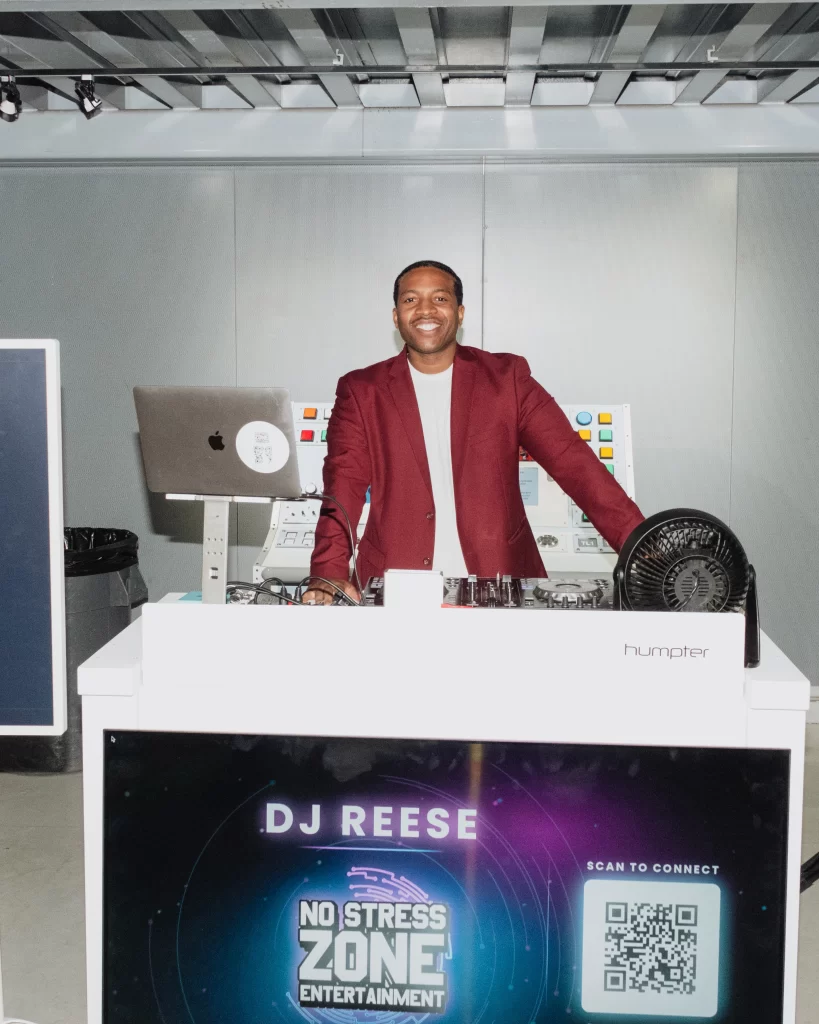
Look for pre event scripting, real time authority, executive audience experience, and clear coordination with AV and program teams. Look for case studies from corporate clients where the operator was part of the audience experience, not just background music. Look for language that talks about audience reads, format specific pacing, and real time judgment.
That is what separates a partner who can protect your events from a vendor who will collect a check and disappear.
DJ, Emcee, or Both
Who owns the transitions decides how a program feels. Here is how the common setups compare. For the full breakdown, see emcee vs DJ for corporate events.
| Setup | Music | Announcements and program | Who owns the transitions |
|---|---|---|---|
| Music only DJ vendor | Yes | Usually not included | Split between AV, producer, and client |
| Emcee only | No | Yes | Split with whoever runs the music |
| One operator who hosts and runs the music | Yes | Yes | One person |
How to Book
Send your date, venue, headcount, and run of show through the custom event request form. We scope the operator role against your program, whether that is an awards night, a conference, or a company party. You can also review gala and awards services and conference and summit services first.
Frequently Asked Questions
What counts as a ‘high stakes’ corporate event?
Programs where the room cannot afford a miss, leadership offsites, sales kickoffs, brand activations for enterprise clients, investor summits, awards nights, product launches, executive dinners, and company wide celebrations. The audience is watching, the brand is on the line, and the margin for error is close to zero.
Why do high stakes events often fail to deliver results even when they feel safe?
Most teams treat them like scaled up parties rather than programs. Programs like these require program awareness, real time adjustments, and audience control that a generic party format doesn’t provide.
The Bottom Line
Events at this level do not need bigger stages. They need real time execution. If your last event felt safe but forgettable, the fix is not in the budget. It is in who owns the room.
Want an event partner who runs the room instead of reading the timeline? Request a custom event experience and we will scope your next high pressure event together.
Related Reading
- The Invisible Work Behind Every Seamless Corporate Event
- How Experiential Marketing Brings People Together
- Sales Kickoff Theme Template: 7 Proven Frameworks That Work
- Creative Sales Meeting Themes: 9 Growth Focused Ideas
- RMS Dream Team Member Gala case study
- Saquon Barkley’s Hope to Dream case study
- Lidl US grand openings case study