We are a corporate event DJ and emcee company, not lawyers, compliance officers or regulatory advisors. Nothing on this page is legal or compliance advice, and you should never take the actual rules from a vendor website. Your compliance team owns those and they are the only correct source.
“We hired DJ Reese to DJ our Awards event in NYC, and he truly was the best corporate DJ we’ve ever worked with. Professional, responsive, easy to communicate with. He helped take our event up a notch, our clients loved the songs he chose for their walk up music.”
, Maureen Lowe, verified client review
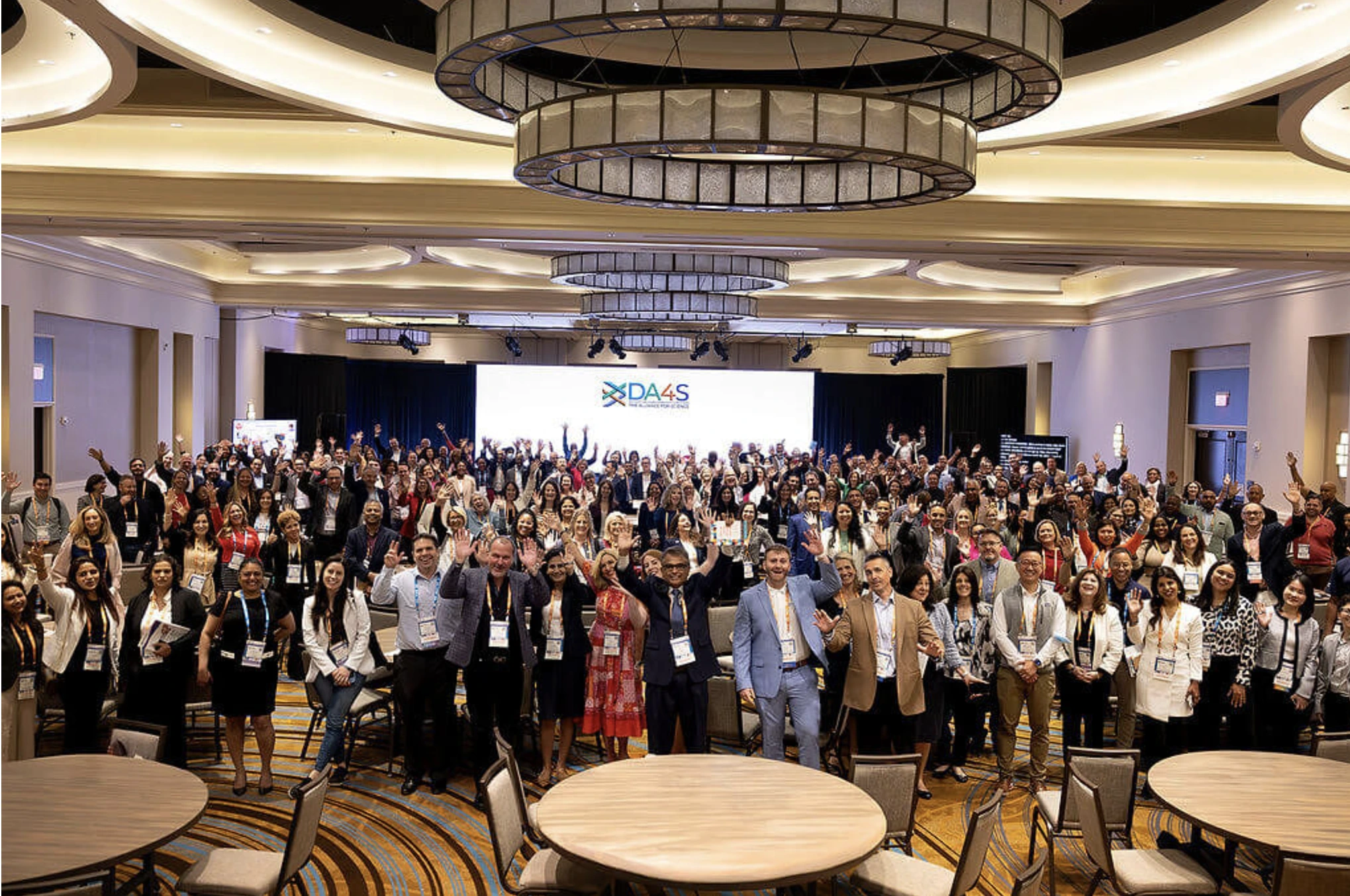
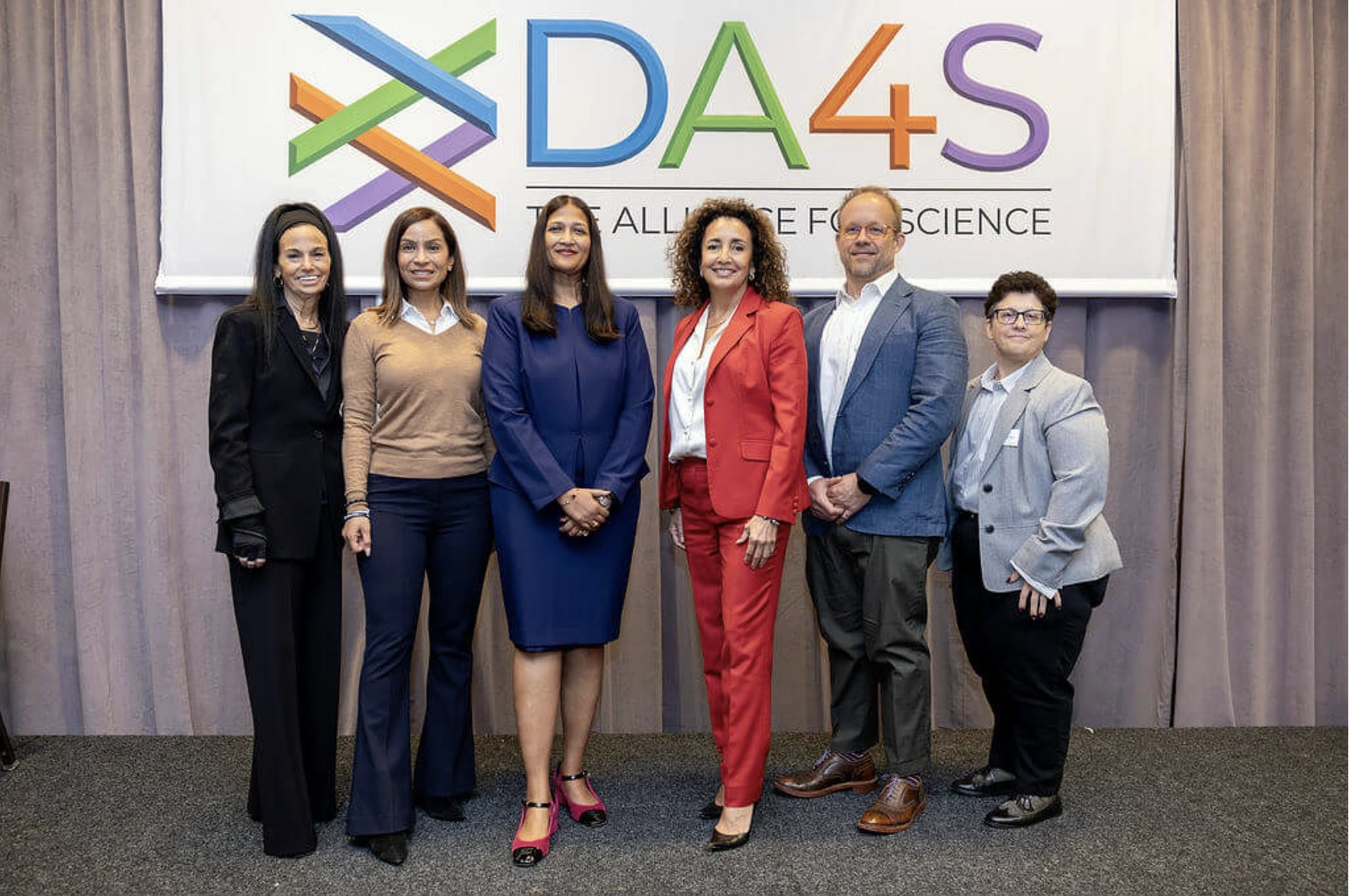
Real Proof: DA4S (Diversity Alliance for Science) East Coast Conference
DA4S’s Annual East Coast Conference is a real, recurring pharma and life sciences industry event, the kind of regulated, compliance conscious room this page is written for. No Stress Zone Entertainment has hosted it two years running.
We are a corporate event DJ and emcee company, not lawyers, compliance officers or regulatory advisors. Nothing on this page is legal or compliance advice, and you should never take the actual rules from a vendor website. Your compliance team owns those and they are the only correct source.
What we can tell you, because we live it, is the vendor side of pharma event planning compliance. Pharmaceutical and life sciences events fail compliance in predictable places, and a surprising number of them involve the person holding the microphone. This page is about how to stop your entertainment vendor from creating a problem for you.
The microphone is a compliance surface and nobody treats it that way
Enormous care goes into slide decks, leave behinds and speaker contracts. Then somebody hands a microphone to a vendor who was briefed on nothing, and that person improvises in front of a room that may contain healthcare professionals.
Everything said from a stage at your event is said by your organization. A host who ad libs about a product, characterizes data, jokes about a competitor or announces something that was never cleared has just put words into your event on your behalf. That is the risk, and it is entirely preventable by briefing the vendor.
The five questions to ask any entertainment vendor
- Will you work from approved copy without arguing about it. A vendor who wants creative latitude with the microphone at a pharma event is the wrong vendor. The correct answer is yes, send it and we will deliver it as written.
- Do you understand the difference between the accredited or scientific portions of the program and the industry supported portions. A host who blurs those, even warmly, creates a problem for the organization.
- What will you do if a prize, raffle or giveaway has not been cleared. The answer we give is that we cut the segment rather than improvise around it.
- Who verifies name pronunciation, credentials and affiliations, and when. Getting a physician credential wrong is not a compliance breach but it destroys your credibility with the room in the first minute.
- Will you sign our confidentiality agreement and our standard terms. Send them at quoting rather than at contracting.
Where the entertainment scope actually touches the rules
We are naming the surfaces, not the rules. Your compliance lead tells you what the rules are. What we can tell you, from having worked enough pharma event planning compliance briefs, is which parts of a normal corporate event program tend to surprise first time planners: the stage announcements, the meal program, the line between a scientific session and a promotional one, and anything that gets recorded. Four surfaces, and every one of them is something a DJ or emcee touches directly.
Anything of value announced from a stage
Raffles, prize draws, giveaways and gifts get announced by the host. If there is any reporting obligation attached to giving something to a healthcare professional, that obligation is triggered by a segment we run. So our rule is simple and it should be in your brief: nothing of value is announced unless your organization has confirmed it in advance, in writing. If we cannot get that confirmation, we cut it.
Meals, receptions and the social program
The hospitality portion of a pharma event is where value transfer questions live. That is your call entirely. What it means for us is that the evening should be programmed for conversation rather than spectacle, because a restrained reception rarely creates a question and a lavish one sometimes does.
The line between promotional and scientific content
A mixed agenda needs the boundary to be visible in the run of show rather than smoothed over. The instinct of a good host is to make transitions seamless. At a pharma meeting that instinct is wrong, and the transition between a scientific session and an industry supported one should be stated plainly.
Recording and streaming
If any part of the event is recorded, an open microphone during a break can end up in an archive that somebody later reviews. We treat the microphone as live at all times at these events and we brief anyone else using it to do the same. In practice that means no off the cuff banter between segments, no ad libbed product claims to fill dead air, and a habit of muting rather than assuming a break means the feed is down. If your event streams to a remote audience or gets recorded for internal training, we ask for that in the brief specifically, because it changes how conservative we are between segments, not just during them.
What to put in the brief you send us
- Your compliance contact, by name, and whether they approve the host script.
- Which sessions are scientific and which are industry supported.
- Whether healthcare professionals are attending, because that changes several things at once.
- Whether anything of value is being given away, and whether it has been cleared.
- The approved language, and the list of things not to say. Every organization at this level has one.
- Whether the event is recorded or streamed.
What good looks like on the day
At a life sciences summit at the Marriott Newark Airport we hosted a full day program for roughly 300 leaders and were booked back the following year. Nothing about that day was rescued by charisma. The script was approved, the boundaries were marked, every name had been checked aloud, and when a microphone failed mid program the room was moving again in about eight seconds because the spare was already live.
Compliance friendly and flat are not the same thing. A room can be warm, well paced and genuinely enjoyable while every word from the stage has been cleared. That is the job.
Questions we get
Can you advise us on the regulations
No, and you should be wary of any vendor who offers to. We work inside whatever your compliance team tells us. That is the correct relationship.
Does working from approved copy make the event boring
It has not yet. The energy in a room comes from pacing, timing, recognition and reading the floor, none of which require improvised words.
How early do you need the approved language
Two weeks, and we expect it to change. What we need early is the structure and the boundaries, not the final wording.
Next step
Send us the agenda with the session designations and your compliance contact. We will come back with the pronunciation questions, the segments that need clearance, and where the timing does not hold.
Compliance is one layer of a much broader plan. See our core event planning strategy framework for how it fits with the rest of the program.
Frequently Asked Questions
What should you plan for first with this type of event?
Enormous care goes into slide decks, leave behinds and speaker contracts. Then somebody hands a microphone to a vendor who was briefed on nothing, and that person improvises in front of a room that may contain healthcare professionals.
What’s the most common mistake to avoid?
Will you work from approved copy without arguing about it. A vendor who wants creative latitude with the microphone at a pharma event is the wrong vendor.
What actually matters most on the day?
We are naming the surfaces, not the rules. Your compliance lead tells you what the rules are.