Nobody talks about convention entertainment the way they should. Convention planners spend months on speaker booking, session scheduling, exhibitor floor layout, and registration technology. Then two weeks before the event someone asks who is handling the music and the answer is usually “the hotel has a system” or “we have a Spotify playlist going.”
That approach fails. Not catastrophically, not in a way that generates complaints or shows up in your NPS score. It fails quietly, in the space between what the convention could have been and what it actually was. The attendees who flew in from four time zones away and walked into a registration hall that felt like a waiting room did not articulate that disappointment, but they felt it.
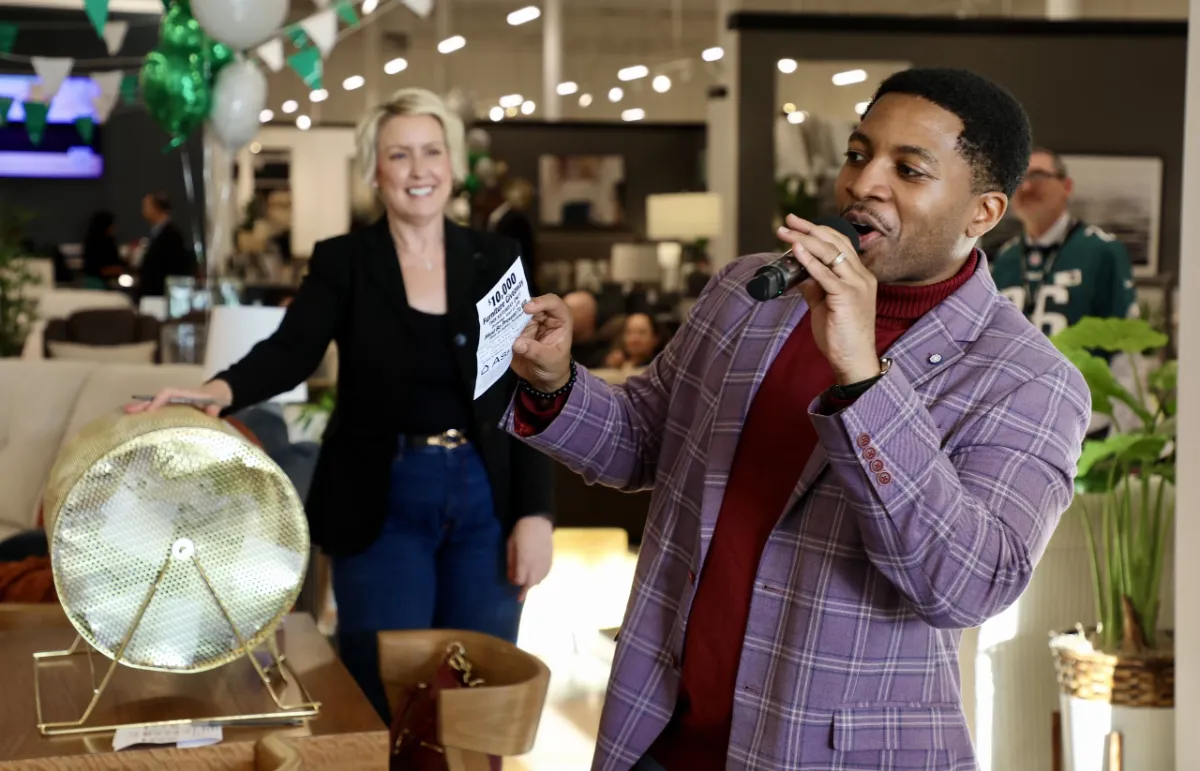
Need a host or DJ for your convention? See our convention emcee and DJ services, with case studies from 500 person general sessions.
What Convention Entertainment Is Actually Responsible For
Convention programming is responsible for the emotional temperature of the entire event. Not just the parties and the award ceremony. The entire event. The opening session that sets the tone for three days. The transition from general session to the expo floor. The closing ceremony that needs to leave attendees feeling like the trip was worth it.
These moments do not manage themselves. They require someone who understands that convention programming is not about playing music, it is about managing how a room full of people feels across multiple days, multiple formats, and multiple stages of physical and mental fatigue.
Where We Have Done This
- NEA Representative Assembly, Walter E. Washington Convention Center, Washington, DC (2016): our case study covers the all day children’s program for 300+ kids.
- Alliance for Science East Coast Conference, New Jersey (2025 and 2026): DJ and emcee for 300+ attendees. Read the case study.
- Lidl US Strategy Conference, Arlington, Virginia (2025): emcee and DJ for 500+ attendees.
- Regency Management Services sales kickoff, Maryland: walk up music for a 500 person room.
- 9/11 Day at the Intrepid, New York (September 2026): DJ all four days.
- New Jersey Gamer Con, Cherry Hill (July 2018): convention DJ for a gaming convention with tournaments and vendors.
When convention programming is done well, attendees feel like the convention is a living thing. There is energy in the room during breaks that pulls people toward the expo floor rather than toward the exit. The award ceremony has weight. The closing session feels like a finale rather than a formality. All of that is the result of intentional entertainment planning, not ambient music and luck.
Large Scale Events: The Complexity Factor
Convention programming at scale, events with 500, 1,000, or 5,000 attendees, introduces complexity that does not exist at smaller events. Multiple session rooms running simultaneously. Multiple stages on the expo floor. A general session ballroom that needs to accommodate keynotes, panels, award presentations, and entertainment transitions back to back throughout the day.
Managing convention entertainment across that kind of complexity requires more than a talented DJ. It requires someone with a system. A pre event coordination process that maps every entertainment moment across every space for every day of the convention. A day of communication protocol with the AV team, the program producer, and the convention floor manager. A real time adaptation capability that allows for adjustments when, not if, the program runs differently than planned.
The organizations that produce the best conventions are the ones that treat entertainment as a production element, not an amenity. Convention programming at that level is a strategic investment in the attendee experience and the overall return on the convention.
Association Annual Events
Association annual conventions carry a specific weight that most other events do not. For many members, the annual convention is the most significant professional event of their year. It is where they see colleagues they only see once a year, where they receive recognition for work done over the past twelve months, where they reconnect with the purpose of their profession.
Convention programming at an association annual event has to honor that emotional context. The music during registration on day one is not just background. It is the moment when members walk through the door and feel whether this year is going to deliver. The award ceremony entertainment sets the tone for recognition moments that matter to the people receiving them and the people watching.
Association convention planners who take entertainment seriously, who invest in a convention programming partner who understands their audience and their culture, produce events that members talk about and return to. That word of mouth is one of the most valuable things an association can generate, and convention programming plays a real role in creating it.
Technology Conventions and the Unique Entertainment Challenge
Technology conventions have their own specific entertainment dynamic. The audience is typically sophisticated, skeptical of anything that feels produced or inauthentic, and highly attuned to production quality. A technology convention audience will notice immediately if the entertainment feels generic or off brand for the community.
Great convention entertainment at a tech event reads the specific culture of that community. Developer conferences have a different energy profile from enterprise software user conferences, which are different from hardware product launches. Convention programming that works at a gaming industry expo is completely different from what works at a cybersecurity conference. The specificity matters because the audience is paying attention.
Multi Day Events: Managing Energy Across the Arc
The multi day convention is the most demanding format in the event industry for entertainment management. Day one and day three of the same convention require different energy strategies because the audience is in a fundamentally different state.
Day one of a convention is about arrival, momentum, and orientation. The energy should build from registration through the opening general session and carry into the first day evening event. Convention programming on day one is setting a standard that the rest of the event has to maintain.
Day two is about sustaining momentum in the face of accumulating fatigue. The sessions are longer in the rearview mirror, the novelty has worn off, and the temptation to check out mentally is highest. Convention programming on day two has to work harder to maintain engagement, which means being more actively responsive to what is happening in the room.
Day three is about creating a sense of finale. The convention is ending and attendees need to leave feeling like it mattered. Convention programming on the final day plays a specific role in building toward that feeling, a closing session that lands, an awards ceremony that honors the community, a final networking moment that feels like a proper goodbye until next year.
What Separates a Partner From a Vendor
A vendor shows up, provides a contracted service, and leaves. A convention entertainment partner is embedded in the planning process from early on, contributes strategic thinking about the entertainment arc, coordinates with every production team member before the event, executes with precision on site, and checks in after the event to debrief on what worked and what to improve next year.
The difference in the attendee experience between these two approaches is enormous, and convention planners who have experienced both know it immediately. If your current convention programming provider operates like a vendor, you are leaving a significant amount of event quality on the table.
Frequently Asked Questions
How do you prevent dead air at a convention?
We prepare music cues in advance, stay attentive to the run of show and keep in communication with the show caller and AV team. We use appropriate background or filler music during transitions, brief MC bridges when needed and coordinated introductions to keep the program moving between speakers, presentations and sessions. If the schedule changes unexpectedly, We stay flexible and confirm the next step with the show caller before proceeding.
How far in advance should we book entertainment for a convention?
Our booking guidance is simple. Conventions of 500 or more people: book 6 to 12 months ahead. Conferences: 4 to 6 months. Single evening corporate events: 60 to 90 days. Large conventions require significant coordination between entertainment and every other production element, and starting early lets you build entertainment into the overall event design rather than bolting it on at the end.
Waiting until the last minute on any size convention limits your options to whoever happens to be available that weekend, which is rarely the outcome an event planner wants.
Should the same DJ work every day of a convention?
Yes, for consistency of experience and programming continuity. The DJ managing day one has context that is valuable for day two and day three. They know the audience, they know the AV team, they know which moments worked and which needed adjustment. Convention programming managed by a consistent provider across all days produces a more cohesive and intentional experience than rotating vendors.
Can one DJ manage an entire convention including multiple spaces?
For conventions with multiple simultaneous session rooms, you typically need either a primary DJ for the main general session space with programmed music for breakout rooms, or a team. At No Stress Zone Entertainment, we scope this based on the specific convention layout and program schedule. The goal is always to ensure every space that matters to the attendee experience has appropriate entertainment coverage.
For convention programming services that cover the full scope of your event, from opening general session through the closing ceremony, visit our conference and convention page or contact No Stress Zone Entertainment to discuss your convention.
The Business Case for Investing in Entertainment
Every line item in a convention budget gets scrutinized. Entertainment is almost always the first category that budget committees want to cut when costs run over. The argument is always the same: entertainment is nice to have, not need to have. The content is what people came for. The speakers are the investment.
This argument sounds logical and it is wrong. Here is why. Convention registration is expensive for attendees. Travel, hotel, registration fees, time out of the office, the total cost of attending a major convention often runs well over two thousand dollars per person when you account for all of it. Attendees make the decision to return next year based on whether the overall experience was worth that investment. Not just the content. The overall experience.
Convention programming is one of the most visible and felt components of that overall experience. When the entertainment is good, attendees rarely notice it consciously, they just feel like the event was alive and well organized. When the entertainment is bad or absent, they notice immediately. The registration hall feels dead. The breaks feel long and awkward. The evening event feels like a company dinner rather than a celebration. These impressions accumulate across three days and they shape the return decision.
Organizations that treat convention entertainment as a strategic investment in attendee experience and retention see the return in their registration numbers year over year. Those that treat it as a decorative add on see a slow drift in their renewal rate that they often attribute to content or programming rather than to the experience of being in the room.
Planning the Full Entertainment Arc
The best convention programming is planned as a complete arc across the full event, not as individual moments booked separately. The opening session energy sets a standard. Every subsequent entertainment moment either builds on that standard or fails to meet it. When the convention programming arc is planned as a unified strategy, the event feels cohesive and intentional. When it is assembled from separate vendor bookings, it feels disjointed.
Building the full entertainment arc starts with a detailed review of the convention program schedule. Every general session. Every keynote and panel transition. Every networking break. Every evening event. Every award moment. The entertainment plan maps each of these moments and specifies exactly what musical environment is needed, how it transitions from the moment before and to the moment after, and what the energy goal is for each phase.
This level of planning sounds like more work than most convention organizers want to do in the entertainment category. It is. But the payoff is an event where every moment feels intentional, where the room never goes flat unexpectedly because someone planned for what the room needs in every phase and made sure the entertainment was ready to deliver it.
Working With Your AV Team
Convention programming and AV production are deeply intertwined at every serious event. The DJ needs to know the speaker order so they can be ready with walk on music for every presenter. The AV team needs to know the DJ cuing system so transitions happen cleanly without feedback or dead air. The production director needs a clear communication line to the DJ so they can signal when to hold, when to build, and when to cut.
This coordination is built in the planning phase, not improvised on event day. A professional convention programming provider schedules a technical production call with the AV technical director before the event. They get the full run of show with timecodes. They confirm the communication protocol, whether it is in ear monitoring, a stage manager headset line, or a visible cue system. They show up to load in early enough to run through all the critical transition moments with the AV team before any attendee walks in.
The conventions that feel tightly produced from an audience perspective are almost always the ones where this behind the scenes coordination was done thoroughly. The ones that feel loose and unprofessional are the ones where entertainment and AV were left to figure it out on the day.
The Expo Floor
The expo floor is one of the most overlooked entertainment opportunities at a convention. Most organizations run generic background music through the expo audio system and leave exhibitors to create their own noise. The result is a cacophony of competing sounds, none of which serve the attendee experience or the exhibitor goals.
Convention entertainment on the expo floor done well creates a consistent, energizing atmosphere that keeps attendees moving through the space rather than drifting toward the exit. The music should be present enough to fill the space but low enough that conversations at booths can happen at normal volume. The tempo should keep the energy up across the full hours of expo programming. This is a specific programming challenge that requires real thought about the space, the ceiling height, the attendee traffic flow, and the exhibitor mix.
For a full consultation on convention programming services that cover everything from the opening general session through the closing celebration, contact No Stress Zone Entertainment today. We work with convention organizers, association meeting planners, and corporate event teams to build entertainment strategies that serve your specific audience and your specific business goals.
For more resources on planning your event, visit the International Association of Exhibitions and Events, one of the leading organizations supporting event professionals planning corporate experiences.
Related Reading
- Executive Event Entertainment: 5 Best Options for C Suite Rooms
- Corporate Emcee for Hire: What You Get From Booking to Show Day
Vendor Coordination
Convention programming coordination requires precise vendor communication. AV team, staging, catering, and entertainment operators all need shared timing on cues, transitions, and load changes.
Assign a single point coordinator across vendor teams. That coordinator owns integration testing before doors open. Late discovery of vendor incompatibility often derails the event.
Also confirm vendor contingency plans. Backup gear on site. Substitute operators on call. Weather adjustments if outdoor components exist. Convention programming contingency depth becomes your event resilience.
According to the International Association of Exhibitions and Events, entertainment quality is now cited as a top 3 factor in convention rebooking decisions. That elevation makes convention programming execution a strategic priority.
Guides by Convention Moment
Each part of the convention gets its own guide. For booking details, see our convention emcee and DJ services.
- Opening General Session DJ: The Walk In Is the Opening
- Networking Reception DJ: Why Silence Kills the Room
- Convention Hospitality Suite DJ: Volume Is the Whole Job
- Trade show DJ and booth emcee
- Closing General Session DJ: Ending a Convention Strong
- Convention DJ Services: 5 Options for Multi Day Events
The Bottom Line
Convention entertainment is not a decoration layer. It is a strategic component of every large scale event that affects attendee engagement, sponsor renewal, and rebooking rates.
Producers who invest in convention programming strategy consistently see stronger outcomes across every measurable dimension. Producers who treat it as an afterthought watch their metrics stagnate.
For related programming context, see convention DJ services multi day guide and conference attendee engagement strategies.