Corporate Events for Employees That People Actually Want to Attend

Most employees have been to a company event they wished they hadn’t. And most corporate events for employees suffer from the same root problem: they’re planned around what’s easy to arrange, not what actually creates connection and memory.
The team outing to the escape room that wasn’t really optional. The holiday party with assigned seating and a DJ playing to an empty dance floor by 8pm. The all hands meeting dressed up with catering and called a “company celebration.”
Everyone showed up. Nobody wanted to be there.
That’s not a budget problem or an HR problem. It’s an experience design problem.
If you’re specifically wrestling with getting people to actually show up and engage rather than just RSVP and disappear, our Employee Participation in Corporate Events: How to Lift It covers the eight strategies that move the needle before you even get to entertainment.
Corporate events for employees have enormous potential. And Gallup research confirms that shared experiences are among the highest impact drivers of employee engagement and team cohesion. To build culture, reset energy, recognize people publicly, and create the kind of shared experience that holds a team together through the hard stretches of the year. Most of them underdeliver on that potential not because of poor intentions but because the event is planned around what’s easy to arrange rather than what actually creates connection and memory.
This guide covers how to think about corporate events for employees differently. And what it takes to build ones that people show up to willingly, leave genuinely energized from, and talk about for months afterward.
Table of Contents
- What Employees Actually Want From Corporate Events for Employees
- The Most Common Mistake Planning Corporate Events for Employees
- Corporate Events for Employees: Ideas That Build Culture
- How to Design Energy at Corporate Events for Employees
- Entertainment That Works for Corporate Events for Employees
- Small Details That Matter at Corporate Events for Employees
- How to Close Corporate Events for Employees Strong
- Corporate Events for Employees as an Investment in Culture

What Employees Actually Want From Corporate Events for Employees
Before designing corporate events for employees, it helps to understand what’s missing.
Most employees don’t need more time in a room with their coworkers. They have that every week. What they rarely get is time in a room that feels different. Where the dynamic shifts, where hierarchy temporarily relaxes, where they feel seen as individuals rather than headcount.
The corporate events for employees that land well share three qualities:
They feel personal. Something about the event communicates that someone thought about the people attending it. Not just the logistics. A playlist that reflects the team’s actual taste. Recognition that’s specific and genuine, not generic. A format that respects how people actually enjoy spending their social time.
They create real interaction. Not forced interaction. Real interaction. There’s a difference between an icebreaker game where everyone is visibly uncomfortable and a well designed social structure where conversation happens naturally because the environment supports it.
Something memorable happens. There’s a moment. One specific thing. That people reference when they tell someone about the event. It might be the recognition that made someone cry happy tears in front of the room. It might be the live performance that nobody expected. It might be a collective moment of laughter or surprise. Events that stick always have a moment. Events that don’t, don’t.
The Most Common Mistake Planning Corporate Events for Employees
The most common mistake in corporate events for employees is planning the logistics before defining the experience.
Most employee event planning starts with: venue, catering, date, headcount, budget. Those are necessary things. But they’re the container, not the content. And too often, once the container is arranged, the experience planning gets compressed into whatever fits inside it.
The result is an event that has all the right parts. A nice venue, good food, some form of entertainment. But no coherent experience threading them together. People attend. They eat. They socialize in the groups they already know. They leave. And on Monday, if you asked anyone what they took away from the event, they’d struggle to answer.
Start instead with the experience goal for your corporate events for employees. What do you want people to feel by the end of the night? Connected to each other? Appreciated? Genuinely celebratory? Proud of what the team has built? That goal shapes every other decision in your corporate events for employees. The format, the flow, the entertainment, the moments you build into the agenda.
Corporate Events for Employees: Ideas That Build Culture
Not every format serves the same goal, and treating an annual celebration, a team building day and an internal conference as interchangeable is where a lot of corporate events for employees go generic. Below are the three formats we get booked for most often, what each one is actually for, and where planners tend to under invest.

Annual Celebration Events
Year end and company milestone events are the highest stakes corporate events for employees most companies run. The whole team is in one room. Leadership has everyone’s attention. There’s an opportunity to create a shared memory that defines the culture. Or to check a box and send everyone home early.
The difference almost always comes down to how the event is produced, not just planned.
A year end celebration that works has a clear arc: it honors what the team accomplished, creates genuine energy and celebration, and closes with something that makes people feel the year mattered. That arc doesn’t happen by accident. It’s built into the structure of the night. In the pacing, the entertainment, the recognition moments, the musical energy that carries the room from cocktail hour through the last dance.
For corporate events for employees like company celebrations, Company Celebration and Holiday Party DJ aren’t just background music. They’re managing the emotional energy of the room all night. Building it when it needs to rise, sustaining it when it needs to hold, transitioning between the formal and the social parts of the evening in a way that feels natural instead of jarring.
Team Building Events
Corporate events for employees designed around team building work when they put people in situations that require genuine collaboration or create genuine laughter. And fail when they feel contrived.
The best formats involve a shared challenge with real stakes (even if the stakes are just bragging rights), enough novelty to create equal footing across the team, and enough ambiguity that different personality types can contribute in different ways.
Escape rooms, culinary competitions, creative production challenges, scavenger hunts through a city. Formats like these work in corporate events for employees because they produce natural conversation, shared problem solving, and moments of surprise that people remember. Generic icebreaker facilitation, forced vulnerability exercises, or “trust falls” don’t work because they feel artificial to almost everyone in the room.
The format also needs to match your team’s actual dynamics, not a generic recommendation pulled from a listicle. A team that’s mostly remote and rarely in the same room benefits from formats built around introduction and connection. A team that already knows each other well needs something with real stakes and stretch, not another round of icebreakers.
Group size matters too: a format that works beautifully for 20 people can fall apart at 200 without a facilitator managing pacing and transitions. The planners who get this right treat team building the same way they’d treat any other program element, matched to the specific room, not copied from whatever worked at last year’s event. Our Corporate Team Building Events: 7 Ideas That Energize guide breaks down which formats work at which group sizes.
Conference Style Internal Events
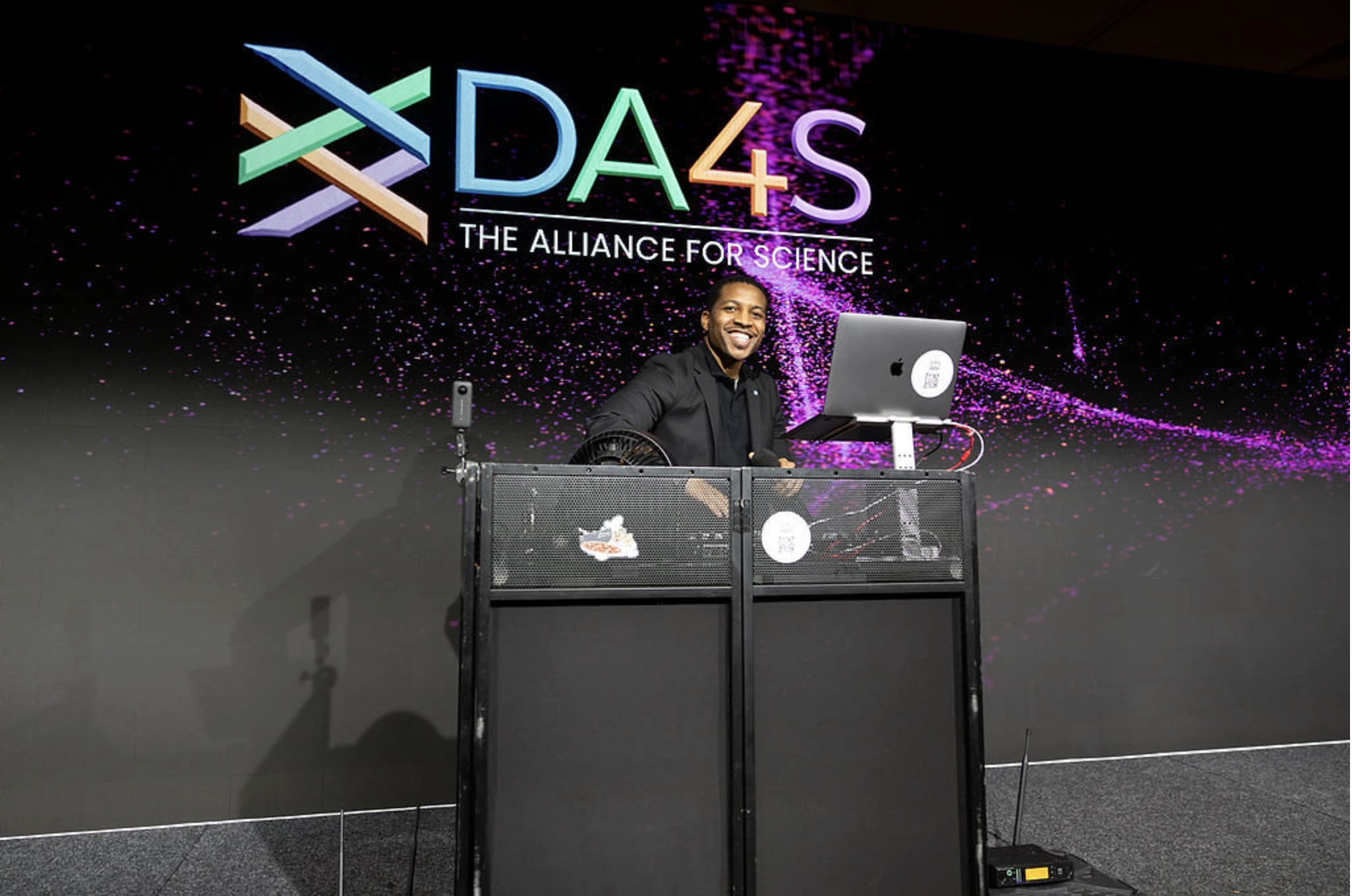
Corporate events for employees like town halls, all hands meetings, and internal summits are technically informational events. But the companies that get the most from them treat them as experiences.
That means designing the energy of the room, not just the content of the presentation. It means opening with something that shifts the mood before information delivery begins. It means building in genuine interaction rather than passive listening. It means closing in a way that makes people feel the time was well spent.
When an internal conference is produced with the same attention as a public facing event. Professional emcee, intentional pacing, managed transitions, music that punctuates the day. The retention and engagement numbers at corporate events for employees are dramatically different from the standard slide deck in-a-hotel ballroom format.
This distinction matters most for the town halls and all hands meetings that recur every quarter, where audiences default to disengagement because the format never changes. Employees who’ve sat through a dozen identical slide deck meetings tune out within minutes, regardless of how important the content actually is. Breaking that pattern doesn’t require a bigger budget. It requires structural variety: a different opening each quarter, a segment that invites real participation instead of Q&A silence, and a closing moment that gives people something to talk about on the way out. Companies that take their Interactive Conference Ideas That People Actually Join as seriously indoors as they do for client facing events see the engagement difference immediately.
How to Design Energy at Corporate Events for Employees
Energy is the variable that most planners of corporate events for employees don’t adequately plan for.
You can have a perfect venue, outstanding food, and great speakers. And still have a room that feels flat. Or you can have a modest budget in an average venue and produce an event that genuinely crackles with energy from the first moment to the last.
The difference is design.
Here’s what energy design looks like in practice at corporate events for employees:
The arrival experience matters. What do people hear and see when they walk in the door? Dead silence and overhead fluorescent lighting signal that they’ve arrived at a company event. Music, warmth, and visual intentionality signal that they’ve arrived at an experience. The first thirty seconds inside the room shape the entire evening.
Social momentum needs structure. Unstructured networking time. The classic “cocktail hour where everyone stands with their coworkers”. Works well for extroverts and falls flat for most everyone else. Building light structure into the social period. A shared activity, a visual activation, a photo experience, a game anyone can opt into. Gives people a reason to interact outside their existing circles.
Recognition moments need to be produced, not announced. When you call someone up for an award in a flat, unproduced environment, the moment reflects the environment. When you produce it. With the right music, the right lighting, the right emcee energy. It becomes a genuine moment of celebration that the person receiving it and everyone watching them will remember. The investment in getting that right is small. The impact is significant.
Transitions need management. The gap between the formal program and the social portion of the evening, between dinner and dancing, between the awards ceremony and the open floor. Every one of those transitions is a potential energy leak. In the best corporate events, those transitions are invisible because someone is actively managing them. In average events, you can feel the energy deflate between each segment.
Some of the most memorable moments in this category borrow directly from experiential marketing event examples, interactive, participatory formats built for a brand audience that translate just as well to an internal one.
Entertainment That Works for Corporate Events for Employees
Not all entertainment is equal for corporate events for employees. And the wrong choice can set the wrong tone for the entire night.
Here’s the honest breakdown for corporate events for employees:
Live DJs with a read on the room outperform curated playlists every time at events that have a social/celebratory component. A DJ who reads the room adjusts in real time. They know when to build energy, when to hold it, when the floor is ready and when it needs five more minutes. A playlist has no way to do that. This is why the same songs can work or fail completely depending on when they play.
A professional emcee makes an outsized difference at events that have both a formal program and a social component. The emcee is the connective tissue between segments. They control the pacing, manage the energy between moments, and give the event a voice that makes it feel cohesive. Without one, the formal program and the social portion can feel like two separate events that happen to be in the same room.
Novelty acts and one time activations. Photo booths, interactive artists, live painters, customized experiences. Work best when they’re built into the flow of the evening rather than dropped in as standalone elements. When a photo activation is introduced with context and energy, it becomes a moment. When it’s set up in the corner and announced via a slide, most people walk past it.
The Working With Your Corporate Event Production Team that works treats entertainment not as a line item to fill the evening but as the tool that manages the emotional arc of the event from beginning to end.
Small Details That Signal the Event Was Designed for Them
The details that make employees feel like the event was actually planned for them rather than for a generic “employee group” are often low cost and high impact.
A playlist for cocktail hour that reflects the team’s actual music preferences. Gathered from a quick survey two weeks before. Name pronunciation notes given to the emcee before recognition moments so nobody gets their name butchered in front of 200 people. A toast from leadership that’s genuine and specific. Referencing an actual moment from the year rather than generic gratitude language. A small detail in the design that references an inside moment, a team achievement, or a shared history.
These signals tell employees: someone paid attention. And that’s the message every one of your corporate events for employees should send.
None of this requires a large production budget. It requires someone on the team, whether that’s HR, an internal events lead, or an outside partner, who’s actually paying attention to the specifics of who’s in the room. The companies that consistently get this right build a short pre event checklist into their planning process: name pronunciations confirmed, music preferences gathered, and a handful of real moments from the year noted for whoever is speaking. It’s a five minute task that changes how the entire room experiences the event. This is the same philosophy behind every event About DJ Reese | No Stress Zone Entertainment, the details are the difference between an event people tolerate and one they remember.
How to Close Corporate Events for Employees Strong
The last thirty minutes of corporate events for employees are consistently underestimated.
Most events end with a fade. Music gets quieter, people start grabbing their coats, the energy dissipates naturally until the room is half empty. That ending is forgettable by design.
The best corporate events for employees have a deliberate close. Not necessarily a big finale, but a moment that signals: this was intentional, and it mattered.
That might be a final toast from leadership that’s brief, specific, and genuine. It might be a musical peak. A song that the room knows and responds to. Built in intentionally as the last memory people carry out the door. It might be a collective moment of recognition, laughter, or energy that happens because it was designed to happen, not because it stumbled into existence.
What the room feels like when people leave is what they’ll remember about the event. Build that ending as deliberately as you built the opening.
Corporate Events for Employees: An Investment in Culture
Done right, corporate events for employees are among the most powerful culture building tools a company has. SHRM (Society for Human Resource Management) consistently identifies shared experience events as a leading driver of workplace belonging.
It’s one of the few moments in the year when everyone is in the same room at the same time, outside the normal pressure of the work itself. That context is rare and valuable. Corporate events for employees that use this time well build real connection. The kind that makes a team more resilient, more cohesive, and more invested in each other’s success during the hard stretches of the year.
Corporate events for employees that waste this context don’t just fail to build something. They actively signal to employees that the company’s relationship with them is transactional, not genuine.
The difference between those two outcomes isn’t money. It’s intentionality.
No Stress Zone Entertainment works with corporate teams to design employee events that create genuine connection and lasting memory. From company celebrations and year end galas to internal conferences and team building events. Company Celebration and Holiday Party DJ or Corporate Event DJ Contact DJ Reese | Trusted Expert 500+.
Proof from the room: see how we hosted 45 Johnson & Johnson volunteers through a first aid kit build.
Related Reading
- Employee Appreciation Event Entertainment: 7 Ideas
- Corporate Retreat Entertainment: 5 Executive Options
Frequently Asked Questions
What makes corporate events for employees actually work, versus feeling like an obligation?
It comes down to experience design, not budget or venue. A dance floor that empties by 8pm or an all hands dressed up with catering and called a “celebration” fails because nobody wanted to be there, that’s a production problem, not a planning problem.
What does research say about the value of corporate events for employees?
Gallup research confirms that shared experiences are among the highest impact drivers of employee engagement and team cohesion, which is why these events matter for building culture, not just filling a calendar slot.
What are the main formats for corporate events for employees?
The three formats booked most often are annual celebration events, team building days, and internal conferences, each serves a different goal, and treating them as interchangeable is where planning tends to go generic.