Experiential agency partnership models sit the quiet infrastructure behind most enterprise brand activations. Agencies like Soho Experiential and Legacy Marketing sit between the corporate brand teams and the on the ground vendors, translating brand strategy into physical events across dozens of markets each year. The strongest experiential agency partnership relationships share one signature, the same on the mic vendor gets rebooked across 20, 30, sometimes 60 activations in a row. This post unpacks why that rebooking pattern happens and what it says about what agencies actually need from their vendor bench.
Written from the operator perspective, the mic and music vendor who has worked across the LIDL US calendar with Soho Experiential and the multi year Legacy Marketing program, this covers the vendor agency relationship dynamics, the operational discipline that produces rebookings, and what corporate marketing teams should look for when evaluating agencies for their next enterprise activation.
On This Page
Why Agencies Rebook the Same Vendor
An experiential agency partnership with an enterprise brand runs 20 to 60 activations a year across multiple markets. Every one of those events requires vendor coordination, hosts, music, technical production, catering, staffing, security. The agency has one deep incentive: reduce the number of vendors they have to re brief, re vet, and re monitor. Every new vendor on the bench is a coordination cost. Every rebooked vendor is a coordination win.
That is why the strongest agency programs settle into a small trusted vendor bench over time. The agency does not want to re explain LIDL’s grocery store playbook to a new host every three months. They want the same operator who already knows the myLidl app moment, the ribbon cut cue, the community first tone, and the wind down structure. Vendors who deliver that consistency get called back. Vendors who require re briefing every time get filtered out.
- Coordination cost, every new vendor requires re briefing, re vetting, and re monitoring
- Consistency payoff, same vendor across markets means predictable execution
- Brand voice preservation, corporate clients hear the same voice at every activation
- Risk reduction, trusted vendors reduce on the day surprise for the agency lead
How the Experiential Agency Partnership Model Works
Enterprise corporate marketing teams increasingly outsource the operational execution of activations to experiential agency partnership firms rather than staffing that capability in house. The corporate marketing team owns brand strategy, campaign messaging, budget approval, and stakeholder engagement. The agency owns vendor selection, run of show, on the day production, and post event reporting. That split lets corporate teams focus on what they are best at while the agency handles the operational spine.
The economic model for the agency depends on efficient production at scale. An agency that has to reinvent the vendor bench for every activation cannot achieve the margins that justify the retainer model most enterprise clients require. Efficient production means trusted vendors, standardized run of show templates, repeatable on the day playbooks, and post event debrief frameworks that transfer learnings across activations. The vendors who fit that model get the long term work.
Retainer vs project engagement structures
Most agency arrangements with enterprise clients run on retainer, a monthly fee that covers a defined scope of ongoing activation programming, with additional project fees for major tentpole events. The retainer structure incentivizes the agency to build long term brand team relationships and multi year activation calendars. Project only engagements incentivize episodic thinking that produces less coherent programs.
What Brand Teams Get From Long Term Agency Partnerships
The value of a long term experiential agency partnership shows up in three ways that shorter engagements cannot replicate. First, the agency develops deep brand knowledge that improves creative execution over time. Second, the vendor bench gets refined to the specific brand needs, meaning quality goes up while coordination cost goes down. Third, the debrief cycle across activations produces institutional learning that individual project engagements never capture.
Brand teams that switch agencies frequently lose all three of those benefits and pay for the learning curve every time. The best performing enterprise marketing teams find agencies they trust and settle into multi year relationships that compound in value. According to the American Marketing Association, longer agency tenures correlate directly with stronger campaign performance across industry benchmarks.
Soho and Legacy as Case Examples
The full Soho Experiential case study covers a 2 year agency partnership across 20+ activations, with LIDL US as the anchor client and rebooking pattern across the East Coast. The Legacy Marketing case study covers the 4 year partnership with 30+ LIDL grand openings including the first LIDL store in Washington DC.
Both agencies run similar operational models, trusted vendor bench, standardized run of show, community first market entry approach, and rebooking focused vendor management. The difference between them is scale and history. Legacy has run more openings for LIDL over a longer period. Soho has expanded the vendor and program approach across other retail activations. Both illustrate what a strong experiential agency partnership actually looks like from the inside.
How to Evaluate an Experiential Agency Before Signing
Corporate marketing teams evaluating agency candidates should probe the vendor management approach specifically. Ask: how large is the standard vendor bench? What percentage of your activations are staffed by rebooked vendors versus new vendors? How do you brief a new vendor on a repeat client’s playbook? How do you handle vendor performance issues that emerge mid program?
Agencies that answer these questions with specific process descriptions have mature vendor management. Agencies that answer with generic language about “trusted partners” are still building that muscle. The difference between the two is measurable in on the day execution quality across 20+ activations a year.
The Vendor Side of the Experiential Agency Partnership
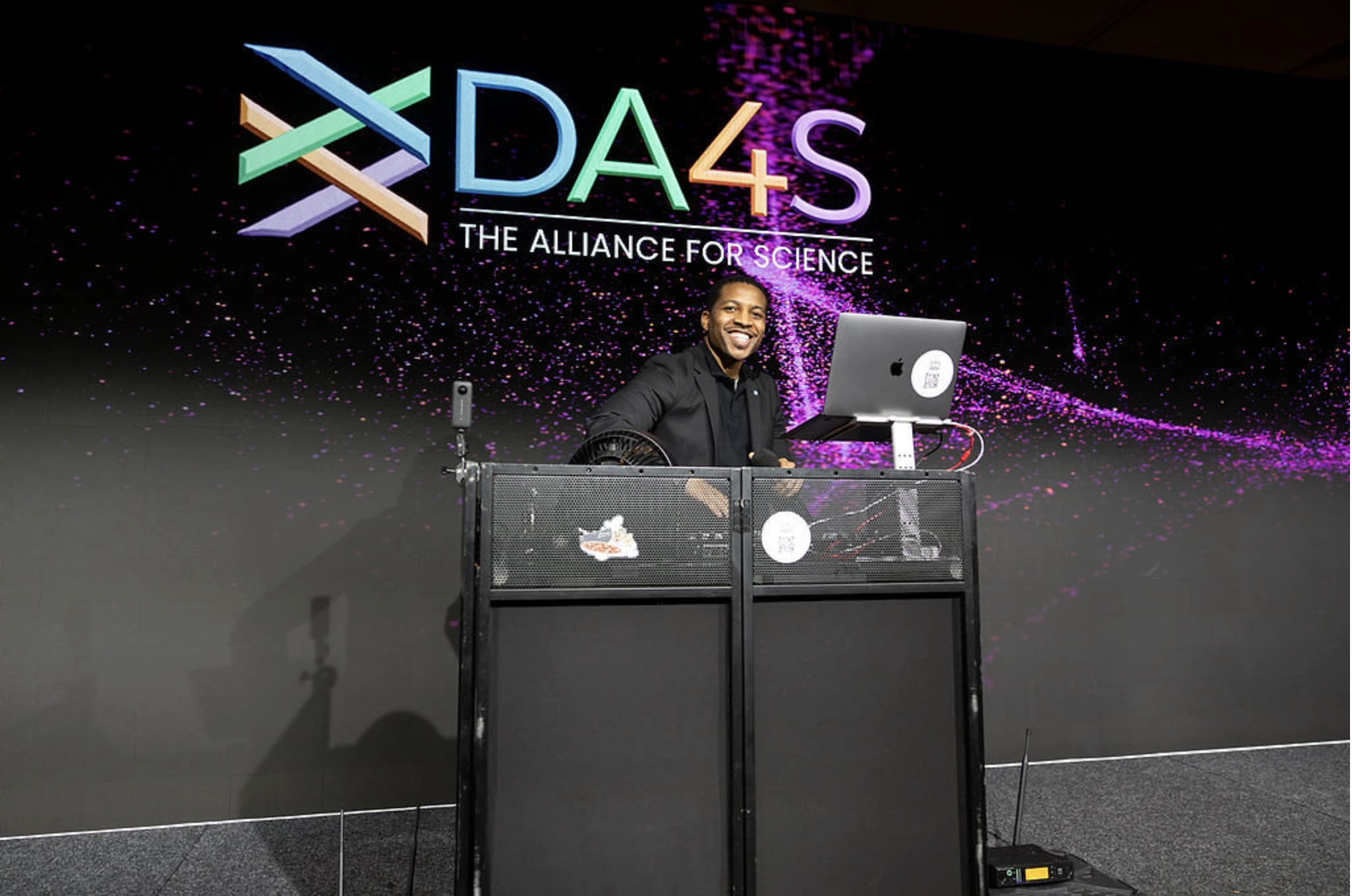
Being on the vendor side of a long term experiential agency partnership is a specific kind of business. The vendor commits calendar availability months in advance to protect the agency’s program continuity. The vendor absorbs the agency’s brand voice and run of show conventions until they become second nature. The vendor treats agency staff, especially the on the ground production lead, as internal team, not as client.
That posture is what earns the rebooking. Vendors who treat every activation as a fresh negotiation, who miss briefings, who require the agency to hand hold basic execution, those vendors get filtered off the bench within one or two events. Vendors who show up prepared, absorb feedback quietly, and deliver consistent quality across markets get called every time.
Cross Client Portability Within an Agency Bench
Vendors who prove themselves in one experiential agency partnership account often get pulled into other accounts on the same agency’s roster. A host who runs LIDL grand openings for Legacy Marketing might also get booked for a different Legacy retail client. That cross client portability is the compounding value of being on a strong agency’s vendor bench, every strong performance opens up additional work with adjacent clients.
For corporate marketing teams, this cross client value is worth knowing. Agencies that have a deep vendor bench across multiple clients bring transferable expertise. A vendor with cross industry activation experience will handle edge cases better than a vendor who has only worked a single vertical.
Measuring Experiential Agency Partnership Performance
Enterprise clients should measure agency performance across a defined set of metrics, activation day execution quality (scored by internal marketing observers and stakeholder feedback), vendor coordination effectiveness (measured by on the day issue count and resolution time), post event reporting completeness, brand voice consistency across markets, and year over year program improvement signals. Agencies that hit those metrics consistently earn multi year contract extensions. Agencies that miss get replaced.
Book Your Next Activation
If your enterprise marketing team is planning an activation program and wants a vendor with a track record across multiple agency programs, use the contact page to open a conversation. See the full brand activation DJ services menu, browse the complete corporate DJ case studies portfolio, or read the specific Soho Experiential and Legacy Marketing case studies for full detail on those multi year programs.
Agency Selection RFP Process
Enterprise clients selecting a new agency typically run a structured RFP with three to five qualified firms. The RFP covers capabilities documentation, case studies of comparable programs, proposed team composition, financial terms, and specific answers to strategic questions about the client’s brand challenges. Written responses filter the initial pool. Chemistry meetings with the finalists surface team fit. Reference calls with past clients validate the pitch. The final selection blends capabilities score, pricing, and team chemistry into a single decision.
Marketing teams that skip the reference call step regret it within the first year. Reference calls surface information that never shows up in the pitch, how the agency handles missed deadlines, how they communicate during production crises, how they resolve invoice disputes, and whether the team that pitched is actually the team that will execute. Skipping references is where bad agency selections happen.
Pricing structures across the industry
Enterprise experiential firms structure fees in three common models, monthly retainer for ongoing programming, project fee for defined activations, and hybrid arrangements combining both. Retainers typically run in the mid five figures to low six figures per month for full service enterprise account handling. Project fees vary widely by scale, with a single tentpole activation ranging from twenty five thousand to several hundred thousand dollars depending on venue, staffing, and technical requirements.
Post Event Debrief Discipline
Structured post event debriefs are the mechanism through which agency programs improve year over year. The strongest agencies run a 30-to-60 minute debrief within one week of every activation, covering what worked, what did not, what the vendor team observed, what the client stakeholders observed, and what the debrief team would change for the next iteration. Notes get filed and referenced during the next event’s kickoff.
Agencies that skip debriefs cannot improve. Every activation surfaces the same operational lessons that were never captured from the previous activation. Marketing teams should specifically ask agency candidates during selection whether they run structured debriefs and can share redacted examples. Agencies that hesitate probably do not run them.
Handling Client Transitions Between Agencies
When a brand switches agencies, either by RFP outcome or by relationship deterioration, the outgoing agency should hand off documentation cleanly to the incoming agency. In practice this rarely happens well. Institutional knowledge walks out the door, vendor relationships get severed, and the incoming agency has to rebuild the operational spine from scratch. Marketing teams considering an agency switch should factor a six to nine month productivity dip into the transition plan.
The cost of switching frequently is why brand teams often stay with imperfect agencies longer than they should. Fixing what is wrong within an existing agency relationship, through clearer briefing, structured feedback, and specific performance improvement plans, is usually less disruptive than starting over.
Multi Agency Roster Management for Large Brands
The largest enterprise brands often maintain multiple experiential firms on the roster simultaneously, one for retail activations, one for B2B conferences, one for brand launches, one for internal employee events. Managing that multi agency roster requires a dedicated marketing operations lead who coordinates across the firms, prevents scope overlap, and ensures brand voice consistency. Companies that manage this well get specialized excellence across categories. Companies that manage it poorly get fragmented brand execution and internal politics between the firms.
Vendor Cross Training and Institutional Knowledge
The strongest agency programs invest in vendor cross training so that no single mission critical vendor becomes a single point of failure. If the primary host is unavailable for a specific date, the agency has a trained backup who has shadowed the primary on prior activations and can step in without a re brief. Similarly for music vendors, technical production leads, and other critical roles. Cross training is invisible when it works and catastrophic when it does not exist.
Institutional knowledge lives across a mix of written playbooks, shared communication channels, and the working memory of the long tenured production team. Agencies with high turnover lose institutional knowledge continuously. Agencies that invest in documentation and low turnover preserve it. Clients rarely see this layer directly, but they feel it in the consistency of execution across events over time.
Emerging Trends in Enterprise Experiential Programming
Several trends are reshaping how enterprise brands approach experiential programming. First, hybrid physical digital events that let remote employees or customers participate alongside in person attendees. Second, sustainability forward event design that reduces the environmental footprint of large scale activations. Third, community first activation approaches that treat the event as a community engagement opportunity, not just a brand touchpoint. Fourth, deeper measurement tied to business outcomes rather than vanity metrics.
Agencies that lean into these trends deliver stronger long term client relationships. Agencies that keep executing the same playbook year after year get replaced when the client’s needs evolve. Marketing teams evaluating agency candidates should probe how each firm is thinking about these emerging areas, not because trends are ends in themselves, but because forward looking agencies produce forward looking programs.
Hybrid and remote inclusive event formats
Post-2020, enterprise event programs increasingly include hybrid components, livestream feeds, remote networking rooms, digital first content parallel tracks. Agencies with technical production capabilities that span physical and digital delivery have a competitive advantage over pure physical firms. Enterprise clients with distributed workforces increasingly require this capability as a table stakes offering rather than a specialty.
The Long Arc of Agency Client Relationships
The strongest experiential agency partnership arrangements often span five, seven, or ten years. Over that arc, the agency becomes a trusted advisor on brand strategy questions well beyond the specific activation programs. That trust is not built through a single successful event, it accumulates through hundreds of small operational decisions handled well across years. Marketing teams that treat agencies as vendors miss this potential. Marketing teams that treat agencies as long term strategic partners unlock it.
The Compounding Value of Trusted Vendor Benches Over Time
The economic case for vendor rebooking is simple and compounding. Every rebooked vendor reduces new vendor onboarding cost. Every reduced onboarding cost frees agency capacity for higher value creative and strategic work. Every hour of freed capacity produces stronger client outcomes. Every stronger client outcome extends the retainer relationship. The loop repeats across years, which is the entire economic mechanic behind the experiential agency partnership model.
Corporate marketing teams that understand this loop treat the agency’s vendor bench as an asset they benefit from, not as a constraint they should second guess. The agency’s job is to protect that bench through fair pricing, timely payments, respectful working relationships, and clear briefing discipline. Vendors treated well stick around. Vendors treated poorly move to competing agencies and take their institutional knowledge with them.
What clients should never ask agencies to do
Clients should not ask agencies to underprice vendor talent below market. Clients should not ask agencies to override vendor recommendations in favor of cheaper unproven alternatives. Clients should not micromanage vendor selection at the individual level. Each of those interventions damages the vendor bench economics that produce the compounding value. Trust the agency’s vendor management or find a different agency.
Closing Thought on Vendor Bench Strategy
The rebooking pattern that runs across the LIDL US calendar with Legacy Marketing and Soho Experiential is not a random fact. It is the operational expression of an economic model that rewards trust, consistency, and long relationships. Corporate marketing teams who study this pattern understand why their strongest agency arrangements produce their strongest events. Teams who look for constant novelty in agencies and vendors pay for the learning curve every quarter.
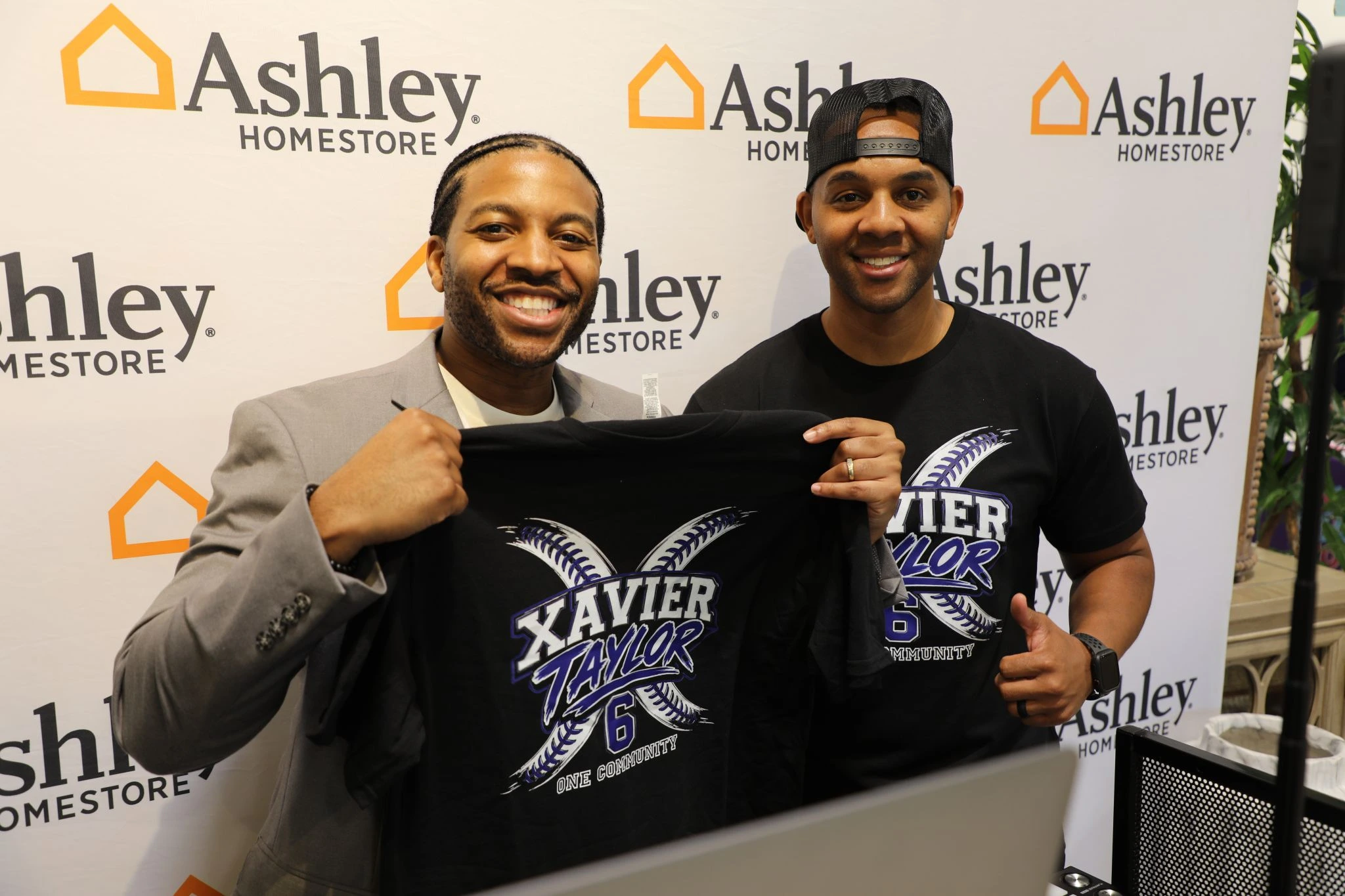
Proof from the room: see why CBRE has booked us every year since 2019.
Frequently Asked Questions
What makes experiential agency partnership different from generic event work?
Working experiential agency partnership for an enterprise client is fundamentally different from generic event or entertainment work. The stakeholder complexity, brand risk, run of show discipline, and rebooking dynamics all operate at a different level than one off consumer events. Vendors who understand these differences produce measurably better outcomes across enterprise client relationships.
How is success measured for experiential agency partnership?
Success measurement for experiential agency partnership at enterprise scale focuses on measurable business outcomes rather than vibes. Rebooking rate, stakeholder feedback, on the day execution quality, and follow through metrics all factor into whether the client considers the engagement successful enough to continue the relationship.
Why does experiential agency partnership require specialized vendor experience?
Specialized experience matters for experiential agency partnership because the operational patterns, stakeholder handling protocols, and brand voice requirements do not transfer from generic entertainment vendor work. Vendors who have accumulated years of enterprise specific reps deliver measurably stronger outcomes than vendors bringing consumer event backgrounds to the same assignments.
Related Corporate DJ Case Studies
The complete corporate DJ case studies portfolio reflects the experiential agency partnership patterns discussed above across named client programs, LIDL US grand openings, PUMA brand activations, CBRE World Cup watch parties, MLS New York Red Bulls product launches, Fox Corporation fan events, 9/11 Day national service days, and enterprise agency partnerships with Legacy Marketing and Soho Experiential. Every case study on that page reflects the same operational discipline that drives enterprise experiential agency partnership success at scale.
Key Takeaways for Enterprise Marketing Teams
- Understand the operational patterns, experiential agency partnership at enterprise scale runs on defined mechanics, not on entertainment instincts.
- Prioritize rebooking over price, long term experiential agency partnership vendor relationships compound value across every subsequent engagement.
- Vet for enterprise experience specifically, vendors who have worked experiential agency partnership for enterprise clients bring transferable knowledge that consumer event vendors cannot replicate.
- Measure outcomes beyond the day, stakeholder feedback, rebooking signals, and post event follow through are stronger success metrics than attendee counts.
- Document what worked, structured debriefs after every experiential agency partnership engagement produce compounding learning that improves the program year over year.
For additional context on experiential agency partnership best practices, see Event Marketer’s enterprise activation coverage, the industry’s leading publication tracking enterprise brand experience programming across categories and regions.
Comparison Table: Experiential agency partnership vs Generic Vendor Work
| Factor | experiential agency partnership | Generic Vendor Work |
|---|---|---|
| Stakeholder complexity | High, enterprise leadership | Low, single client contact |
| Brand risk | Enterprise reputation on the line | Minimal ongoing exposure |
| Rebooking incentive | Multi year contract compounding | Transactional per event |
| Preparation depth | Weeks of briefing and coordination | Hours of standard prep |
| Success measurement | Business outcomes and rebooking | Vibes and attendee counts |
Why the experiential agency partnership approach produces better results
The distinction laid out in the comparison table above is not academic. It maps directly to why some vendors get rebooked across seven year enterprise programs while others cycle through one off engagements. Vendors who understand the experiential agency partnership approach at this level operate at the enterprise tier. Vendors who treat every booking as a generic gig stay in the transactional tier permanently.
What corporate marketing teams should ask about experiential agency partnership
When evaluating vendors for experiential agency partnership engagements, the questions worth asking during the vetting call include: How do you brief for enterprise stakeholder handling? What is your track record of enterprise rebookings? Can you walk me through a specific experiential agency partnership engagement where your on the day adjustments made a measurable difference? Vendors who answer these with specific behavioral examples belong on the enterprise vendor shortlist. Vendors who deflect with buzzwords do not.
For additional context on enterprise event vendor selection, see Forbes Communications Council coverage of B2B marketing vendor evaluation practices, the industry’s leading executive perspective on enterprise marketing procurement discipline.
Additional Context on Experiential agency partnership
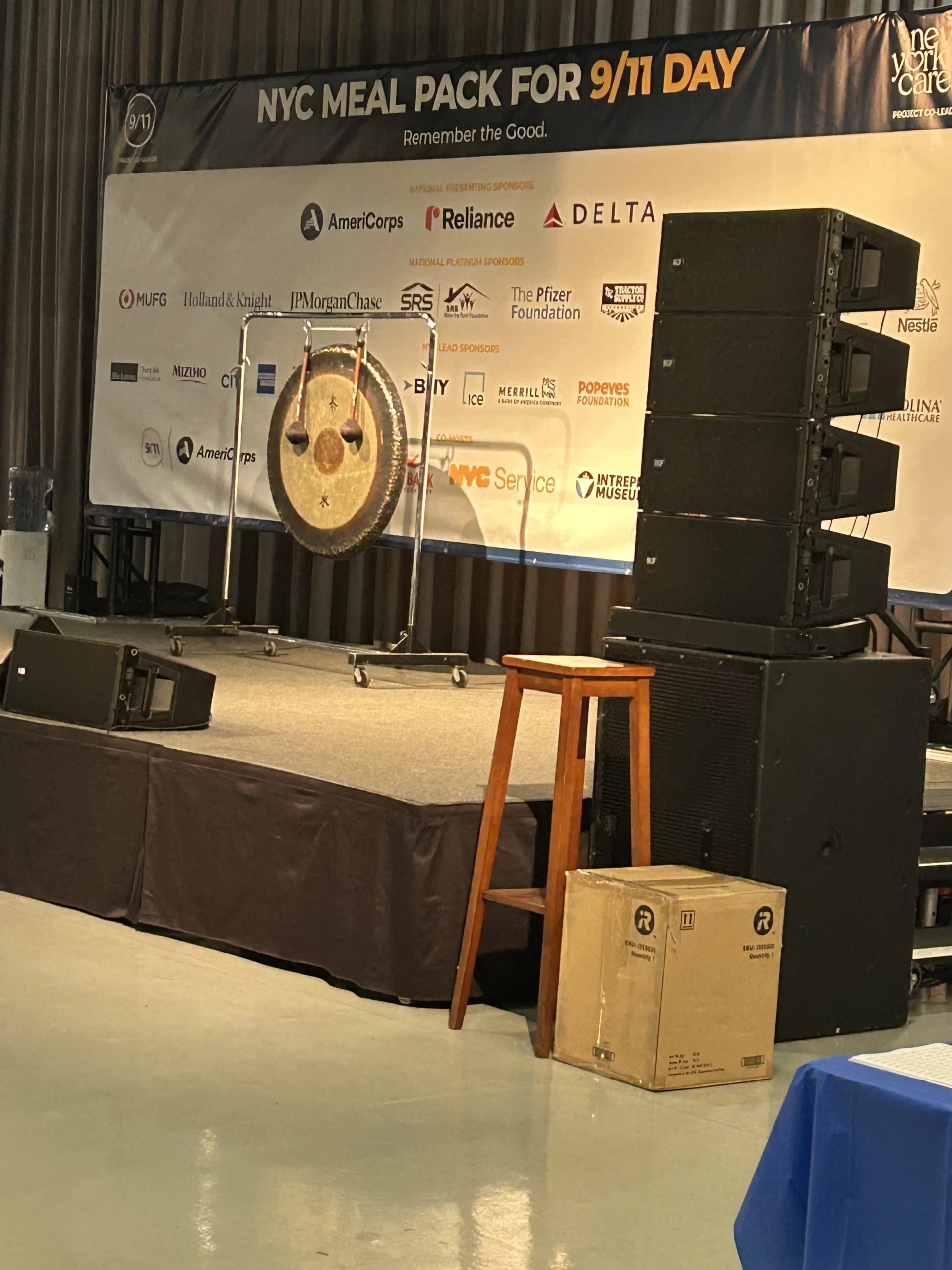
Why experiential agency partnership deserves deeper marketing team attention
Enterprise marketing teams that treat experiential agency partnership as strategic infrastructure rather than as vendor line item consistently produce stronger event outcomes. The framing shift matters. Vendors who feel treated as partners perform at partnership level. Vendors who feel treated as commodities perform at commodity level.
Documenting experiential agency partnership outcomes for the CFO conversation
Every experiential agency partnership engagement should produce documentation the marketing team can walk into finance review with. Attendee counts. Business outcome metrics. Stakeholder feedback. Rebooking signals. Programs that document experiential agency partnership outcomes rigorously get bigger budgets year over year. Programs that skip documentation get squeezed.
More on Experiential agency partnership at Scale
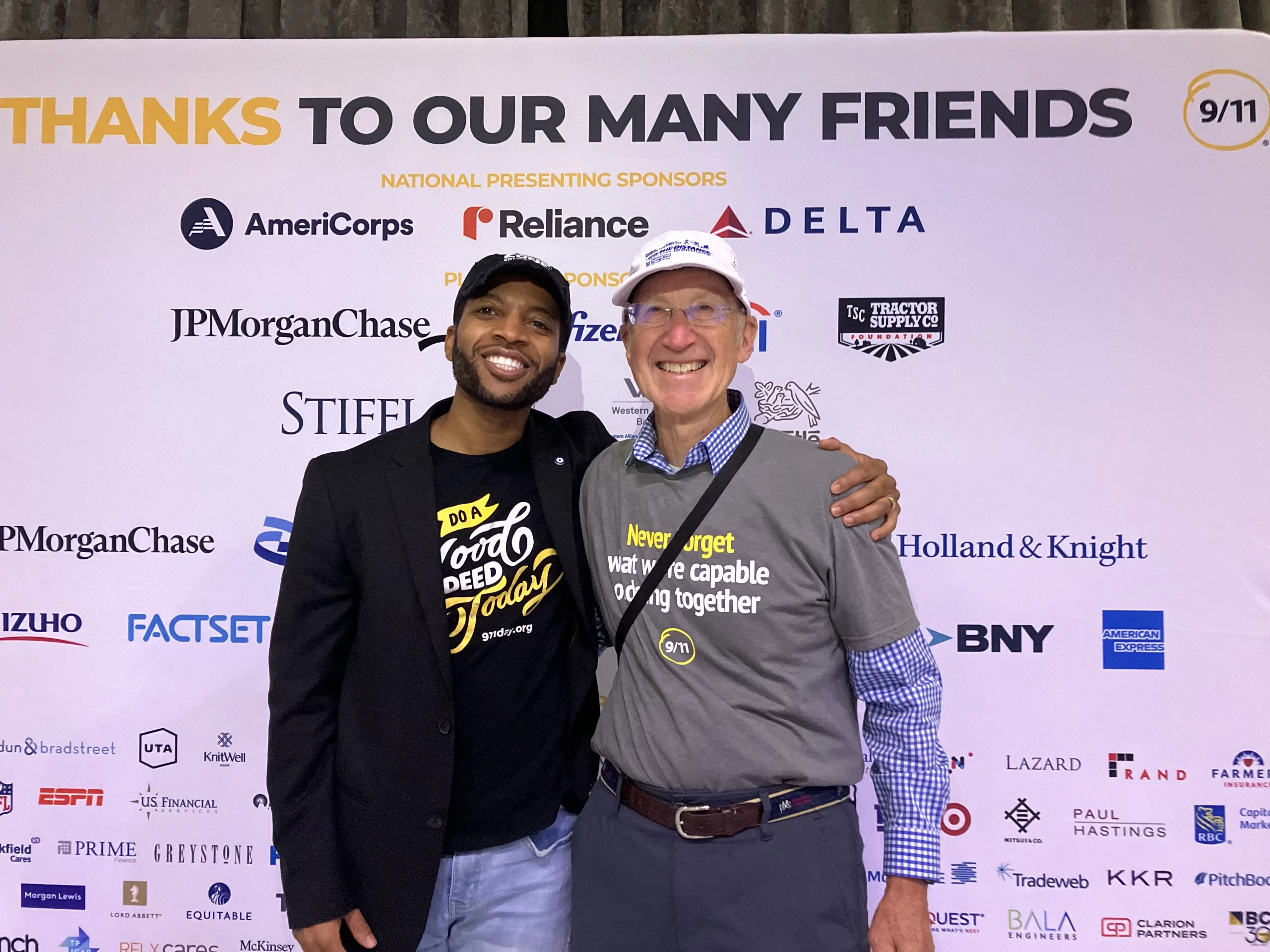
Scaling experiential agency partnership across multiple markets
Experiential agency partnership at enterprise scale runs across multiple markets simultaneously. Consistency of execution across those markets is the operational challenge. Enterprise teams solve it through vendor rebooking and standardized playbooks.
Experiential agency partnership vendor bench management
Building a vendor bench for experiential agency partnership takes years. The bench compounds in value with every additional rebooking. Marketing directors who invest in bench development get compounding returns across every subsequent event.
For additional operational context on experiential agency partnership, review the full corporate DJ case studies portfolio and the contact page to open a conversation about your next engagement.