Technology Enhances Connection. A Corporate Event Experience Creates It.
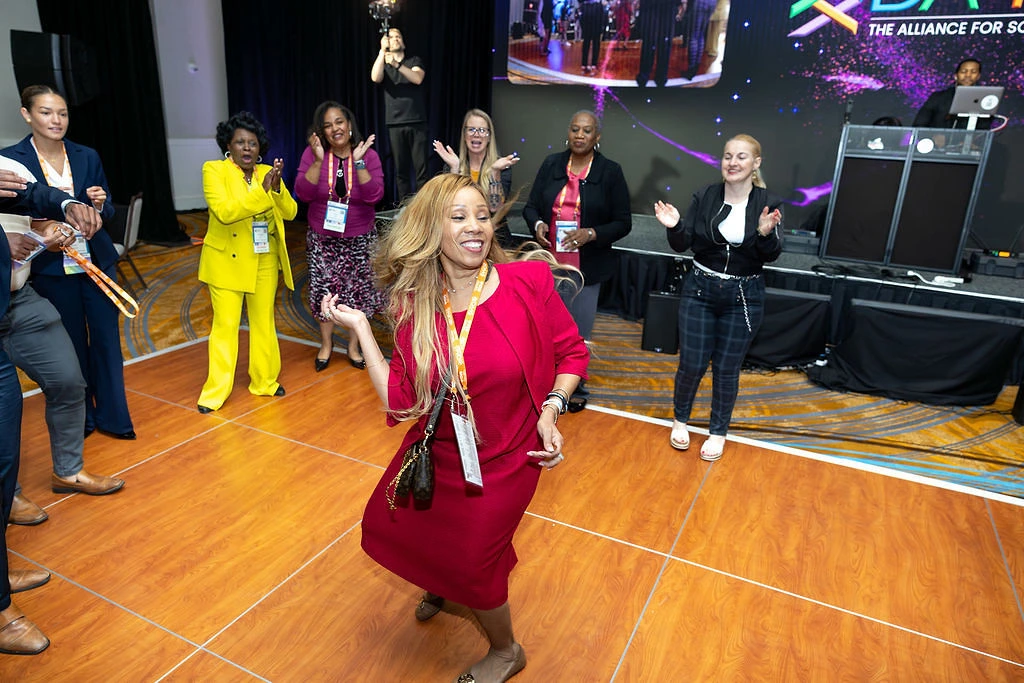
The best corporate event experience I’ve observed in twenty plus years wasn’t built around a technology platform. It was built around a moment. A single thing that happened in a room and made three hundred people feel something at the same time.
Toy Story 5 wasn’t supposed to teach me anything about corporate events.
But somewhere in the third act, it did.
Without spoiling what happens: the film builds to a moment where the newest characters. Designed around technology, efficiency, and optimized experience delivery. Come face to face with what they can’t replicate. The thing that makes the original toys irreplaceable isn’t their features. It’s the relationship. The history. The specific feeling of being seen, chosen, and remembered by someone who knows you.
Technology, the film argues, enhances the experience of connection. But it can’t create the connection itself. The same truth applies to the corporate event experience.
I’ve been thinking about that distinction ever since. Specifically in the context of how the events industry has been approaching the corporate event experience over the last few years.
Table of Contents
- The Technology Bet on Corporate Event Experience
- What Technology Cannot Do for the Corporate Event Experience
- The Corporate Event Experience Technology Actually Supports
- What Toy Story 5 Got Right About Corporate Event Experience
- The Moment That Defines the Corporate Event Experience
- Where Technology Fits in a Well Designed Corporate Event Experience
- Building a Corporate Event Experience Technology Can’t Replace
- The Question Worth Asking About Your Corporate Event Experience
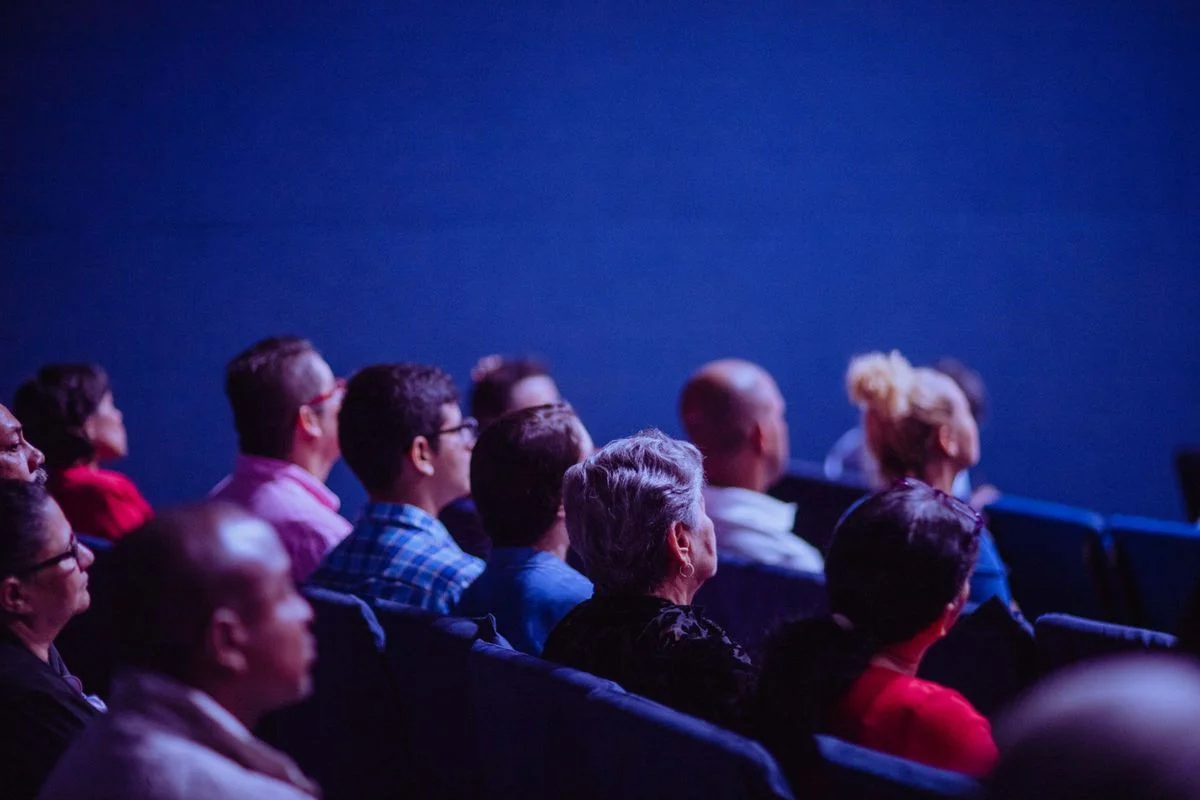
The Technology Bet on Corporate Event Experience
Over the past decade, corporate events made a significant investment in technology.
Event apps that replaced printed programs. AI generated session recommendations that matched attendees to content based on their registration data. Hybrid streaming platforms that extended events to audiences who couldn’t travel. LED walls and projection mapping that turned ordinary ballrooms into immersive visual environments. Facial recognition for frictionless check in. Data dashboards that gave planners real time attendance, engagement scores, and session popularity rankings.
Much of this technology is genuinely useful. PCMA’s Convening Leaders research consistently shows that the most impactful corporate event experience combines logistics technology with human experience design. Frictionless check in is better than a two hour line. Streaming platforms made events accessible in ways that weren’t possible before. A responsive event app is more useful than a printed 40 page booklet that’s out of date by Day 1.
But something happened alongside the technology investment: the industry started to confuse enhancement with creation in the corporate event experience.
Technology can enhance a corporate event experience that’s already there. It cannot create one from scratch.
The data layer deserves a closer look, because it’s where the tech versus experience conversation gets confused most often. A dashboard can report that attendance hit 94 percent or that the afternoon session had the strongest engagement score of the day. What it can’t report is why. Real engagement data is useful for spotting patterns after the fact, not for manufacturing a corporate event experience in the room. Planners who lean on employee participation metrics as a proxy for success often miss the actual driver: whether people felt something worth remembering. The best use of event technology in a corporate event experience is diagnostic, not decorative. It tells you what happened. It never tells you what to build.
What Technology Cannot Do for the Corporate Event Experience
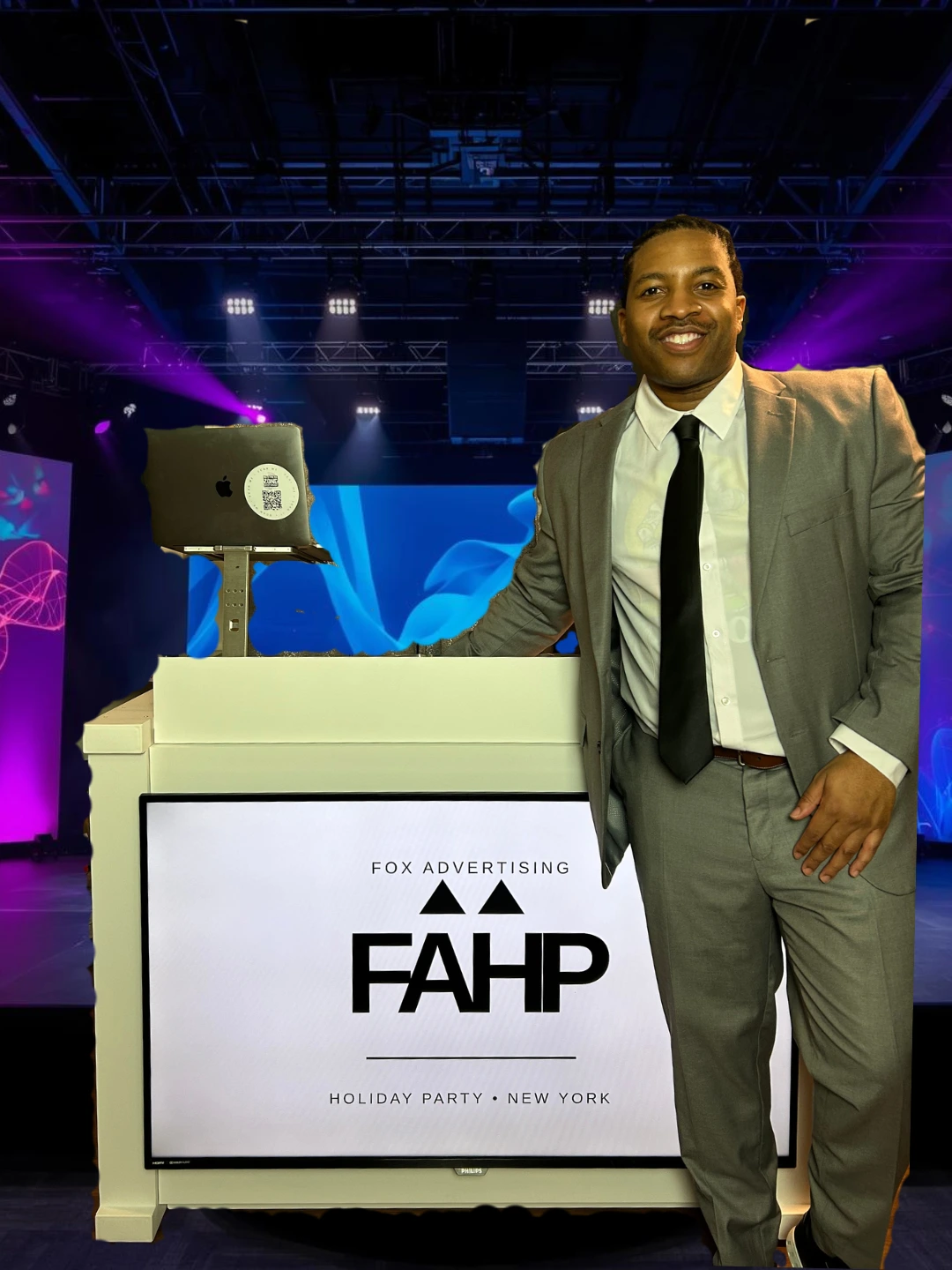
There’s no app that makes a corporate event experience come alive in the way that human design can.
There’s no LED wall that creates the collective energy of 500 people responding to the same moment at the same time. There’s no AI recommendation engine that replicates the experience of being in a conversation with someone you’d never otherwise meet, in a hallway between sessions, because the event was designed to make that collision happen. There’s no engagement score that captures what someone feels when their name is called in front of their entire company and the room responds with genuine celebration.
These things happen because humans are in a room together, and the corporate event experience has been designed to draw that humanity out. Not to optimize it.
The corporate event experience that stays with people. The one they reference in conversations months later, the one that shifts something in how they think about the company or their work or each other. Is almost always anchored to a moment that was fundamentally human. A speaker who said something true in a way they weren’t expecting. A recognition that felt genuine. A room wide burst of laughter that made everyone feel the same thing at the same time. A musical moment that hit at exactly the right instant and said more than any slide could have.
Technology was present in all of those corporate event experiences. But technology didn’t create those moments.
This is why so many well funded, technologically loaded programs still land flat. Teams pour budget into the platform layer and assume the experience follows automatically. It doesn’t. A corporate event experience that feels flat almost always has the same root cause: the technology was the plan, not a tool inside the plan. Fixing that gap isn’t a matter of buying a better app or a sharper LED wall. It’s a matter of deciding, before any vendor conversation happens, what people in the room are supposed to feel and remember. Get that right first, and technology becomes a multiplier for the corporate event experience. Get it backwards, and no amount of technology rescues an event nobody actually designed.
The Corporate Event Experience Technology Actually Supports
This isn’t an argument against technology in corporate events. It’s an argument for understanding what technology is actually for.
Technology is a tool for removing friction. For extending reach. For personalizing information delivery. For capturing data that helps planners make better decisions.
What it’s not a tool for is replacing the human experience design layer of an event.
Consider the difference in corporate event experience between two approaches to an internal leadership conference:
Approach A: The conference is built around a sophisticated event app with AI generated session recommendations, a live polling integration, a gamified networking feature with points and leaderboards, and a post event analytics dashboard. Significant time and budget went into the tech stack.
Approach B: The conference has a clean, functional event app for scheduling and logistics. The rest of the budget and attention went into the live experience. A professional emcee who manages the room’s energy across two days, intentionally designed transitions between sessions, a recognition ceremony that was produced with real care, and a closing moment that was designed weeks in advance to leave people genuinely moved.
Both conferences had technology. One used it to enhance an experience that was already there. The other used it to try to replace an experience that was never built.
Approach B produces the corporate event experience people talk about for the next six months. Approach A produces feedback surveys.
What Toy Story 5 Got Right About Corporate Event Experience
The reason the Toy Story franchise has endured for thirty years isn’t the animation. Though it’s extraordinary. It’s the emotional truth at the center of every film: that what makes something irreplaceable is not its features, but its relationship.
The toys that matter to Andy, and later to Bonnie, matter because of shared history. Because of the specific moments that exist between them and no technology can replicate. Because being chosen, remembered, and loved by a specific person who knows your specific flaws is something no optimized system can manufacture.
Toy Story 5 revisits this truth in a contemporary context. Where newer, shinier, more technologically sophisticated alternatives exist, and the question is what makes the originals worth keeping.
The answer the film lands on is the same answer the events industry keeps having to rediscover: connection is not a feature. It’s not deliverable via software. It comes from shared experience, genuine presence, and the specific kind of memory that gets made when people are in the same room together and something real happens between them.
That’s a harder skill than the tech narrative admits. Reading the room isn’t a soft skill you either have or don’t; it’s a discipline built from thousands of repetitions of watching how real people respond to real moments, and it’s the actual engine behind a corporate event experience that lands. No sensor package or engagement dashboard can tell an operator that the room needs sixty more seconds of buildup before the reveal, or that the joke that worked in rehearsal is dying live and needs to be cut.
That judgment call is what separates a corporate event experience that gets remembered from one that quietly fades by the following morning. Reading the room is not nostalgia for a pre technology era. It’s the actual corporate event experience skill technology has never been able to replicate, and Toy Story 5 is right that it never will.
The Moment That Defines the Corporate Event Experience

Every event. No matter the format, budget, or technology stack. Is ultimately remembered by its moments.
Not sessions. Not content tracks. Moments. In a well designed corporate event experience, those moments are never accidental.
The moment the lights came up on the stage reveal and the room gasped. The moment the award winner didn’t know they’d won and couldn’t hold it together at the podium. The moment the DJ read the room perfectly and the floor went from half empty to packed in four minutes. The moment a speaker said something true that everyone in the room had been thinking but nobody had said out loud.
These moments are designed. They don’t happen by accident. A distinction that Event Marketer has documented across the top performing brand and corporate events it covers annually., and they’re not generated by a platform. They’re the result of someone. Or a team of people. Thinking carefully about what this specific audience, at this specific point in time, needs to feel.
That is the craft at the center of a great corporate event experience. Not the technical execution. Though that has to be right. The human design layer that knows how rooms work, how audiences move, and how to create the conditions for a moment to happen.
None of this is achievable by accident, and it isn’t achievable by simply layering enough production value on top of a program and hoping something lands. Every genuinely memorable corporate event experience can be traced back to a specific decision made by a specific person: to hold the pause a beat longer, to bring someone unscripted into the moment, to read that the room needed silence instead of another cue.
Those decisions aren’t visible in a run of show, and they rarely show up in a debrief deck, but they are the entire reason a corporate event experience gets talked about the following Monday instead of forgotten by the parking lot. Technology can document the moment after it happens. It has never been able to build one before it happens.
Where Technology Fits in a Well Designed Corporate Event Experience
Technology earns its place in a corporate event when it removes friction and extends impact. Not when it’s the centerpiece.
It belongs in logistics. Registration, check in, scheduling, room navigation, real time updates. Technology solves these problems well and should. Nobody misses the two hour registration line or the crinkled paper program.
It belongs in accessibility. Hybrid streaming, real time captioning, translated content, on demand session recordings. These tools make events available to people who can’t be in the room and preserve content after the event ends. That’s genuine value.
It belongs in personalization at scale. For large conferences with dozens of session tracks, technology can help attendees find the content most relevant to them. For events with complex logistics, apps keep everyone on the same page. These are real problems that technology solves efficiently.
It does not belong in the experience design conversation. The energy of the room, the emotional arc of the day, the design of the moments that make the event memorable. These are human design problems. They require someone in the room, reading the audience, making real time adjustments, and understanding at a gut level what this specific group of people needs to feel right now.
A great corporate event experience is not something you can automate. And every attempt to automate it produces an event that feels exactly like what it is: an optimized system doing its best to simulate a human experience.
Building a Corporate Event Experience That Technology Can’t Replace
The corporate event experiences that people remember share a common quality: they felt designed for them. For this specific audience, this specific moment, this specific purpose. Not for a generic attendee profile. Not for an engagement score. For the actual humans in the room.
That feeling is created through specificity. Through genuine attention to who the audience is and what they need from this particular day. Through moments that could only exist in this room, with these people, at this point in time.
It’s created when the emcee knows the room well enough to read when to push the energy forward and when to let it breathe. When the musical moment at the close of the gala hits at exactly the right time, with exactly the right song, because someone thought carefully about what this specific group would respond to. When the recognition ceremony feels like a genuine celebration of real people, not a procedural list read into a microphone.
Technology can be present for all of that. And should be, in the places where it serves. But the experience itself? That’s human work.
For organizations planning conferences, brand activations, or gala events where the audience experience is the point. Where what people feel in that room is the deliverable. The question worth asking is not “what technology should we add?” It’s “who is designing the human experience layer of this event?”
The Question Worth Asking About Your Corporate Event Experience
What do you want people to feel when they leave this corporate event experience?
Not what you want them to know. Not what metrics you want to capture. Not what content you need to cover.
What do you want them to feel?
If you can answer that question clearly, you can work backward to design an experience capable of producing that feeling. And technology can then take its appropriate place in the event. Serving the experience, not replacing it.
Toy Story 5 wasn’t really about toys. And its lesson about the corporate event experience is one the events industry keeps having to rediscover. It was about what endures when novelty fades. About why the things that know us, that were present for the real moments, that carry the specific texture of real shared experience. Are the ones we keep.
Corporate events have the same opportunity. The technology will change. The platform will update. The LED wall will eventually be obsolete.
The moment someone felt genuinely celebrated in a corporate event experience. Genuinely connected, genuinely part of something that mattered. That stays.
Design for that.
No Stress Zone Entertainment designs the human experience layer of corporate events. The audience engagement, energy management, real time room control, and intentional moments that technology enhances but can’t create. Learn about the approach or reach out to start planning.
Proof from the room: see how we opened the FTF News Technology Innovation Awards.
Related Reading
- Claude for Events: How to Use AI for Corporate Event Planning
- The Invisible Work Behind Every Seamless Corporate Event
Frequently Asked Questions
Can technology alone create a great corporate event experience?
No, technology enhances the experience of connection but can’t create the connection itself. Sophisticated tools like AI session recommendations or gamified networking still need a human experience design layer to matter.
What’s the difference between two conferences that both use event technology?
One conference can pour its budget into an app with AI recommendations, live polling, and an analytics dashboard, while another uses a simpler app but invests in a professional emcee managing room energy, designed transitions, and a planned closing moment, the second approach is what actually creates connection.
What role does a professional emcee play in the corporate event experience?
An emcee manages the room’s energy across the full event, intentionally designing transitions between sessions, producing recognition moments with real care, and building toward a closing moment planned weeks in advance to leave people genuinely moved.