
A life sciences emcee kept this scientific conference on schedule and the room engaged from open to close. Here’s how it went.
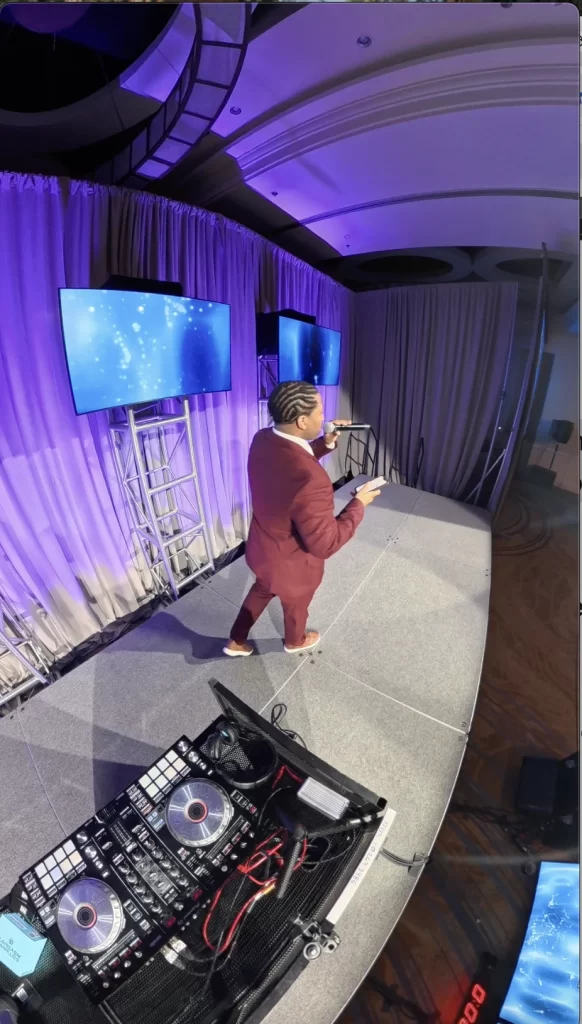
The Alliance for Science East Coast Conference
The Program
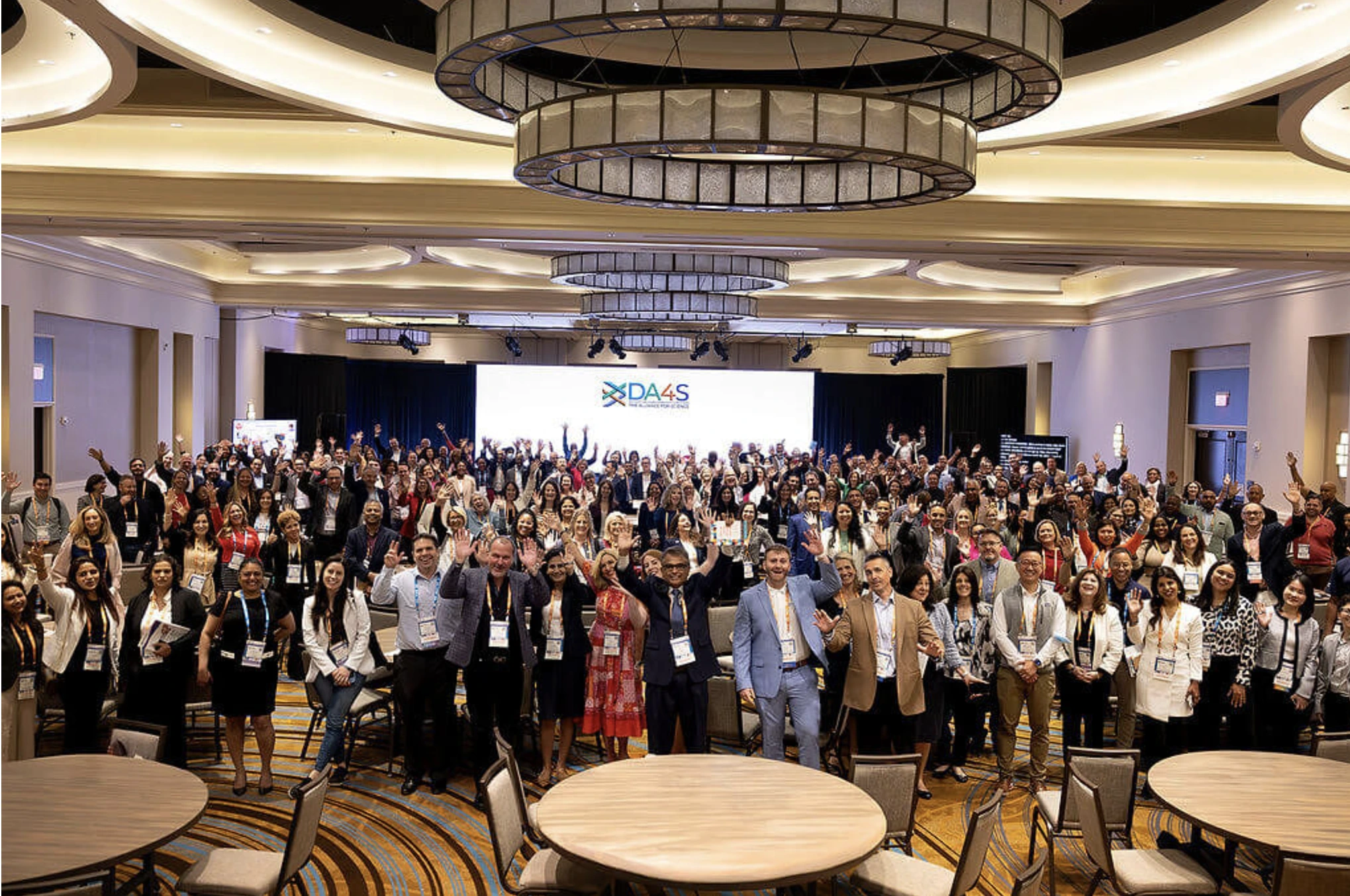
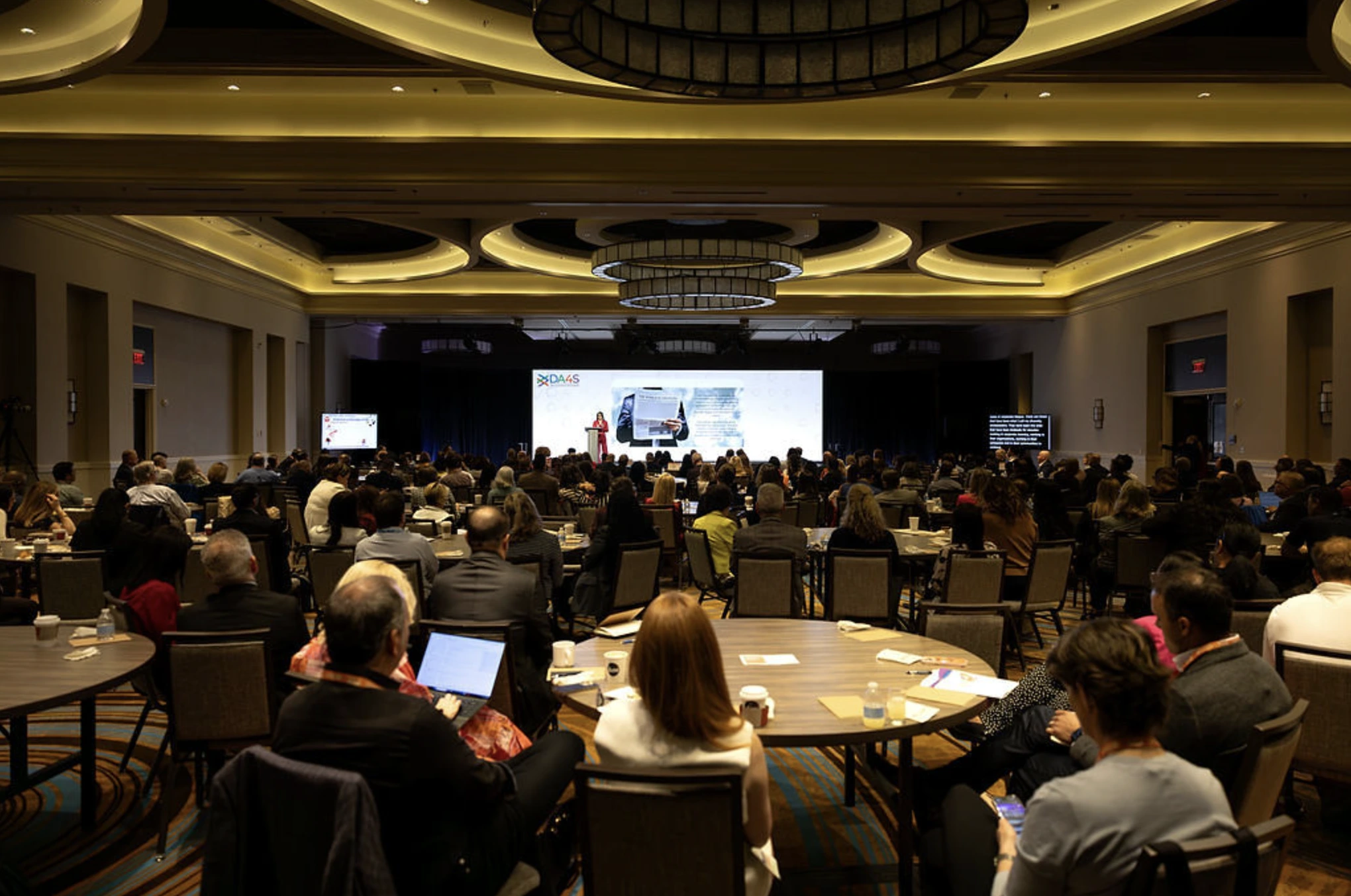
The Alliance for Science runs the Annual East Coast Conference at the Marriott Newark Airport Hotel in New Jersey. The organisation was known as the Diversity Alliance for Science, or DA4S, through 2025 and rebranded to Alliance for Science in 2026. Eighteen years running. Around 300 invitees. The room is pharmaceutical executives, CEOs of scientific and clinical enterprises, Life Sciences suppliers, and buyers looking to move procurement conversations forward in an intimate venue. This is not a large trade show. This is a high-stakes networking conference where every session, every roundtable, and every evening dinner reception has to land clean for suppliers and stakeholders who traveled to be there.
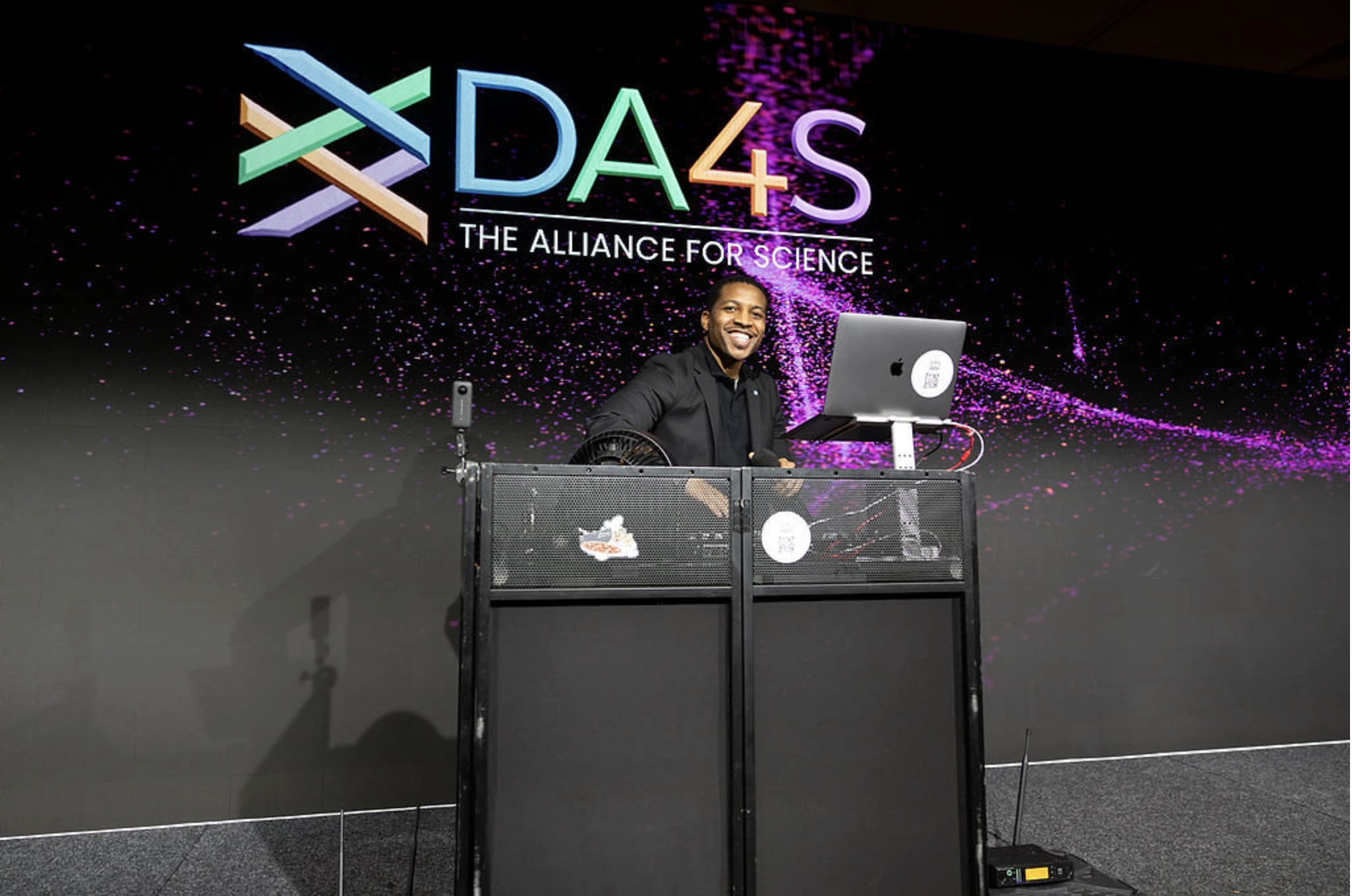
Second consecutive year hosting and DJing the East Coast Conference. Year one earned the rebook. Year two locked the pattern.
What I Did
The operator role across both years
- Conference emcee and host across keynote transitions, workshops, breakout sessions, and evening receptions
- DJ and music curation paced to a Life Sciences audience — professional tone during sessions, elevated energy during networking, celebration mode during supplier contract recognitions
- Program flow support for the DA4S team across a multi-day agenda with speakers, workshops, and roundtables
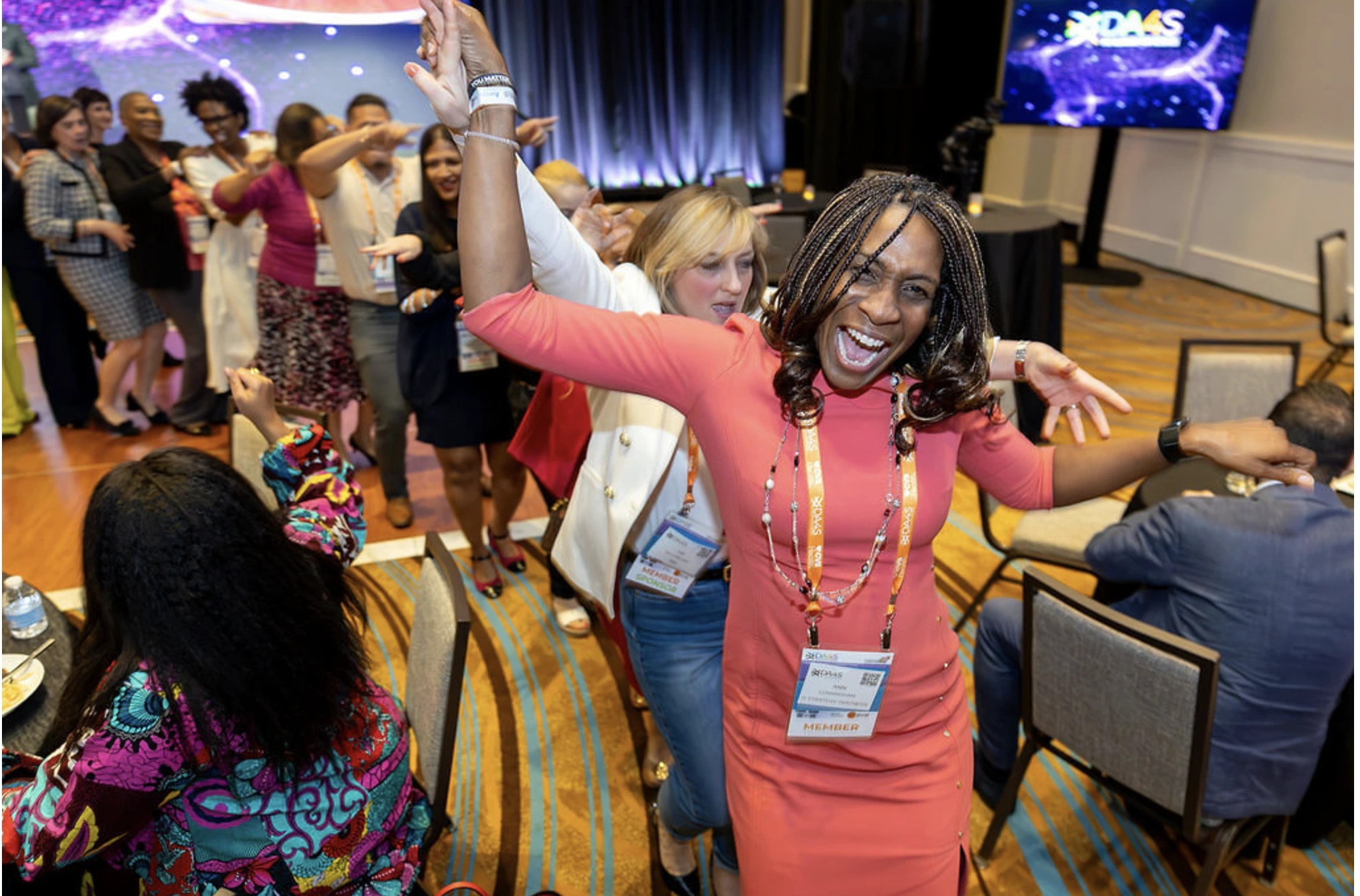
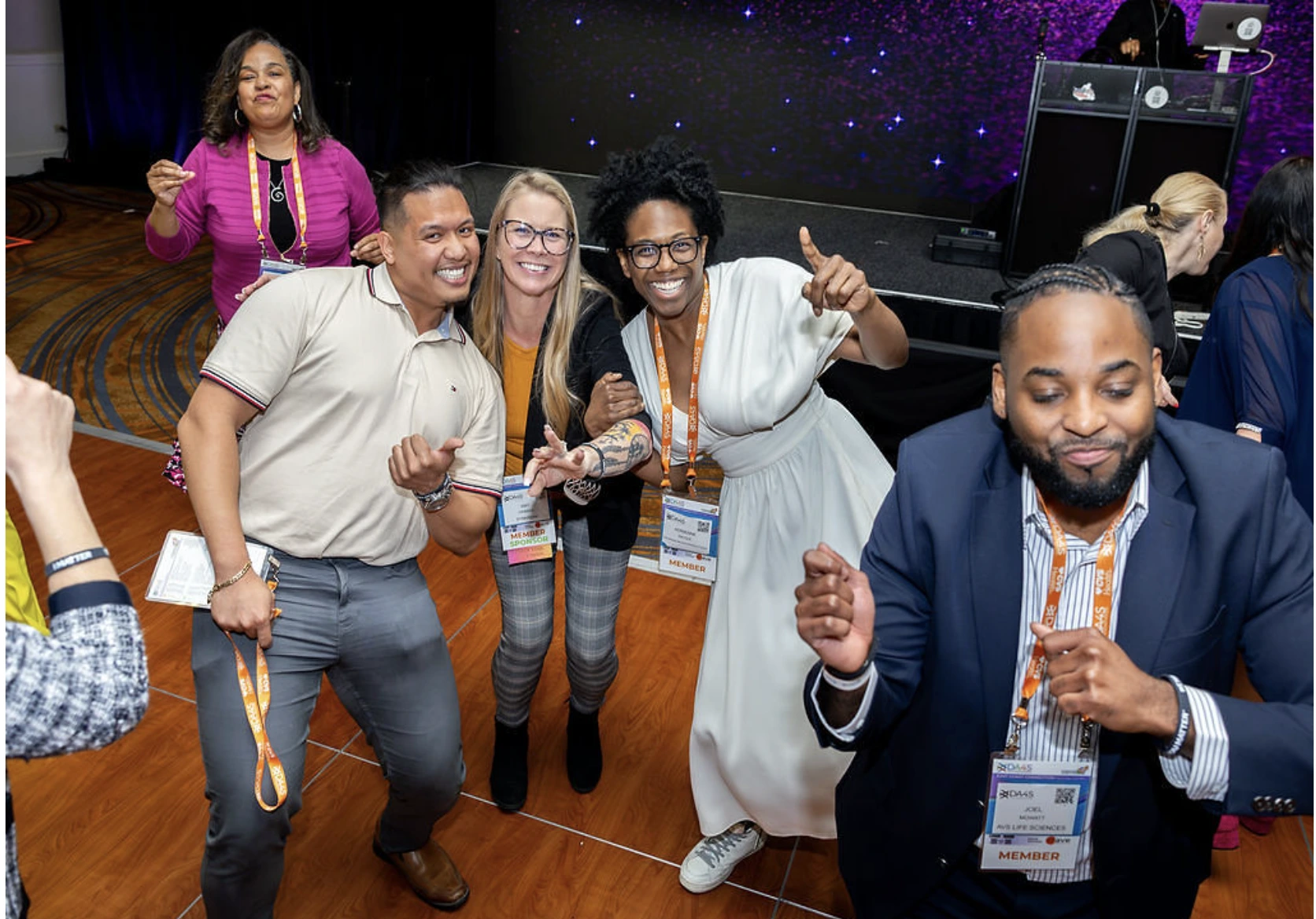
- Evening networking dinner reception hosting — the moment that turns a good conference into a memorable one
- Won-contract recognition announcements — one of the signature moments of the DA4S conference where suppliers who landed contracts get celebrated live
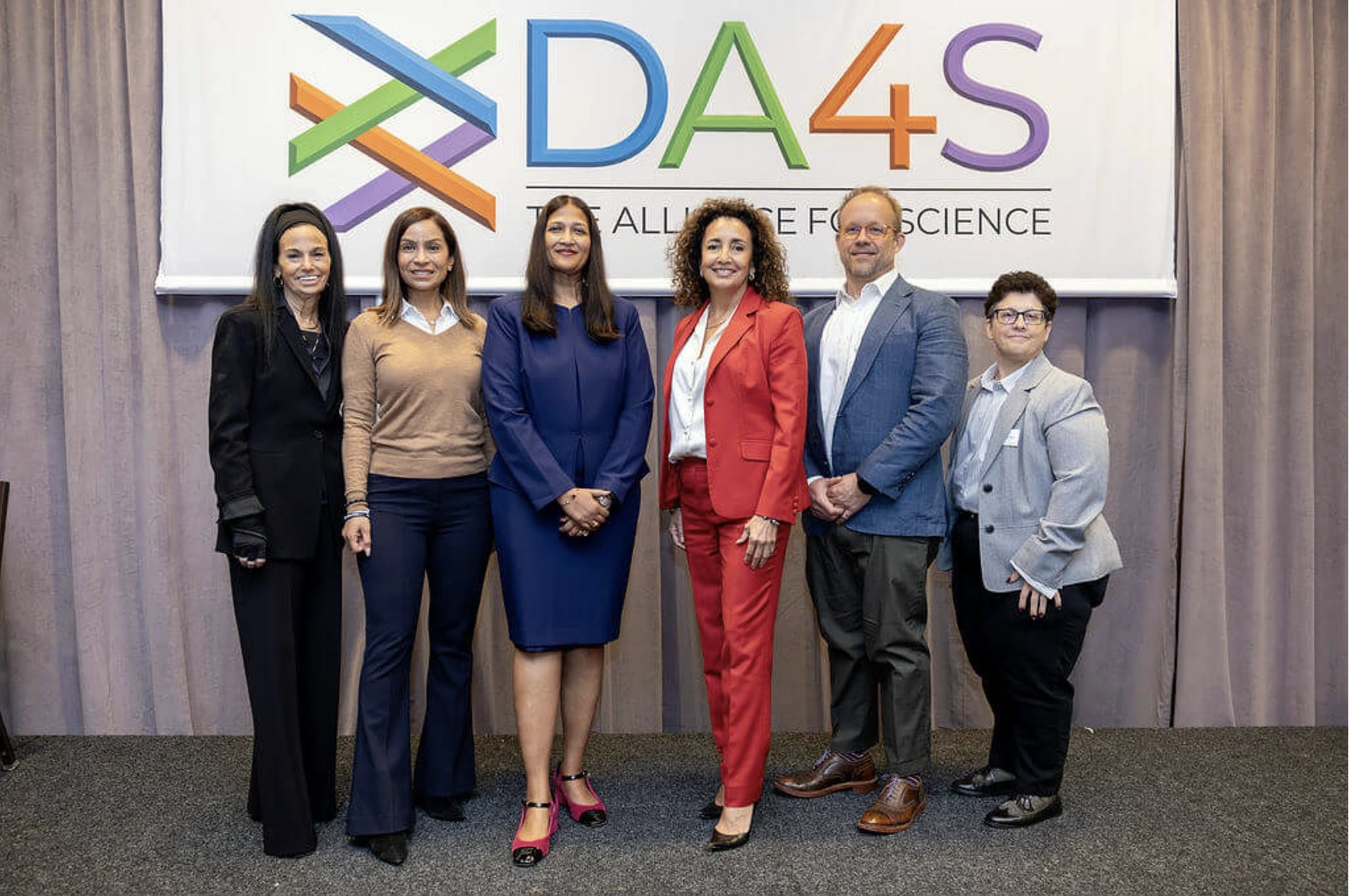
Event Photos
The Outcome
Life Sciences conferences do not hand the host mic to a vendor casually. Pharma stakeholders are used to a specific presentation register. When the operator holds that register across a full agenda without slipping into party-DJ mode, the conference keeps them for year two. DA4S kept the operator.
Why It Works
The DA4S East Coast Conference has one job. Move deals between Life Sciences suppliers and pharma / healthcare stakeholders in a 300-person intimate format. The operator on the mic is either supporting that goal every minute or getting in the way of it. Emcee tone matters. Music selection matters. Won-contract recognition timing matters. Evening reception energy matters.
The rebook from 2025 to 2026 is the case study. Eighteen years of conference programming and a nonprofit board that only keeps vendors who make the whole room work. That is the standard the operator meets.
Running an industry conference, association annual meeting, or executive networking program?
Emcee tone that reads professional. Music selection that reads industry-appropriate. Program flow that supports the deal-making happening in the room.
Request a Discovery CallWhy a Life Sciences Emcee Needs a Different Skill Set

A life sciences emcee is not running a sales rally or a product launch party — the room is full of researchers, policy staff, and scientific communicators who came for substance, not hype. At the Alliance for Science East Coast Conference, the job of the life sciences emcee was to keep a dense, multi-track scientific agenda moving on time while still making transitions feel human rather than robotic. That distinction is exactly why a life sciences emcee needs conference-floor timing instincts combined with enough command of the subject matter to introduce a geneticist or a policy panel without sounding out of place.
What This Life Sciences Emcee Actually Did On-Site
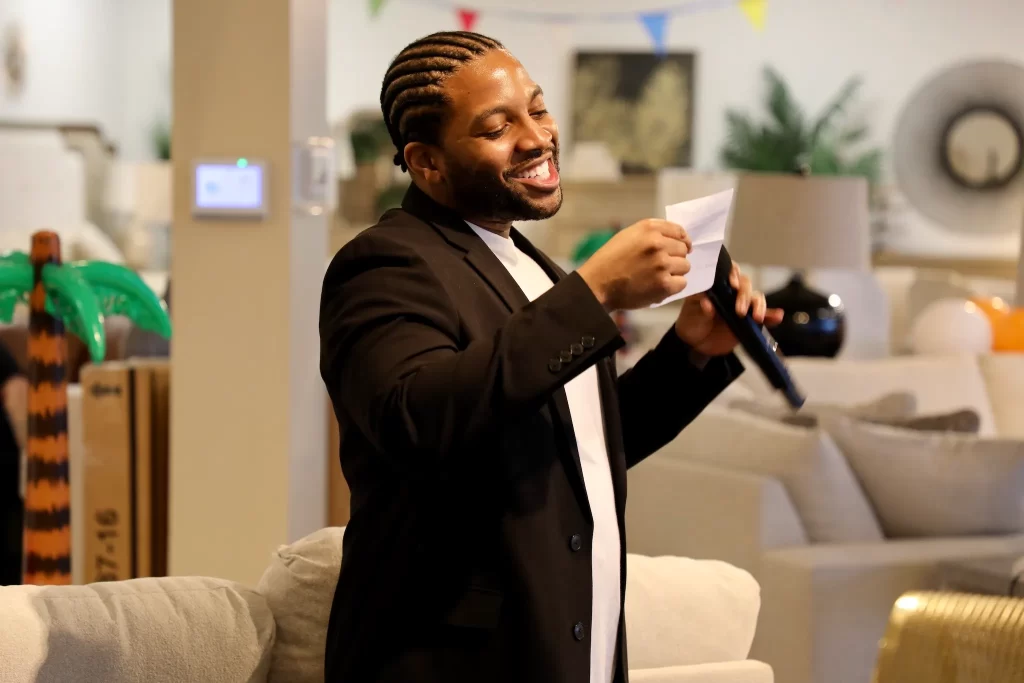
Across the Alliance for Science East Coast Conference, the life sciences emcee role covered session transitions, speaker introductions built from real bios rather than generic scripts, timing recoveries when panels ran long, and keeping attendee energy up between dense technical blocks. None of that requires a background in science — it requires a life sciences emcee who takes the prep call seriously, reads every speaker bio in advance, and treats the agenda like a live production rundown instead of a script to read cold. Choosing the right life sciences emcee early makes every later planning conversation easier.
Booking a Life Sciences Emcee for Your Conference
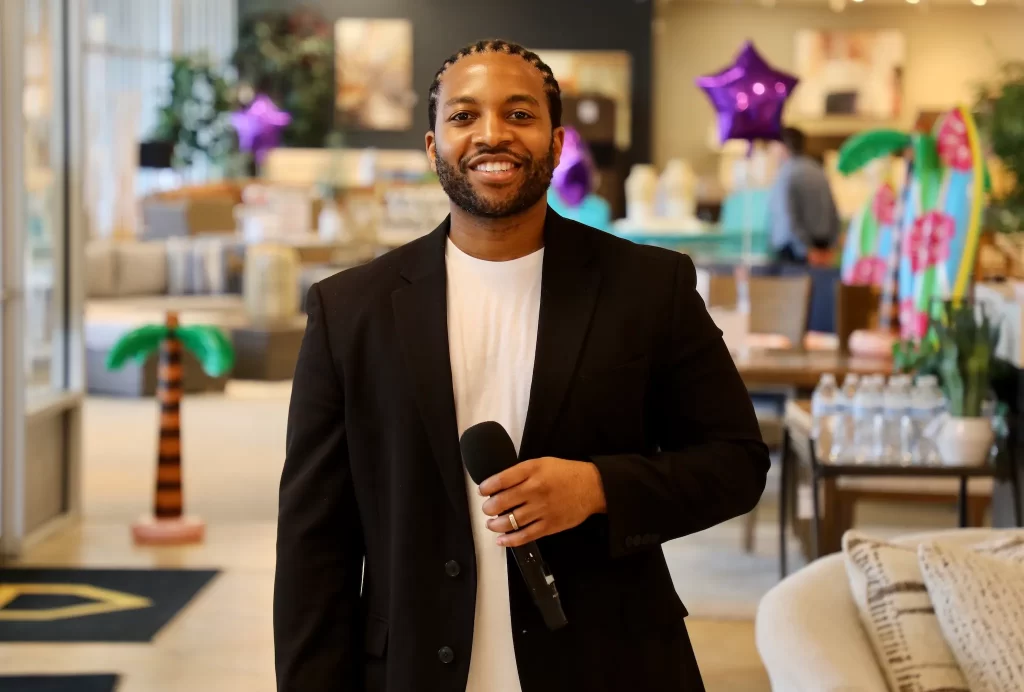
If you’re producing a scientific, medical, or policy conference and weighing whether a life sciences emcee is worth the investment over an internal staff member reading from a script, the honest answer is: it depends on how tight your agenda is and how much you need someone who can recover live when a speaker runs over. For more on how professional event hosting fits into a broader program, see this overview of the master of ceremonies role. To see this same approach applied to a different type of program, visit the sales kickoff DJ services page or browse the full corporate event case studies.
Why a Science-Focused Conference Needs a Different Kind of Life Sciences Emcee
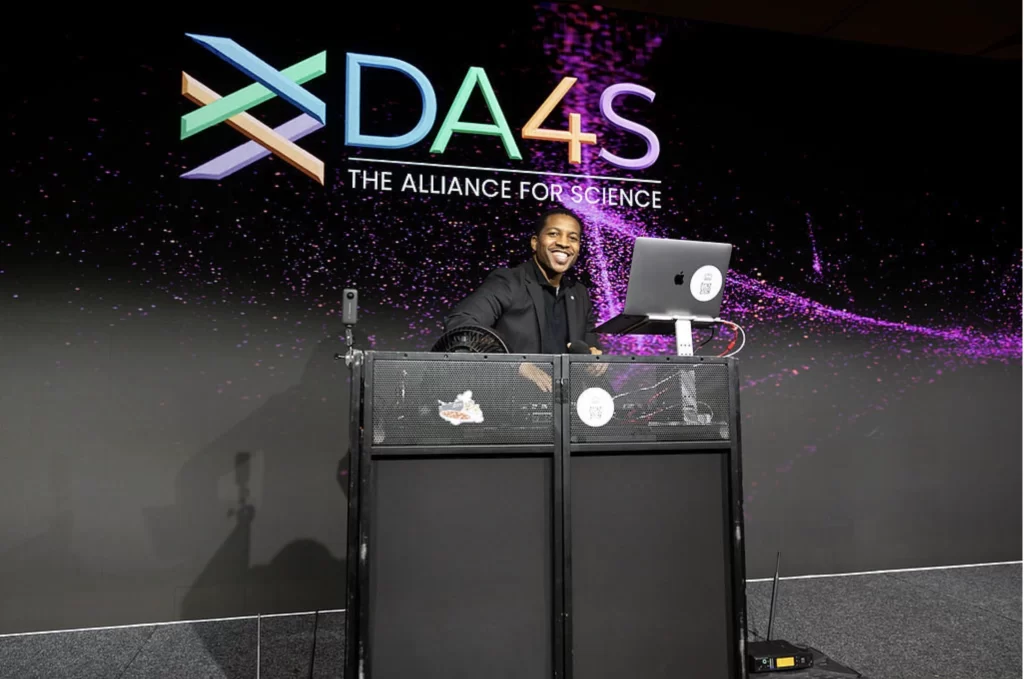
Hosting a room full of scientists, researchers, and policy advocates requires a fundamentally different approach than hosting a typical corporate sales event. The audience is intellectually rigorous, often skeptical of anything that feels overly polished or performative, and quick to disengage from content that doesn’t respect their expertise. A life sciences emcee working this kind of event needs genuine familiarity with the subject matter, not just generic hosting skills applied to an unfamiliar topic.
This matters because the tone that works for a sales kickoff can badly misfire in a scientific or policy-focused setting. Overly hyped delivery, generic corporate enthusiasm, or a failure to accurately reference the actual content of the conference can immediately undermine credibility with an audience that values precision and substance over showmanship. Getting this balance right requires real preparation specific to the subject matter, not a one-size-fits-all hosting style.
Preparing to Host a Room of Subject-Matter Experts
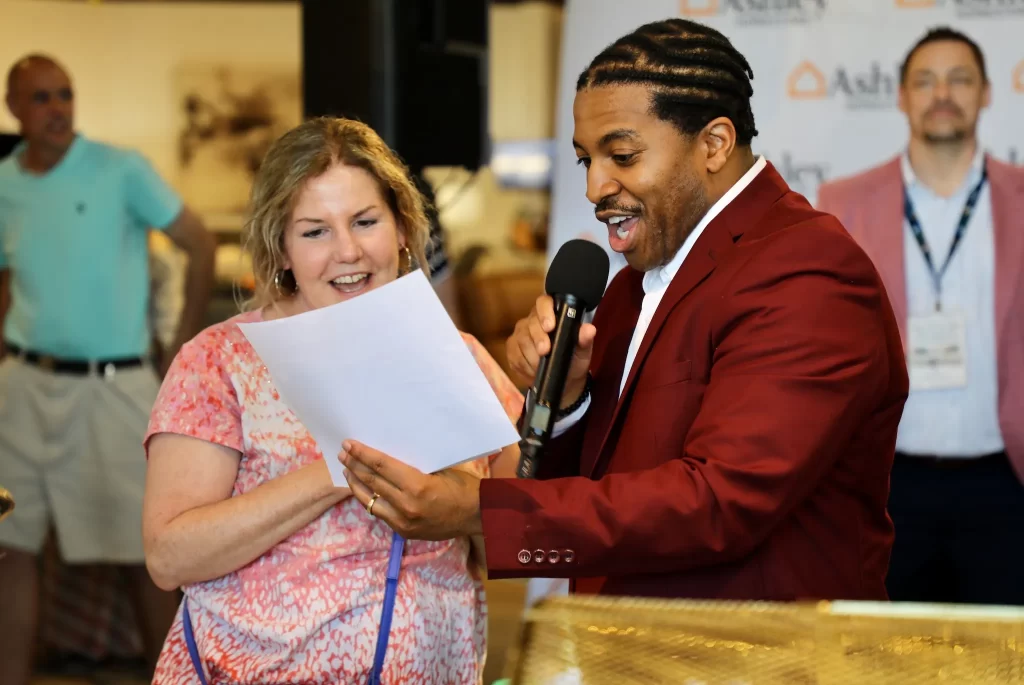
Preparation for this kind of event goes well beyond memorizing a run of show. It means actually reading through speaker bios, understanding the core themes of the conference agenda, and being conversant enough in the subject matter to introduce sessions accurately and respond intelligently to unexpected moments on stage. A life sciences emcee who has done this homework comes across as a credible part of the program rather than an outside presence layered on top of it. That’s the standard a life sciences emcee should be held to on any stage.
This level of preparation also builds trust with speakers themselves, many of whom are used to being introduced by hosts who clearly haven’t read their bio beyond the headline. A thoughtful, accurate introduction that reflects real understanding of a speaker’s specific contribution to the field sets a noticeably more professional tone for their session and for the event as a whole.
Balancing Energy With Scientific Credibility
A common misconception is that a more serious, expert audience needs a flat, low-energy hosting style to match the seriousness of the subject matter. In practice, the opposite tends to be true: even scientific and policy-focused audiences respond well to genuine energy and warmth, as long as it’s channeled appropriately and doesn’t undercut the substance of the actual content. The skill lies in matching enthusiasm to moments that call for it — a genuinely exciting research announcement, a well-earned round of recognition — without forcing that same energy onto content that calls for a more measured tone.
Reading the room accurately, session by session, is what separates an effective life sciences emcee from one who applies the same energetic delivery regardless of context. This calibration comes from experience working with similar audiences repeatedly, developing an instinct for which moments call for genuine excitement and which call for a quieter, more respectful tone that lets the content speak for itself.
Handling Q&A Sessions With Genuine Expertise
Question and answer segments at scientific and policy conferences often move in unpredictable directions, with audience members raising highly technical points or challenging a speaker’s conclusions directly. Managing this kind of exchange well requires enough subject-matter fluency to facilitate a substantive discussion, keep the conversation productive, and know when to redirect if a single audience member is monopolizing time that other attendees deserve access to as well. It’s the kind of judgment call a life sciences emcee has to make in real time.
This is another area where generic hosting experience alone falls short. Facilitating a genuinely technical exchange between a speaker and an engaged, knowledgeable audience member requires enough comfort with the subject matter to know when a question is moving the discussion forward productively versus when it’s time to gracefully transition to the next topic or the next questioner in line.
Coordinating With Conference Organizers Around Sensitive Topics
Science and policy conferences frequently touch on topics that carry political or social sensitivity, and navigating these moments requires close coordination with organizers well before the event begins. Understanding which topics are likely to generate strong reactions, how the organizing team wants those moments handled on stage, and where the boundaries of appropriate commentary lie are all conversations worth having explicitly during pre-event planning rather than improvising in the moment.
This kind of advance coordination protects both the event and the host from awkward or damaging moments that could otherwise arise from a misjudged comment or an unprepared response to an unexpected question from the audience. Conference organizers consistently appreciate a host who takes this preparation seriously rather than treating it as an afterthought. Organizers notice the difference a prepared life sciences emcee makes within the first few minutes.
Why This Approach Translated Into a Successful Partnership
The combination of genuine subject-matter preparation, calibrated energy appropriate to a scientific audience, and careful coordination with organizers around sensitive content is what allowed this particular conference to run smoothly across its full multi-day format. Attendees consistently commented on how seamlessly the hosting integrated with the substantive content, rather than feeling like an unrelated layer of entertainment placed on top of a serious program.
This kind of outcome doesn’t happen by accident. It reflects a deliberate approach to preparation and audience awareness that treats each conference as its own unique challenge rather than applying a standard hosting template regardless of the specific audience and subject matter involved.
Frequently Asked Questions
How much advance preparation is needed for a science-focused conference? Several weeks of review time is typical, including reading speaker bios, understanding the agenda’s key themes, and coordinating with organizers on any sensitive topics likely to come up. That balance is the real skill a life sciences emcee has to master.
Does the host need a scientific background? A formal scientific background isn’t required, but genuine intellectual curiosity and a willingness to do thorough preparation are essential for credibly engaging with this kind of audience.
How is this different from hosting a typical corporate event? The pacing, tone, and depth of preparation all shift toward substance and precision rather than high-energy entertainment, though genuine warmth and engagement still matter throughout.
What This Means for Organizations Planning Similar Events
Organizations planning conferences that bring together researchers, policy advocates, or other subject-matter experts should weigh hosting experience specific to that kind of audience just as carefully as they weigh a speaker’s credentials or a venue’s capacity. The wrong fit here isn’t just a missed opportunity for polish — it can actively undermine the credibility of an event built around serious, substantive content.
Ask any potential host directly about their experience with similar audiences, request specific examples of how they’ve prepared for technical or policy-focused content in the past, and gauge their genuine curiosity about the subject matter itself. A host who asks thoughtful questions about your event’s content during the initial conversation is generally a much stronger signal than one who focuses only on logistics and timing.
The investment in finding the right fit pays off directly in how the event is received by the audience that matters most — the experts, advocates, and stakeholders in the room who can immediately tell the difference between a host who understands their world and one who’s simply reading from a generic script. A seasoned life sciences emcee treats that transition as part of the job, not an afterthought.
This particular partnership reflects exactly that kind of alignment between preparation, genuine curiosity about the subject matter, and respect for an audience that expects substance over showmanship, and the results across the full multi-day conference bore that out consistently.
Conferences bringing together researchers, advocates, and policy leaders occupy a unique space in the broader landscape of professional events. They demand a level of substantive engagement that a purely entertainment-focused approach can’t provide, while still benefiting from genuine warmth, energy, and human connection that keeps a multi-day program from feeling like a dry academic exercise. Finding a host who can genuinely deliver both is worth the extra diligence it takes during the selection process.
For organizations planning their own version of this kind of event, the lesson from this partnership is straightforward: prioritize genuine preparation and subject-matter curiosity over generic hosting polish, and the payoff shows up clearly in how seriously your audience takes the entire program from opening remarks through closing session. It’s a small detail, but it’s the kind of thing a good life sciences emcee accounts for.
What does a life sciences emcee cost for a multi-day conference? A life sciences emcee’s rate typically reflects event length, prep time, and travel, with multi-day scientific and policy conferences priced higher than a single afternoon session because of the additional research and agenda review involved.
How do I book a life sciences emcee for a biotech or pharma conference? Booking a life sciences emcee starts with a conversation about the agenda, speaker list, and audience makeup, followed by several weeks of prep so the host can speak knowledgeably about the science before walking on stage.
What makes a good life sciences emcee different from a general corporate host? A skilled life sciences emcee brings genuine intellectual curiosity to technical material, adjusts pacing for dense scientific content, and respects the audience’s expertise instead of defaulting to generic corporate energy that falls flat in a room full of researchers. That kind of preparation is exactly what a life sciences emcee brings to the stage.
Can a life sciences emcee handle policy-focused sessions alongside scientific ones? Yes, an experienced life sciences emcee can move between scientific presentations and policy discussions in the same conference, adjusting tone and vocabulary as the agenda shifts from lab research to regulatory or advocacy conversations.
Does a life sciences emcee work for virtual or hybrid science conferences? A life sciences emcee can host virtual and hybrid formats, managing remote Q&A, keeping in-person and online attendees engaged together, and pacing transitions so neither audience feels like an afterthought.
How far in advance should I book a life sciences emcee? Most organizers book a life sciences emcee several weeks to a few months ahead of a scientific or policy conference, which gives enough runway for agenda review, speaker bio research, and coordination on any sensitive topics.
What size audience can a life sciences emcee manage? A life sciences emcee can run rooms from small scientific roundtables up to conferences of 500 or more attendees, adjusting energy and pacing to match the scale and formality of the event.
Is a life sciences emcee available outside the East Coast? While this case study covers an East Coast conference, a life sciences emcee experienced in scientific and policy events is available for engagements nationwide, with travel and logistics handled as part of the booking process.
If your organization is planning a similar conference and wants to discuss how this kind of approach might apply to your specific event, a direct conversation is the fastest way to get a clear, honest sense of fit before committing to any particular direction.
Thank you for reading through this account of how careful preparation and genuine subject-matter respect came together to support a successful multi-day scientific and policy conference.
Every detail described here reflects a genuine commitment to matching the tone and depth of an event to the audience it’s actually built for, rather than applying a generic approach and hoping it lands well regardless of context.
That kind of thoughtful matching between host and audience is available for any organization willing to invest a little extra time in the selection process, and the difference it makes is immediately visible to everyone in the room from the very first session.
Here’s to every future conference finding that same right fit between host and audience, and to the substantive conversations that follow when it does.
Reach out whenever you’re ready to talk through what a similar approach could look like for your own event.
Thanks again for reading, and best of luck with whatever conference or event you’re planning next.
Frequently Asked Questions About Booking a Life Sciences Emcee
Organizations planning a scientific or medical conference often have the same short list of questions before they book a life sciences emcee. Here are the ones that come up most often.
What makes a life sciences emcee different from a general conference host? A life sciences emcee has to carry working fluency in scientific terminology, regulatory context, and the specific concerns of a research or biotech audience, not just stage presence and a good microphone voice. That difference shows up the moment a Q&A session runs long or a panelist references a study the room already knows.
How far in advance should we book a life sciences emcee? Most life sciences organizations book their emcee eight to twelve weeks before the event, which leaves enough time for a briefing call on the agenda, speaker list, and any sensitive topics the emcee needs to navigate on stage.
Can a life sciences emcee handle live Q&A with subject-matter experts? Yes, that is one of the core reasons organizations hire a dedicated life sciences emcee instead of a generalist. Fielding audience questions for a room full of scientists, physicians, or policy experts requires enough command of the material to keep the conversation moving without oversimplifying it.
Does a life sciences emcee need a formal science background? Not necessarily a degree, but a life sciences emcee does need genuine preparation time with the source material, briefing documents, and speaker abstracts well before the event, so the credibility on stage is earned rather than assumed.
What size events is a life sciences emcee best suited for? A life sciences emcee can work equally well for an intimate 50-person research symposium or a 500-plus attendee conference, since the core skill set, holding scientific credibility while keeping energy and pacing on track, scales with the room rather than being tied to headcount.
How is pricing structured for a life sciences emcee? Pricing for a life sciences emcee typically reflects event length, prep time required for technical material, and travel, rather than a flat day rate. Organizations get the clearest answer by sharing their agenda and speaker list up front so the scope is accurate from the first conversation.