There is no reliable public benchmark for corporate event entertainment spend by industry. Anyone publishing a precise table of what pharmaceutical companies spend versus what technology companies spend is either surveying a tiny sample or making it up, and we are not going to add to that.
“Was at a corporate event, and DJ Reese made it feel like a party! I was moving my feet the whole time, and it made the whole thing way more fun. HIGHLY recommend.”
, Stephanie Kim, verified client review
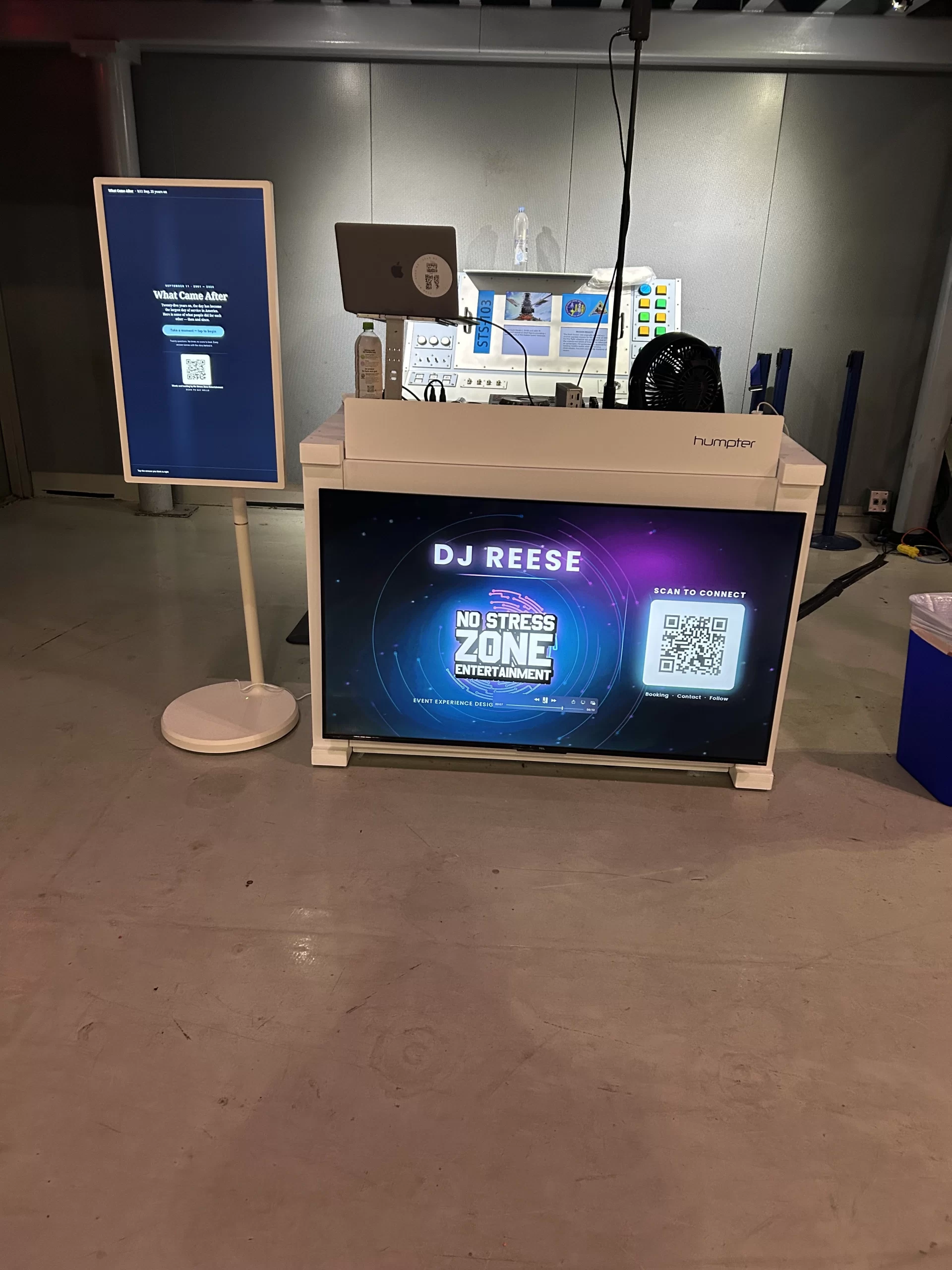
5.0 from 121 Google reviews. Learn more about our corporate event DJ services.
There is no reliable public benchmark for corporate event entertainment spend by industry. Anyone publishing a precise table of what pharmaceutical companies spend versus what technology companies spend is either surveying a tiny sample or making it up, and we are not going to add to that.
What we can give you is honest: the ranges we quote, what actually drives a number up or down, and how to build a benchmark inside your own organization that is worth more than any published figure.
Pricing disclaimer: Figures on this page are general planning estimates, not a binding quote. Final pricing depends on your event’s date, location, duration, and scope, and is confirmed in writing before booking. See our Editorial Policy and Terms of Service for details.
Our range, and what moves it
Single day corporate work runs $5,000 to $8,000 depending on hours and scope. Within that range, the things that actually move the number are:
- Hours on site, including load in and strike, which is usually three to five hours beyond the event itself.
- Whether emcee duties and run of show ownership are included or whether you are buying music only. This is the single largest swing.
- Equipment scale. A ballroom of 500 needs more coverage than a room of 80, and outdoor or multi zone events need more again.
- Whether the venue supplies usable audio or we are bringing everything.
- Travel and accommodation outside our home corridor.
- Any custom build, such as an audience engagement app, which is scoped separately because it is development work.
Where industry actually matters, and where it does not
Industry affects the brief more than it affects the price. What changes by sector is what the event has to do, and that changes the scope, which is what you are really paying for.
- Regulated sectors such as financial services, pharmaceutical and medical education need approved language, compliance review and more planning time. That is scope, not a sector premium.
- Recognition heavy sectors such as insurance and direct sales need long awards blocks with verified names and tiered production. More stage time and more preparation.
- Technology and user conferences need rehearsed keynote cues and hybrid audio. More technical coordination.
- Nonprofit events need visible restraint, and most vendors including us have nonprofit rates.
- Energy, industrial and field heavy organizations often need remote venues and travel, which shows up as logistics rather than fee.
So when somebody tells you that a given industry spends more, what they usually mean is that the events in that industry require more.
Build your own benchmark, which is the only one worth having
Three events is enough to start. Record for each one:
- Total entertainment and hosting spend.
- Headcount, so you have a per attendee figure.
- What was in scope: music only, or hosting and run of show, or a full day with recognition.
- Hours actually delivered, not hours contracted.
- Whether the venue supplied audio.
- One line on whether the event achieved what it was for.
After three events you can compare a quote against your own history, which is the comparison that matters. After a year you can tell your leadership what your organization actually spends and what it gets, which no published benchmark can do for you.
The number most planners should watch
Not total spend. Spend per attendee, segmented by event type. A $6,000 booking for 80 executives and a $6,000 booking for 800 employees are completely different decisions, and total spend hides that.
The second number worth tracking is what share of the entertainment budget went to redundancy and planning rather than to performance hours. If that share is near zero, you are buying hours and hoping, and the first visible failure will cost more than the saving.
How to sanity check a quote
- Ask what is included beyond performance hours. If planning, redundancy and run of show are not in there, the quote is not comparable to one that includes them.
- Ask what the overtime rate is and who approves it. A cheap quote with punishing overtime is not cheap.
- Ask whether travel is inside or on top.
- Ask whether the person quoted is the person performing.
- Compare at least three, and compare scope before price.
Questions we get
Can you give us a figure for our industry
We can give you a figure for your event, which is more useful. Send the brief and you will get a real number rather than a category average.
Is there a rule of thumb as a percentage of total event budget
People quote them and we do not trust them, because they ignore whether the entertainment is doing the hosting job or only the music job. Scope first, then price.
Do you publish your rates
We publish the range and we quote the event. Anyone publishing a single flat price is either quoting a very narrow scope or will change the number when they see your brief.
Next step
Send us the brief and we will quote it plainly, with what is included spelled out so you can compare it to anything else on your desk.
Frequently Asked Questions
What should you plan for first with this type of event?
Single day corporate work runs $5,000 to $8,000 depending on hours and scope. Within that range, the things that actually move the number are: Hours on site, including load in and strike, which is usually three to five hours beyond the event itself.
What’s the most common mistake to avoid?
Industry affects the brief more than it affects the price. What changes by sector is what the event has to do, and that changes the scope, which is what you are really paying for.
What actually matters most on the day?
Three events is enough to start. Record for each one: Total entertainment and hosting spend.