If you have booked talent through a speaker bureau or an entertainment agency, there is a commission in the number you were quoted. There is nothing wrong with that and it is how the industry works. What is worth understanding is where the money goes, what it buys you, and when going direct is better.
“We’ve used No Stress Zone Entertainment for multiple corporate events, and DJ Reese consistently brings incredible energy and good vibes. Everyone always has a great time, and he’s wonderful to work with from start to finish. Professional, engaging, and reliable, highly recommend!”
, Ariane Sirizzotti, verified client review
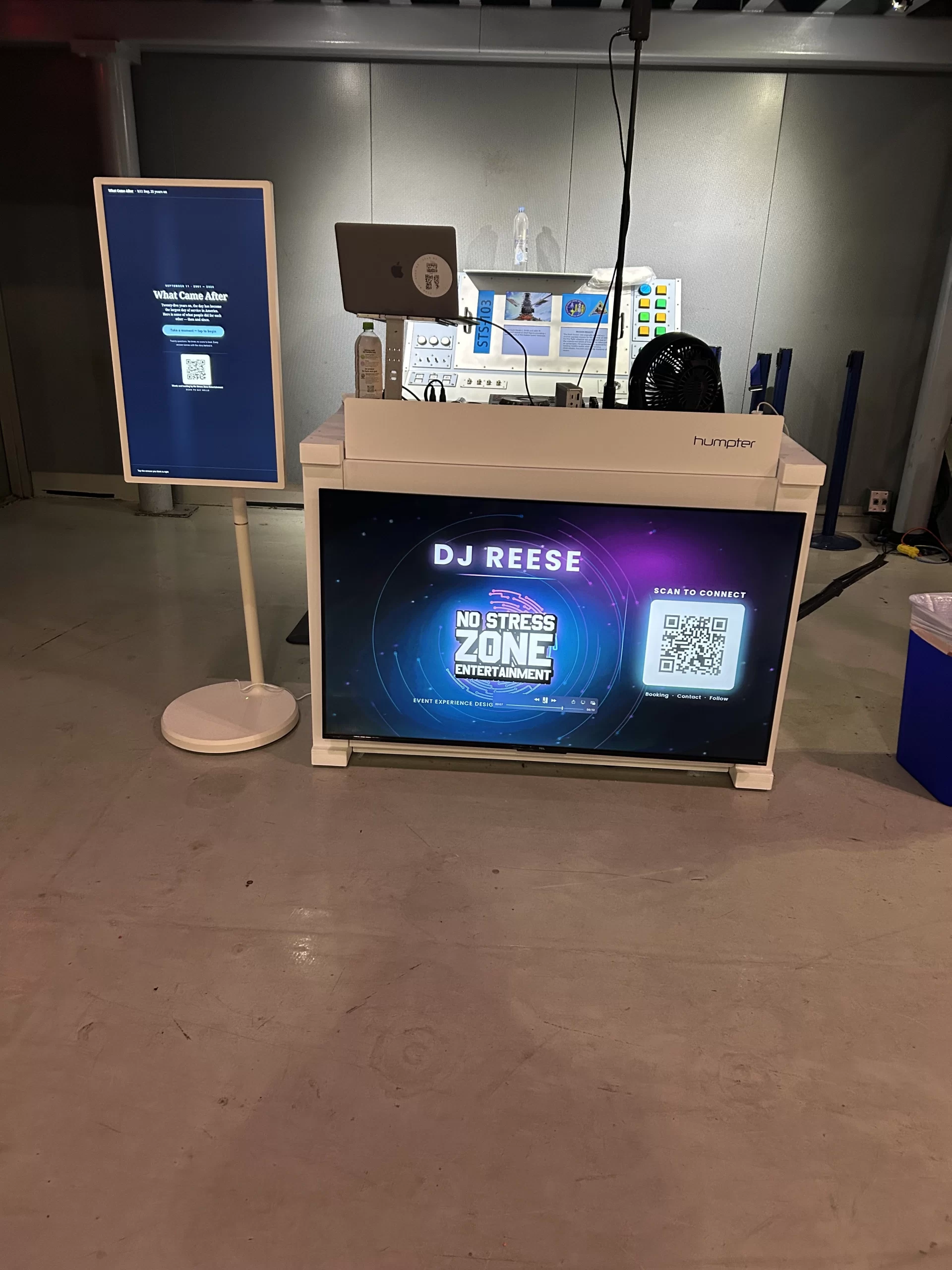
5.0 from 121 Google reviews. Learn more about our corporate event DJ services.
If you have booked talent through a speaker bureau or an entertainment agency, there is a commission in the number you were quoted. There is nothing wrong with that and it is how the industry works. What is worth understanding is where the money goes, what it buys you, and when going direct is better.
We are a direct booking, so read this knowing we benefit from planners understanding the difference. We are also going to tell you when a bureau is the right call.
How the money actually flows
Two common structures, and which one you are in changes the conversation.
- Commission on top. The talent fee is X, the bureau adds its percentage, and you pay the total. You can usually see both numbers if you ask.
- Commission inside. You are quoted one number and the bureau takes its share out of it. The talent receives less than you paid and you may never see the split.
Neither is dishonest. But if you are negotiating and you do not know which structure you are in, you do not know whether you are negotiating against the talent fee or against the commission, and those move very differently.
Ask directly: is your fee inside or on top of this number. A reputable bureau will answer.
What a bureau genuinely adds
- Discovery. If you need a keynote on a specific subject and you do not know who exists, that is real work and worth paying for.
- Vetting. A bureau that has placed someone fifty times knows how they perform, which you cannot learn from a website.
- Contracting and logistics. Travel, riders, payment, insurance, all handled by someone who does it constantly.
- Recourse. If the talent cancels, the bureau has other talent and an incentive to solve your problem fast. A direct booking with a solo operator does not have that bench.
- Procurement compatibility. Some large organizations find it easier to contract one agency than twelve individuals, and that is a legitimate reason on its own.
When direct is better
- You already know exactly who you want. You are paying a discovery fee for discovery that already happened.
- You are rebooking someone. The relationship exists and the second booking is where the commission stops adding value.
- You want the performer in the planning process. Direct access to the person means the planning calls happen with them rather than through an intermediary.
- Your budget is tight enough that the commission is the difference between booking well and booking down.
- The scope is likely to change. Iterating through a third party costs days.
The exclusivity question
Some agreements restrict a planner from booking the same talent directly for a period after a bureau introduction. That is reasonable, since the bureau did the discovery, and it is worth reading before you sign so that a rebooking two years later does not become an awkward conversation.
The reverse also exists. Some talent is exclusive to an agency and cannot be booked direct at all. Asking early saves everyone time.
What this means for the planning, not just the price
The part planners underweight is access. Whoever is holding your microphone needs to have talked to you, read your run of show, and verified your names. When those conversations route through an account manager, detail is lost, and detail is what makes an event look effortless.
If you book through a bureau, insist on direct planning calls with the performer as a condition. Most will agree. A booking where you never speak to the person until the day is a booking with a preparation gap in it.
How we work
We are a direct booking. You speak to the person who will be at your event, the planning calls are with us, and there is no commission layer in the number.
We also work with agencies and production companies, and we are straightforward about it. If your organization prefers to contract through one, that is workable and we will say so rather than pushing you into a structure your procurement team does not want.
Questions we get
Is a bureau booking more expensive
Usually, for the same talent. Whether it is worth it depends on how much of the discovery, vetting and logistics you would otherwise do yourself.
Can we negotiate the commission
Sometimes, particularly on multiple bookings or a multi year relationship. You cannot negotiate what you have not been told exists, which is why the inside or on top question matters.
Should we tell the bureau we are also looking direct
Yes. It is a normal procurement practice and a professional bureau expects it.
Next step
If you are comparing a direct quote against a bureau quote, send us both scopes and we will tell you plainly what is different about them beyond the number.
Frequently Asked Questions
What should you plan for first with this type of event?
Two common structures, and which one you are in changes the conversation. The talent fee is X, the bureau adds its percentage, and you pay the total.
What’s the most common mistake to avoid?
If you need a keynote on a specific subject and you do not know who exists, that is real work and worth paying for. A bureau that has placed someone fifty times knows how they perform, which you cannot learn from a website.
What actually matters most on the day?
You already know exactly who you want. You are paying a discovery fee for discovery that already happened.