A sales kickoff music program is a document, not a playlist. It says what plays at every point in the day, who it is for, and why. Built properly it is about two pages and it is the difference between a day that feels designed and a day that feels like somebody pressed shuffle between segments.
“Was at a corporate event, and DJ Reese made it feel like a party! I was moving my feet the whole time, and it made the whole thing way more fun. HIGHLY recommend.”
, Stephanie Kim, verified client review
A sales kickoff music program is a document, not a playlist. It says what plays at every point in the day, who it is for, and why. Built properly it is about two pages and it is the difference between a day that feels designed and a day that feels like somebody pressed shuffle between segments.
Here is what goes in ours.
Walk on songs, assigned by person
Every leader who takes the stage gets a walk on, chosen for them rather than pulled from a generic list. This costs one question in a planning call and it is the highest return item in the whole document.
- Ask each presenter for a song. Most have an answer immediately and are pleased to be asked.
- Keep each walk on to a defined length, usually 12 to 20 seconds, cut at a point that lands rather than fading out.
- Check lyrics properly. A song everyone knows from the chorus can have a verse that does not belong in a company meeting.
- Assign a different song to each person. Two leaders sharing a walk on reads as an oversight.
- Write down where each person will be sitting, because the walk length determines the cut point.
The energy map
Draw the day as a line before you choose a single track. Where does the room need to be lifted, where does it need to settle for content, and where is the hardest hour.
For most kickoffs the map is: strong but not peak at the open, settled through late morning when the heaviest content lands, an intervention right after lunch, a lift into recognition mid afternoon, and a real peak at the close. The post lunch hour is the one that needs the most deliberate treatment and usually gets the least.
What plays in the gaps
The gaps are most of the day and they are what the document is actually for.
- Doors and arrivals, roughly 30 minutes, building slowly. This sets whether the day feels organized before anyone says a word.
- Breaks, with a defined return cue that people learn to recognize by the second break.
- Room resets and technical pauses, with something ready rather than silence.
- Lunch, at conversation level, because the room is networking and that is productive.
- The gap between a segment ending and the next presenter reaching the microphone, which is eight to twelve seconds and is the most commonly unowned moment of the day.
Reveal and number cues
If targets go on a screen, if there is a product reveal, if the top performer is announced, each of those has a cue that must be rehearsed against the visual. The build has to resolve when the thing appears, not before it.
And the honest note: if the number is difficult, do not build into it. A large production build into bad news makes the news worse. Ask leadership how it is going to land and take the answer seriously.
Recognition music
The awards portion of a kickoff needs its own small set of cues: an arrival bed, a walk on that is consistent across recipients at the same tier, something different for the top tier, and an applause window before the next name. Consistency within a tier and difference between tiers is what makes the hierarchy audible.
The evening
The reception is the same audience eight hours further into their day and they have just been given a number for the year. They want release and each other, not another program.
So the evening starts lower than instinct suggests and builds. A room that has been seated since 8am needs a few songs to remember it has a body, and pushing at full volume immediately produces an empty floor and a crowd at the bar.
Licensing, briefly
Playing recorded music at a corporate event has licensing implications that usually sit with the venue rather than with you, because most hotels and conference centers hold blanket licenses. It is worth confirming with your venue rather than assuming, particularly at non traditional spaces. We are not lawyers and this is not legal advice.
Questions we get
Can we just send a Spotify playlist
You can, and it will be a playlist rather than a program. What it will not do is cover the gaps, cut a walk on at the right moment, or change when the room tells you to.
Who chooses the music for our sales kickoff?
You choose the walk ons and the songs that matter to specific people. We build everything around them and we adjust live based on what the room does, which is the part a document cannot specify.
How far in advance do you need this
Walk on requests go out with the presenter briefings, about three weeks out. The rest of the document comes together with the run of show.
Next step
Send us your kickoff agenda and your presenter list and we will send back the energy map and the questions to ask each leader. Most corporate events book us 60 to 90 days out.
Real Proof: The Music Program Behind RMS Sales Kickoff 2
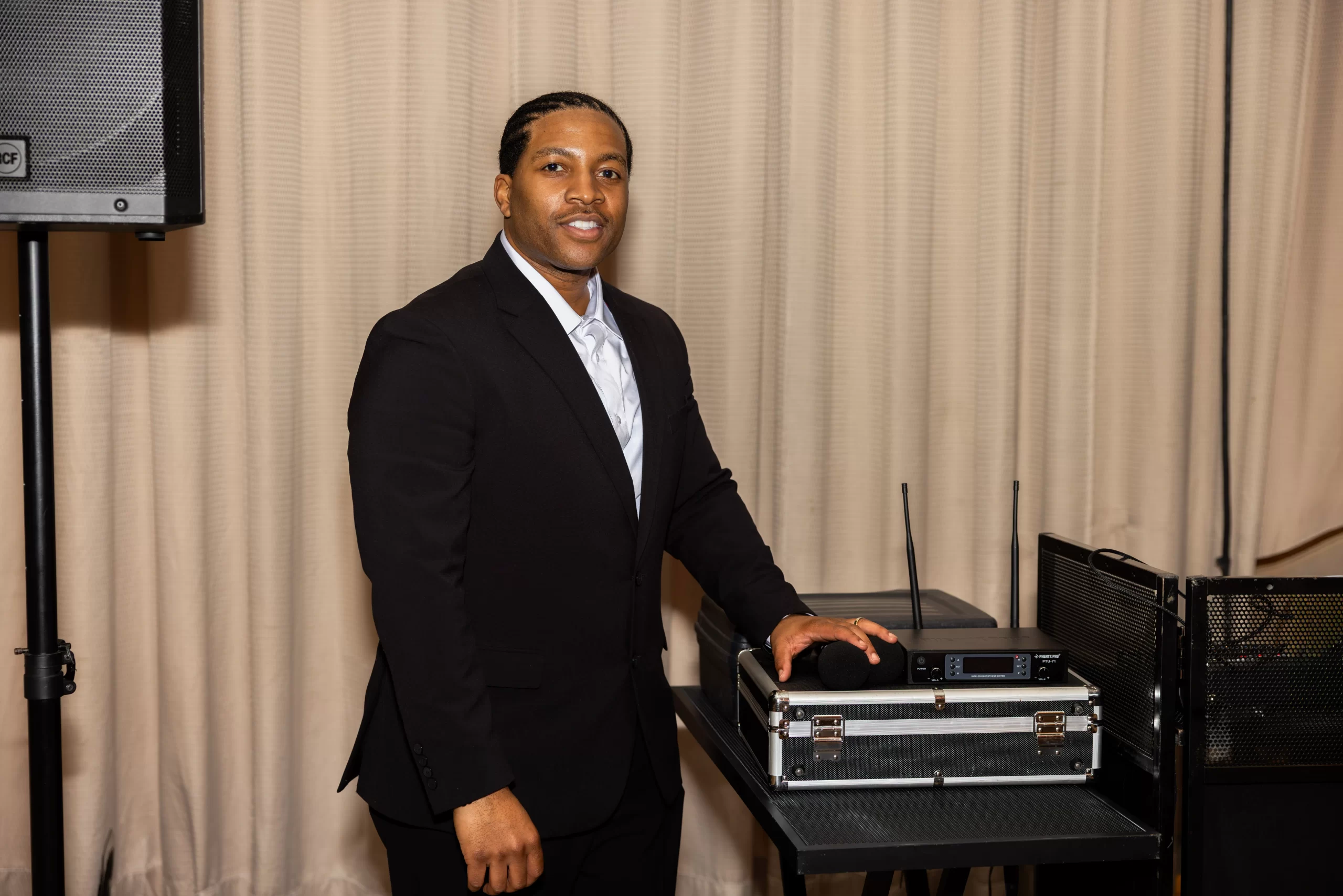
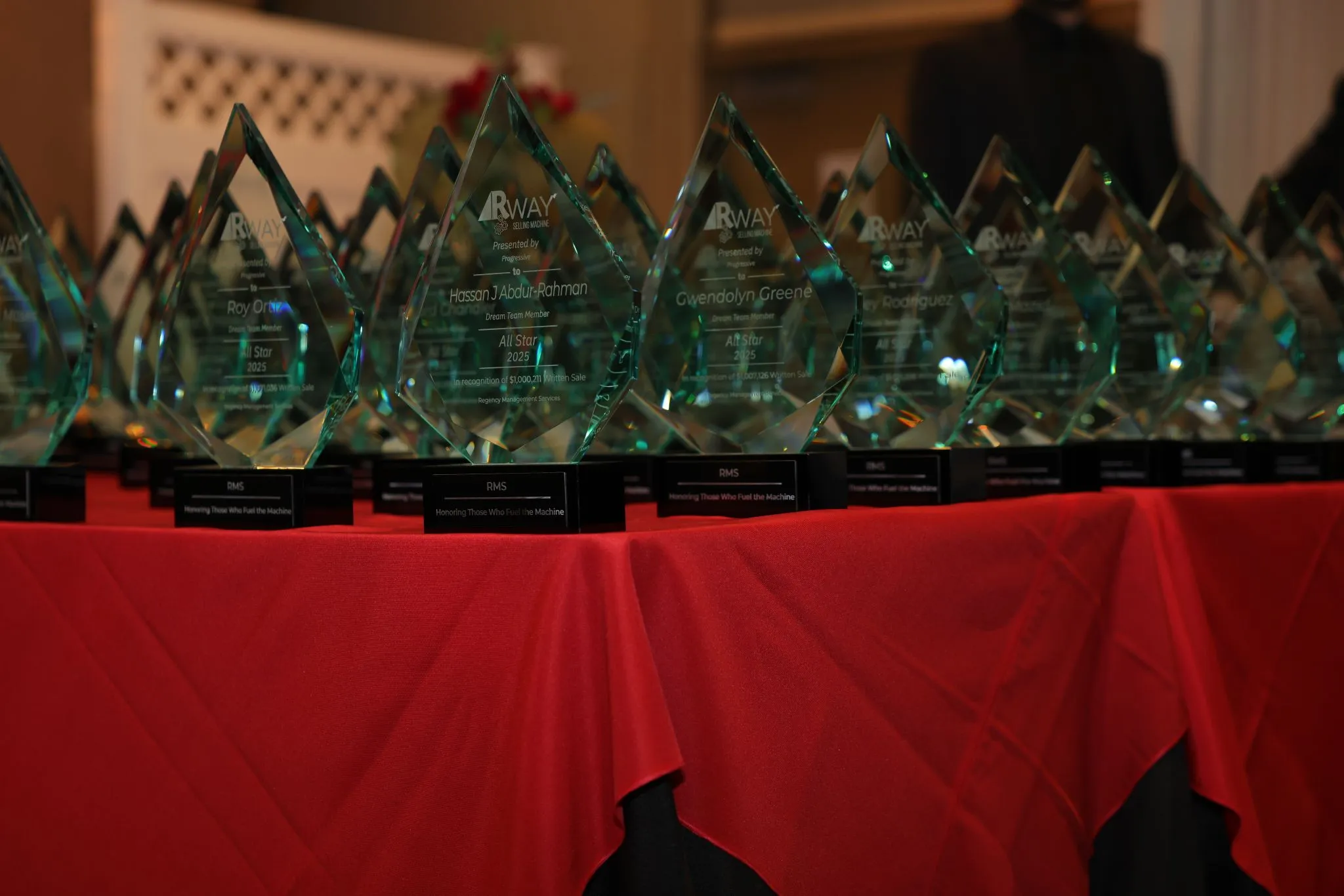
At RMS Sales Kickoff 2, we ran the music program alongside hosting duties for 500 attendees at Martin’s Crosswinds, Greenbelt, MD, a real example of the kind of program this guide describes.

Full case study: RMS Sales Kickoff 2, 500 Attendees
Frequently Asked Questions
What should you plan for first with this type of event?
Every leader who takes the stage gets a walk on, chosen for them rather than pulled from a generic list. This costs one question in a planning call and it is the highest return item in the whole document.
What’s the most common mistake to avoid?
Draw the day as a line before you choose a single track. Where does the room need to be lifted, where does it need to settle for content, and where is the hardest hour.
What actually matters most on the day?
The gaps are most of the day and they are what the document is actually for. Doors and arrivals, roughly 30 minutes, building slowly.