


An opening gala is the first impression of a multi day conference, and it does a job the rest of the agenda cannot. People arrive from airports not knowing anybody, and by the end of that evening they either have someone to sit with tomorrow or they do not. Everything about how it is built should serve that.
“We hired DJ Reese to DJ our Awards event in NYC, and he truly was the best corporate DJ we’ve ever worked with. Professional, responsive, easy to communicate with. He helped take our event up a notch, our clients loved the songs he chose for their walk up music.”
, Maureen Lowe, verified client review
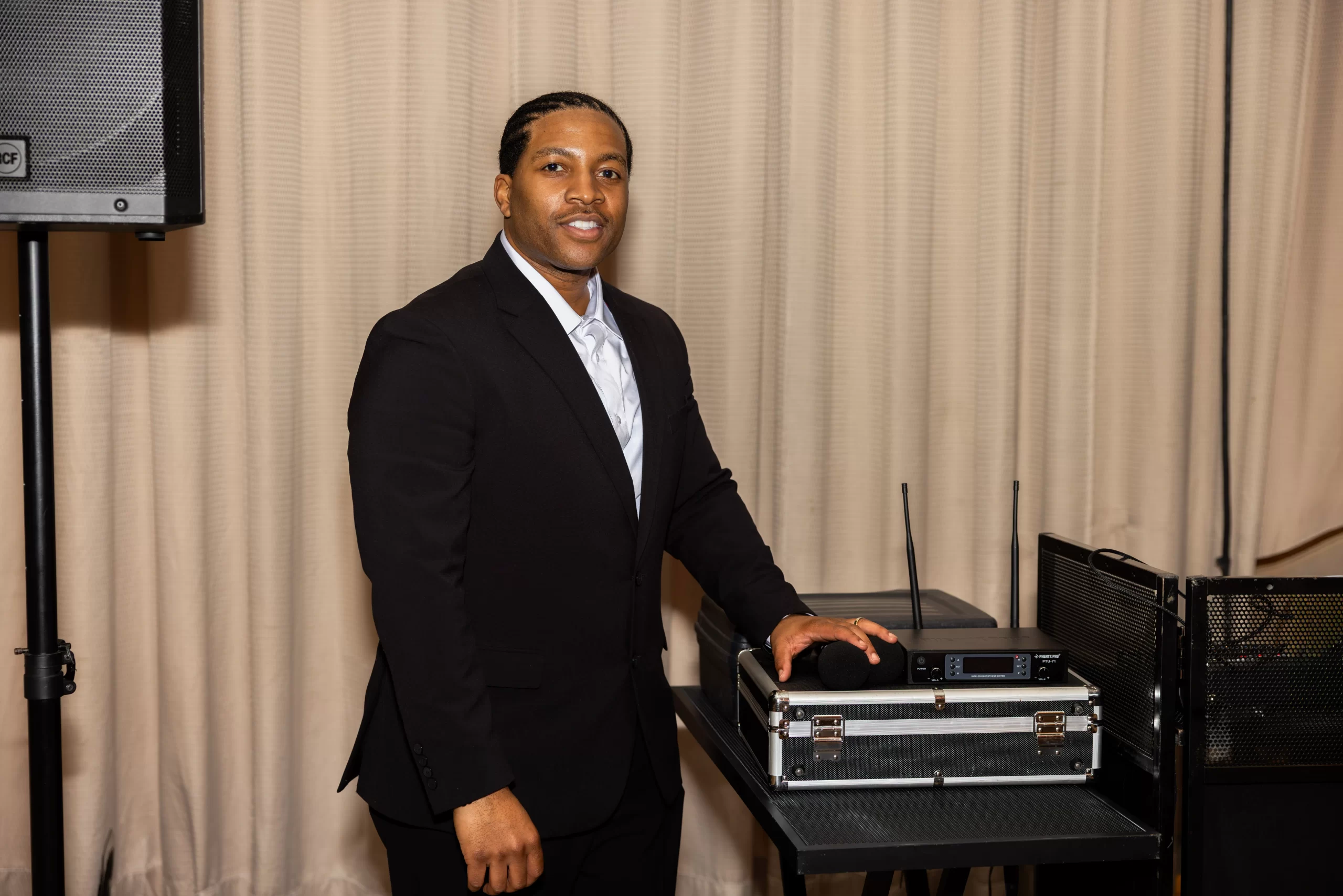
From DJ Reese’s own recap of the night: “A gala can look perfect on paper and still lose the room in real life. This Sunday, I’m DJing the Dream Team Gala for Regency Management Services. I’m focused on keeping the energy up, the flow tight, and the room fully engaged… At the end of the day, guests don’t remember your timeline. They remember how the night felt.” View the full post on LinkedIn
Regency Management Services’ own recap called it a night that “moved people”, celebrating “the individuals and teams who consistently raise the bar.” See RMS’s official Dream Team Gala recap
An opening gala is the first impression of a multi day conference, and it does a job the rest of the agenda cannot. People arrive from airports not knowing anybody, and by the end of that evening they either have someone to sit with tomorrow or they do not. Everything about how it is built should serve that.
The arrival hour is the event
Most gala planning goes into the dinner and the program. Most of the value is in the 60 to 90 minutes before them, when people are standing with a drink deciding whether this conference is going to be worth it.
- Sound at conversation level, without exception. Anyone raising their voice to be heard will stop talking to strangers and find someone they already know.
- Standing height tables rather than seated rounds. Seated rounds lock groups in place before the room has mixed.
- Bar and food stations placed apart so that getting a drink and getting food puts people in different lines.
- Enough light to read a name badge. This is missed constantly and it silently kills introductions.
- Something to look at or do near the entrance, so a person arriving alone has somewhere to go that is not the wall.
Seating is the biggest lever you have
Open seating produces tables of people who travelled together. Assigned seating, mixed deliberately, produces conversations that would not otherwise happen and that attendees remember as the value of the conference.
It is more work and it is the single highest return decision on the evening. If assigned seating is politically difficult, a compromise that works is assigning only the first two seats at each table and leaving the rest open.
Keep the program short and put it early
A long program on the first night meets a room that has been travelling since morning. Twenty minutes is generous. Welcome, why we are here, anything that must be said, and then release them.
Put it early rather than after dinner. A program that starts at 9pm is a program delivered to a room that is already deciding whether to stay, and the content deserves better than that.
Honorees and sponsors on night one
If the gala carries awards or sponsor recognition, it competes with the social purpose of the evening. The resolution is to be brisk and specific: named, thanked properly, correct pronunciation, short citation, and moving on. Sponsor lists read at length on the first night cost you the room, and the sponsors get less value from a room that has stopped listening than from a shorter mention to a room that has not.
The floor, and whether it matters
Opening galas are not the night for a long dance segment. The room is tired and half of it is thinking about a 7:30 breakfast session. What the back half of the evening needs is space to keep talking, with the option of a floor for the people who want it.
The exception is a conference whose audience has a genuine dancing culture. We ask rather than assume, because an empty floor on night one sets a flat tone for the remaining days.
Formality and what it changes
Black tie or formal dress changes the room in practical ways. People move less, they stand more, and they are more conscious of being watched. That argues for lower volume, less production, and a longer arrival period than a business casual event of the same size.
It also raises the cost of any visible mistake. A microphone problem in a ballroom of people in evening dress is remembered longer than the same failure at a team social.
What we need to program it
- The arrival window and how people are getting there, because a shuttle schedule shapes the curve.
- Whether seating is assigned, and whether it is mixed deliberately.
- The award and sponsor lists with pronunciations.
- The start time of the first session the next morning, which tells us when the evening should end.
- Whether this audience dances, honestly.
Proof from the room: see how we opened the FTF News Technology Innovation Awards.
Questions we get
Should there be live music
A small instrumental act during arrivals is a strong fit for a gala and a poor fit for the back half. If the budget allows both, that is a good build.
How long should the whole evening run
Three hours from doors, with the program inside the first half. Longer than that on night one and you are borrowing energy from day two.
Do you handle the run of show as well
Yes, and on a gala with awards we would recommend it. The timing and the cues are the same job.
Next step
Send us the agenda for the full conference, not just the gala. How the first night is built should depend on what the next two days need from the room.
Frequently Asked Questions
What should you plan for first with this type of event?
Most gala planning goes into the dinner and the program. Most of the value is in the 60 to 90 minutes before them, when people are standing with a drink deciding whether this conference is going to be worth it.
What’s the most common mistake to avoid?
Open seating produces tables of people who travelled together. Assigned seating, mixed deliberately, produces conversations that would not otherwise happen and that attendees remember as the value of the conference.
What actually matters most on the day?
A long program on the first night meets a room that has been travelling since morning. Twenty minutes is generous.

