Almost every problem in corporate event entertainment is a timing problem in disguise. The vendor you wanted was booked. The certificate could not be endorsed in time.
“DJ Reese is fantastic. We have been using him for our Corporate Promotional Events. Often we find DJs tend to want to put their own spin on things, but not what we’re looking for. After explaining the type of music and the overall vibe of the day, DJ Reese was able to deliver just what we needed. He’s very easy to work with from booking through payment and execution.”
, Joy Weir, verified client review
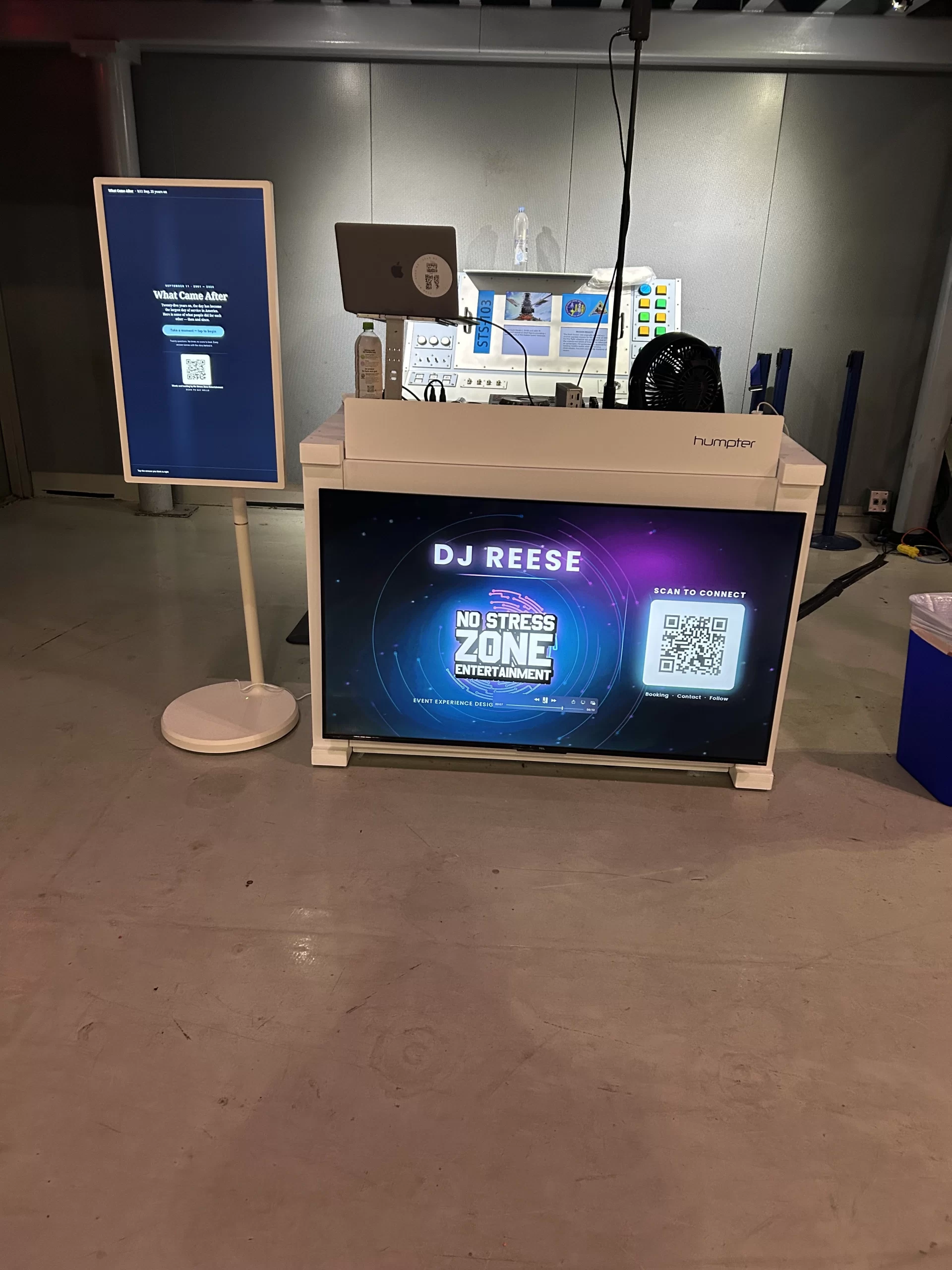
5.0 from 121 Google reviews. Learn more about our corporate event DJ services.
Almost every problem in corporate event entertainment is a timing problem in disguise. The vendor you wanted was booked. The certificate could not be endorsed in time. The run of show was still changing at 4pm. None of those are competence failures, they are calendar failures.
This corporate event DJ booking timeline works backwards from your event date to prevent them.
Twelve to six months out
- Lock the date and the venue. Everything else depends on these two.
- Define the business objective in one sentence, because it determines what you are buying.
- Set the entertainment budget range, before you talk to anyone.
- If the date falls in December, or on a Saturday in spring or fall, start here rather than later. Those dates go first.
December is the constraint nobody plans for. The good vendors in any market are booked for the first two weeks of December months ahead, and a planner starting in October is choosing from what is left.
Ninety to sixty days out
This is our normal booking window and it is where most corporate events should be.
- Shortlist three to five vendors and send a scoped brief or RFP.
- Get the venue insurance requirements in writing, with exact entity names.
- Confirm venue restrictions: amplification cut off, load in window, in house AV exclusivity, labor rules.
- Select and contract. The contract names the performer, the included hours, the overtime terms and who approves overtime.
- Pay the deposit and get the date held in writing.
Forty five to thirty days out
- First planning call. Run of show structure, not details.
- Request the certificate of insurance with the exact holder language.
- Site visit, with whoever is handling audio present or supplied with photographs and the technical sheet.
- Confirm the speaker and presenter list, even knowing it will change.
- If anything is being produced, a video, a reveal, a custom moment, it starts now.
Twenty one to fourteen days out
- Run of show structure locked, with items marked fixed, compressible or cuttable.
- Award and honoree lists with phonetic pronunciations. This is the deadline that slips most often and costs most when it does.
- Second planning call, walking the document.
- Certificate of insurance received, checked against requirements and forwarded to the venue.
- Panelist and presenter briefing calls, if there are panels.
Seven days out
- Final run of show distributed with a version number.
- Production meeting with every vendor who has a cue, in one conversation rather than several.
- Confirm load in time with the venue directly, not through an assumption.
- Confirm the one person authorized to make live cuts.
- Any last additions to the award list, in writing.
The day before and the day of
- Load in the night before wherever the venue permits it, particularly in winter and particularly for a morning start.
- Walk the room with the final document. Time the actual walks. Test the microphones at room level.
- Rehearse every reveal, every cue that depends on a screen, and the awards sequence.
- A final version distributed the morning of, with a stated distribution method.
What happens when the timeline is compressed
Events get booked at three weeks out and they can work. What you lose, in order: the site visit, the rehearsal, the pronunciation verification, and the planning calls. Those are exactly the things that make an event feel effortless, so a compressed booking buys a competent event rather than a polished one.
If your timeline is short, say so at the first conversation. A vendor who knows they have three weeks plans differently than one who thinks they have three months and finds out otherwise.
Questions we get
How far out do you book
Most corporate events book us 60 to 90 days out. Multi day programs, unusual venues and December dates want more. We do take shorter bookings and we are straight about what gets compressed.
What is the single most common late item
The award list with correct pronunciations, followed by the certificate of insurance. Both are free to do early and painful to do late.
When should the venue be booked relative to the vendors
Venue first, always, because the room determines a great deal about what the entertainment plan has to be.
Next step
Tell us your date and we will tell you honestly where you are on this timeline and what to do first.
Frequently Asked Questions
What should you plan for first with this type of event?
Lock the date and the venue. Everything else depends on these two.
What’s the most common mistake to avoid?
This is our normal booking window and it is where most corporate events should be. Shortlist three to five vendors and send a scoped brief or RFP.
What actually matters most on the day?
Run of show structure, not details. Request the certificate of insurance with the exact holder language.