


A post event debrief template is the cheapest improvement available to a corporate event planner and the one most often skipped, because the event is over, everybody is tired, and the next one is already in the calendar. It is worth twenty minutes. Here is how we would run it and what to capture.
“We’ve used No Stress Zone Entertainment for multiple corporate events, and DJ Reese consistently brings incredible energy and good vibes. Everyone always has a great time, and he’s wonderful to work with from start to finish. Professional, engaging, and reliable, highly recommend!”
, Ariane Sirizzotti, verified client review
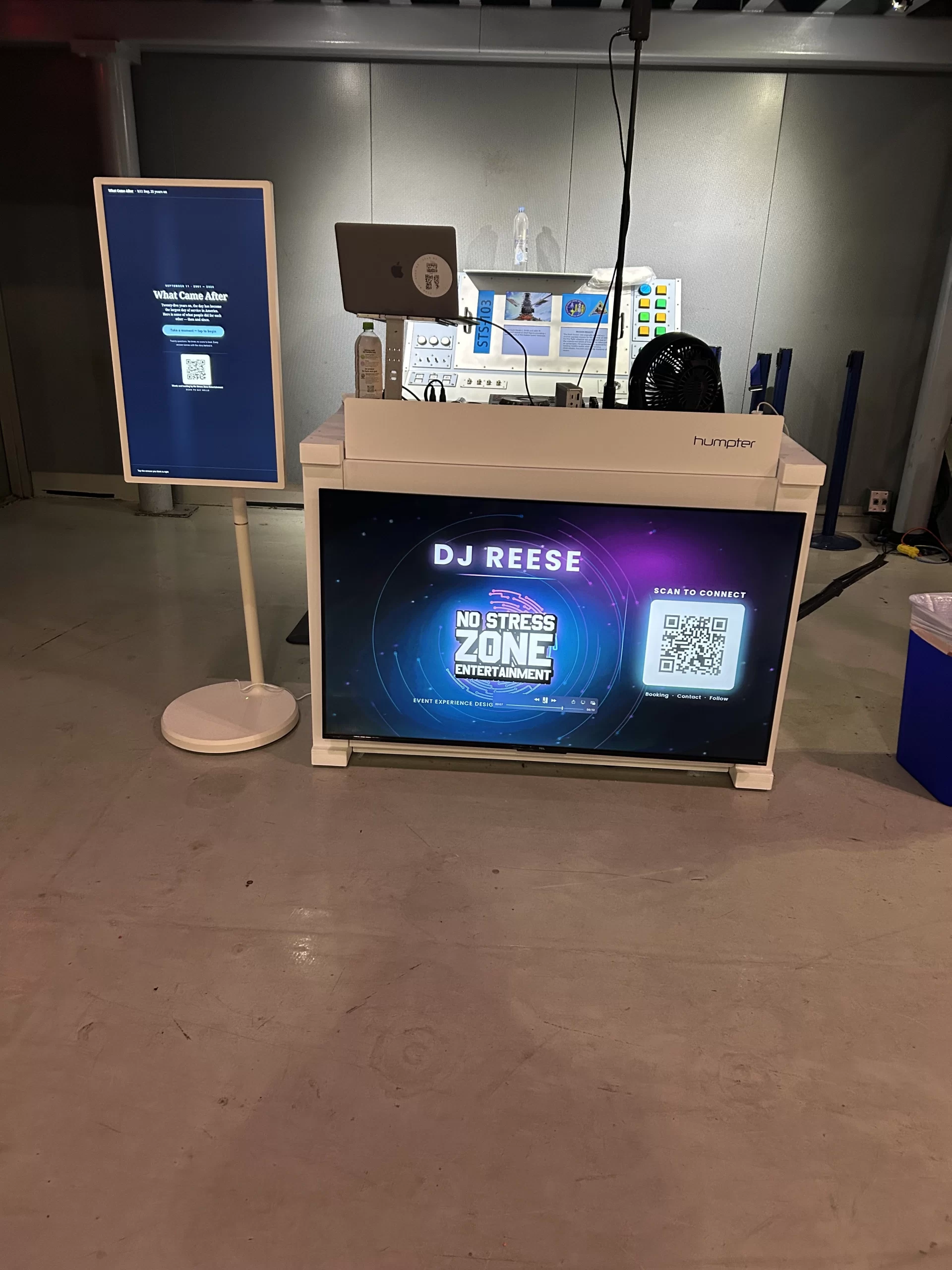
5.0 from 121 Google reviews. Learn more about our corporate event DJ services.
A post event debrief template is the cheapest improvement available to a corporate event planner and the one most often skipped, because the event is over, everybody is tired, and the next one is already in the calendar.
It is worth twenty minutes. Here is how we would run it and what to capture.
Do it within 48 hours
Memory of an event degrades faster than people expect. Within two days, the specific detail is available: the exact moment the room turned, the reason the awards ran twelve minutes over, the name of the person who could not find the loading dock. A week later all of that has compressed into a general impression, and general impressions do not improve anything.
Twenty minutes at 48 hours beats ninety minutes at three weeks.
The five questions
Ask these in this order. The order matters, because starting with what went wrong produces a defensive room.
- What worked that we should do again, specifically. Not a compliment. A thing.
- Where did we lose time, and what was the actual cause rather than the visible symptom.
- What did we not plan for. This is the highest value question and the one that generates the checklist item for next year.
- What did attendees experience that we did not see. Registration queues, temperature, sound at the back, finding the room.
- What would we change if the budget were identical.
That last question is more useful than asking what you would do with more money, because the answer is actionable.
Capture the numbers while they exist
- Actual start and end times of each major segment against the planned times.
- Headcount at the peak versus registered.
- When the room started emptying, to the quarter hour.
- Any technical failure, what it was, and how long recovery took.
- Overtime incurred and who approved it.
Segment timing is the single most useful thing to record. After two or three events you will know that your awards blocks consistently run fifteen percent over, which turns next year run of show from a guess into an estimate.
Ask the vendors, separately
Your vendors saw things you did not, because they were watching the room while you were solving problems. We see when the crowd turned, which table left first, what the back of the room sounded like, and where the schedule started slipping before it was visible from the front.
Most planners never ask. A five minute call with each vendor after the event produces observations you cannot get any other way, and a vendor who has been asked is a vendor who plans your next one better.
Separate the person from the problem
Most event failures are process failures wearing a name. The speaker who ran long did so because nobody told them the limit and nobody signaled from the stage. The vendor who arrived late did so because the load in window was wrong on the document they received.
A debrief that assigns blame produces a room that stops volunteering information, and the information is the entire point.
Write down three things, not thirty
The output should be three changes for next time, each with a named owner and a date by which it happens. A twelve page debrief document is a document nobody opens. Three items in the planning folder for next year is a document that changes an event.
Questions we get
Who should be in the room
The planner, whoever owned the run of show, and one person who experienced the event as an attendee rather than as staff. That third person contributes more than either of the other two.
Should we survey attendees
If you do, keep it to three questions and send it within 24 hours. Response rates fall off a cliff after that and long surveys get abandoned.
Will you participate in ours
Yes, and we will tell you the uncomfortable parts, including where we think we could have done better.
Next step
If you have an event coming up, ask us at booking to note what we see during it. We will bring observations to your debrief rather than waiting to be asked.
Frequently Asked Questions
What should you plan for first with this type of event?
Memory of an event degrades faster than people expect. Within two days, the specific detail is available: the exact moment the room turned, the reason the awards ran twelve minutes over, the name of the person who could not find the loading dock.
What’s the most common mistake to avoid?
The order matters, because starting with what went wrong produces a defensive room. What worked that we should do again, specifically.
What actually matters most on the day?
Actual start and end times of each major segment against the planned times. Headcount at the peak versus registered.