We are not lawyers and this is not legal advice. This is a vendor telling you which clauses decide what happens when something goes wrong, based on the contracts we sign and the ones we have had to negotiate. Have your own counsel review anything that matters.
“We have used No Stress Zone Entertainment with DJ Reese multiple times at our property. He is a fan favorite for both our guests and our employees. He is very reliable and always keeps the party going the entire time. He arrives early and ensures everything is ready for the event. 10/10 would recommend using DJ Reese for your DJ needs.”
, Jacob Gill, verified client review
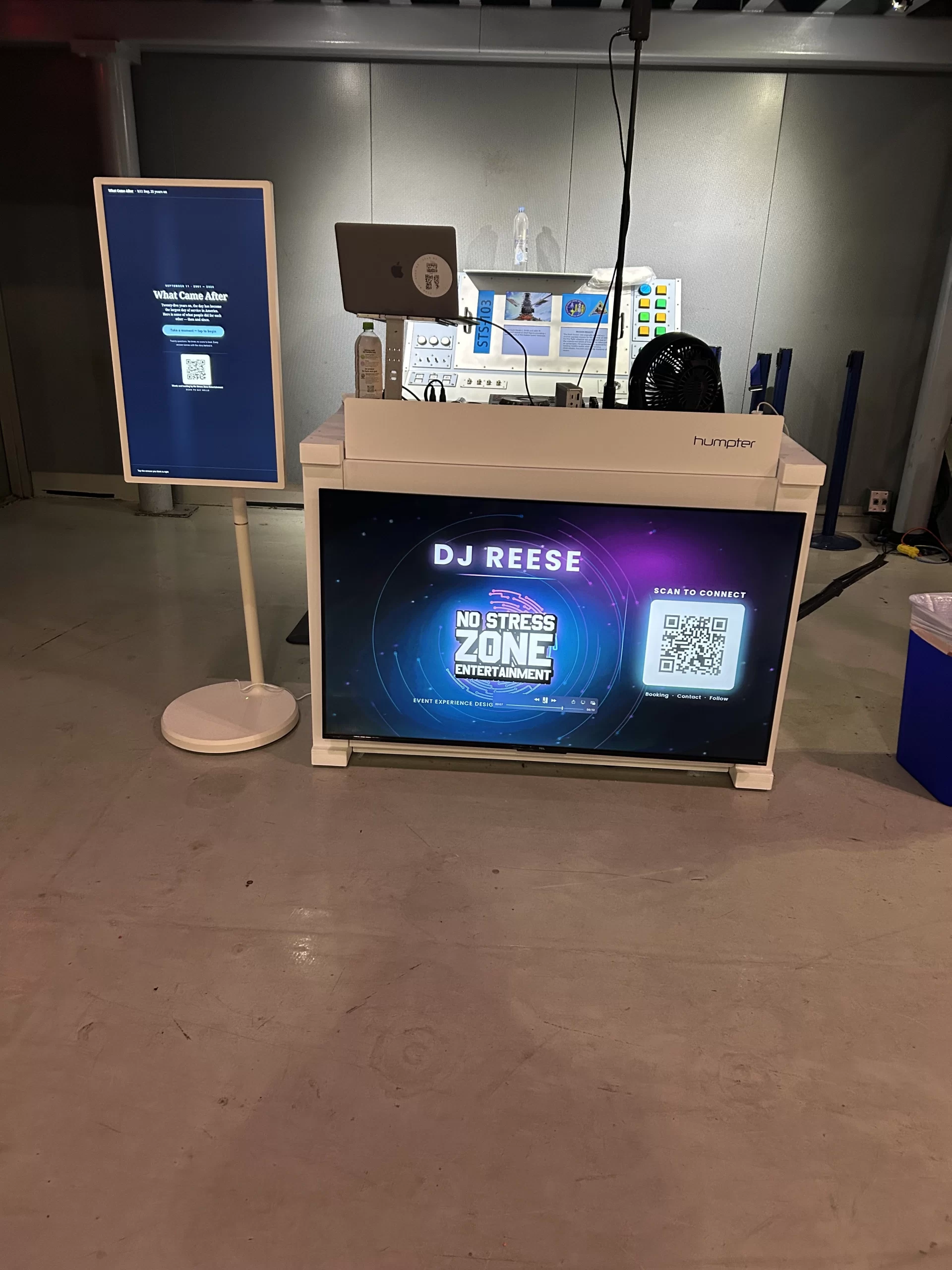
5.0 from 121 Google reviews. Learn more about our corporate event DJ services.
We are not lawyers and this is not legal advice. This is a vendor telling you which clauses decide what happens when something goes wrong, based on the contracts we sign and the ones we have had to negotiate. Have your own counsel review anything that matters.
Most corporate event DJ contract essentials get skipped because the paperwork is two pages of date, price and a signature. The two pages are fine until the event moves, the vendor gets sick, or the program runs two hours long, and then the absence of five specific clauses becomes expensive.
The clause that matters most: who performs
A contract that names a company and not a person lets that company send anyone. Planners book based on a specific operator and then discover a substitution on the day, and the contract permitted it.
What you want is the performer named, with a clause saying that a substitution requires your written approval in advance, and what happens if you decline. A vendor who will not name the performer is telling you something. A vendor who names them and adds an illness clause with a defined notification window is being realistic rather than evasive.
Cancellation, both directions
Most contracts describe what happens if you cancel. Far fewer describe what happens if the vendor cancels, which is the scenario that actually hurts you because you are then sourcing a replacement under time pressure.
- Your cancellation tiers, with dates and percentages, so the cost of moving is knowable.
- The vendor obligation if they cancel, which should be more than a refund. A refund does not replace a host two weeks out.
- What happens if the event date moves rather than cancels, which is far more common. A date change clause with a defined transfer window costs nothing to include and saves a real argument.
- Who bears non refundable costs already committed, such as travel.
Force majeure, read it properly
Everyone has this clause and almost nobody reads it until they need it. The questions worth asking: what events does it actually cover, does it cover a venue closure or only a natural disaster, does it cover a government restriction, and what happens to money already paid. A clause that suspends obligations without addressing deposits leaves the money question unresolved at the worst time.
Overtime, which is where the surprises live
Events run long. The contract should say what happens when yours does.
You want the included hours stated explicitly, the overtime rate, the increment it is billed in, and, most importantly, who is authorized to approve it on the night. Without that last one, somebody at the event approves overtime with no authority and the invoice arrives as a surprise. Name one person in the contract.
Equipment, damage and the room
Two directions here. Who is responsible if vendor equipment is damaged by a guest or by the venue, and who is responsible if vendor equipment damages the venue. Both should be addressed, and both are usually silent.
Also worth stating: what the venue is providing versus what the vendor brings. A dispute about who was supposed to supply power distribution at 4pm on the day is not a dispute anyone wins.
Payment terms that match reality
A deposit to hold the date and a balance due schedule that your accounts payable process can actually meet. Corporate payment cycles are 30 to 60 days and a contract requiring payment on the day of the event will not be honored by your own finance team, which puts the planner in the middle.
Match the terms to your process at signing rather than discovering the mismatch afterwards.
The things worth adding that usually are not there
- A named point of contact on both sides, with mobile numbers, for the event day.
- A stated deliverable on planning: how many calls, what documents, by when.
- Recording and photography rights, particularly if the event is being streamed or filmed.
- Confidentiality, which matters for internal events, portfolio company gatherings and anything not yet public.
- A clause about what the vendor may say publicly afterwards. Many organizations do not want to be named as a client and it is easier to agree that up front.
Questions we get
Will vendors accept your paper instead of theirs
Many will, including us, if the terms are reasonable. Sending your standard agreement at quoting time rather than at signing avoids a week of redlines during production.
Is a deposit normal
Yes, and it holds the date. What should not be normal is a large non refundable deposit with no date change provision.
What do you include as standard
Named performer, no substitution without written approval, stated included hours with a defined overtime rate and a named approver, a date change provision, and a certificate of insurance. Ask and we will send our standard terms before you decide.
Next step
Send us your standard agreement with the quote request and we will tell you immediately whether we can sign it as written. Most corporate events book us 60 to 90 days out.
Frequently Asked Questions
What should you plan for first with this type of event?
A contract that names a company and not a person lets that company send anyone. Planners book based on a specific operator and then discover a substitution on the day, and the contract permitted it.
What’s the most common mistake to avoid?
Most contracts describe what happens if you cancel. Far fewer describe what happens if the vendor cancels, which is the scenario that actually hurts you because you are then sourcing a replacement under time pressure.
What actually matters most on the day?
Everyone has this clause and almost nobody reads it until they need it. The questions worth asking: what events does it actually cover, does it cover a venue closure or only a natural disaster, does it cover a government restriction, and what happens to money already paid.