As a healthcare conference DJ, we know a healthcare conference puts clinicians, administrators, payers, community staff and frequently patients or members in the same room. They do not share a vocabulary, a schedule or a reason for being there, and the event has to work for all of them at once.
“We’ve used No Stress Zone Entertainment for multiple corporate events, and DJ Reese consistently brings incredible energy and good vibes. Everyone always has a great time, and he’s wonderful to work with from start to finish. Professional, engaging, and reliable, highly recommend!”
, Ariane Sirizzotti, verified client review
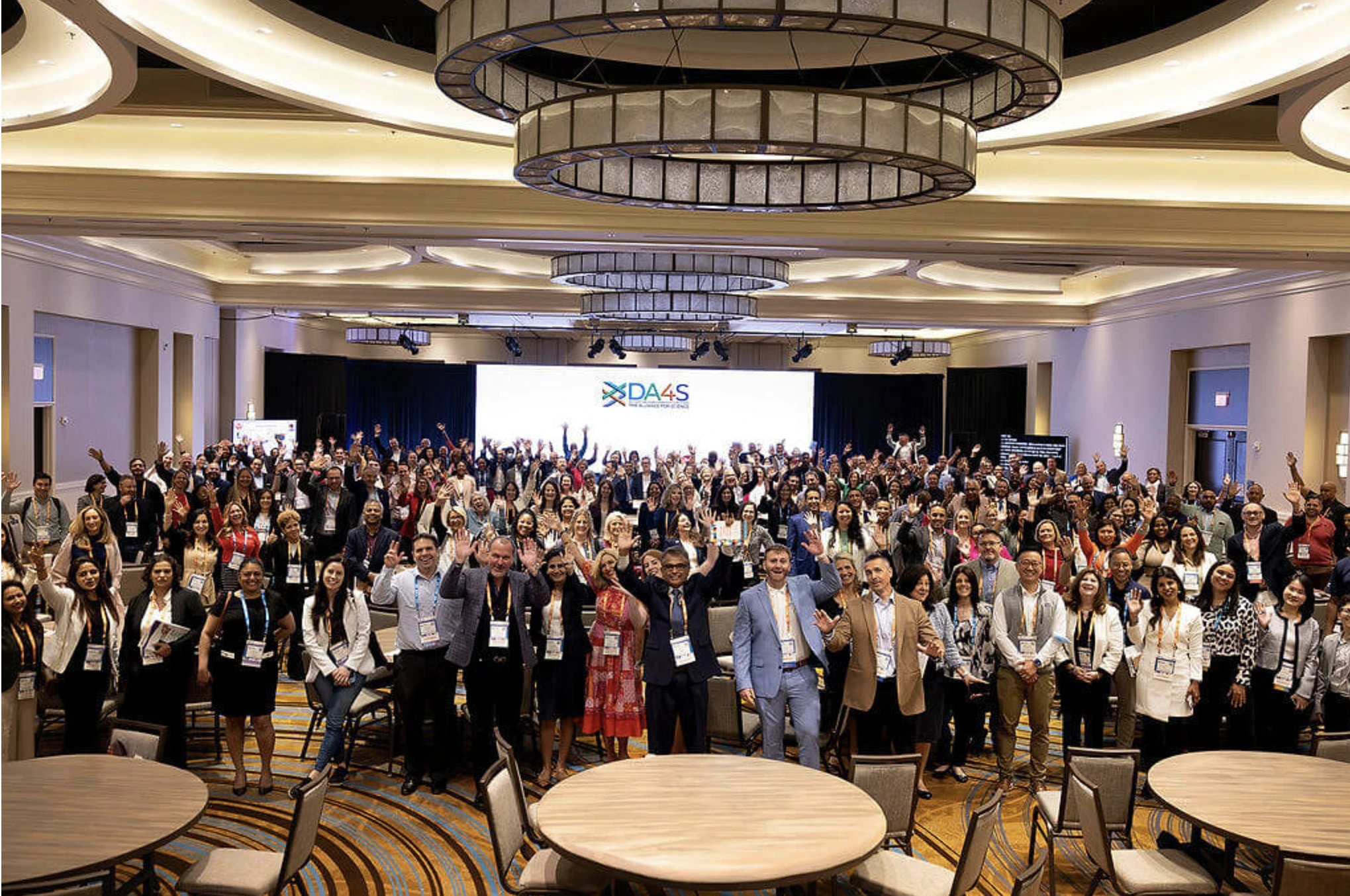
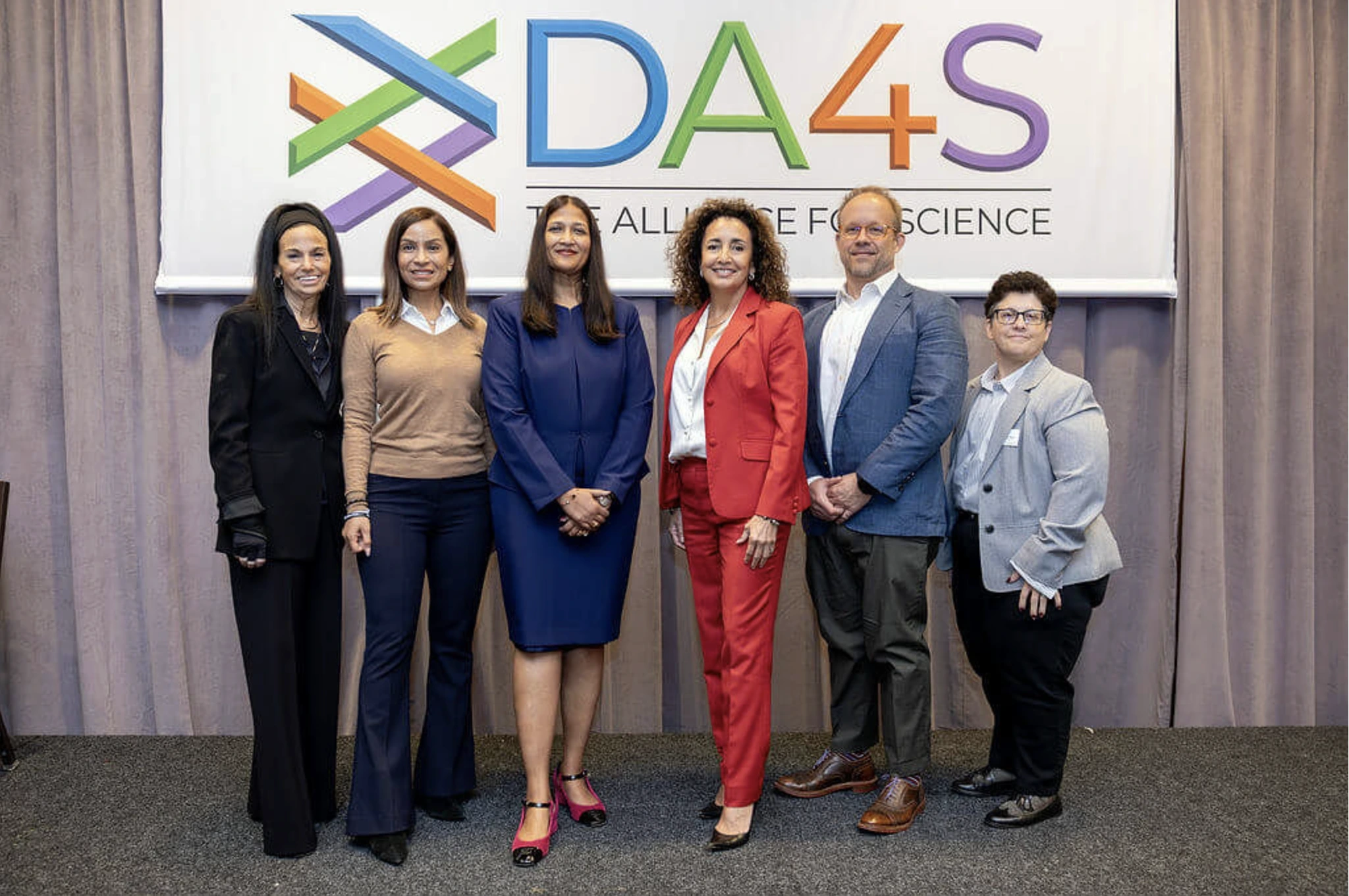
Real Proof: DA4S (Diversity Alliance for Science) East Coast Conference
DA4S is a 501(c)(3) whose Annual East Coast Conference serves the Life Sciences, Pharma, and Healthcare industries. No Stress Zone Entertainment has hosted this 300 attendee conference at the Marriott Newark Airport Hotel two years running.
As a healthcare conference DJ, we know a healthcare conference puts clinicians, administrators, payers, community staff and frequently patients or members in the same room. They do not share a vocabulary, a schedule or a reason for being there, and the event has to work for all of them at once.
The room we actually ran
We DJed and emceed the Horizon NJ Health Mental Matters Summit in New Jersey, a full day program in front of a mixed clinical and administrative audience. The client told us we kept people engaged across the day with what they described as ultimate professionalism.
That mix is the defining feature of these events and it is what the rest of this page is about.
Four audiences, one agenda
- Clinicians. Attentive, note taking, undemonstrative, and there for content. They will not respond to energy work and do not want any.
- Administrators and operations staff. Often the people who organized the day, and the ones most aware of whether it is running on time.
- Payers, plan staff and community partners. There for relationships as much as content, so the networking windows matter more to them than the sessions.
- Members, patients or community participants, when present. Everything from the stage has to be intelligible without clinical vocabulary, and the tone has to shift when they are in the room.
The mistake is programming for the clinicians and treating everyone else as overflow, or programming for the community audience and losing the clinical half in the first twenty minutes.
Mission is the tone, not enthusiasm
Healthcare organizations are mission driven and the room responds to that rather than to production. A segment about what the organization actually did for people in the last year will hold this audience better than anything else on the agenda, and it is usually given less time than a strategy update.
Where there is a story from a member, a patient or a community partner, that is the most valuable four minutes of the day. It needs proper audio, a quiet room, a host who hands off without stepping on the tone, and silence at the end rather than a music cue.
Schedules are the practical constraint
Clinical staff work shifts and cover. Some of your attendees are leaving to make a shift, some arrived after one, and a portion of the people being recognized will not be in the room.
That has run of show consequences: anything that matters happens earlier than feels natural, recognition needs a plan for absent recipients, and the agenda should have honest break lengths rather than optimistic ones, because people will step out to take calls whether the schedule allows it or not.
Accessibility is part of the brief
These rooms more than most will include attendees with hearing loss, mobility needs and language needs. Speech intelligibility is therefore the whole audio job, ahead of anything musical.
- Clear speech reinforcement, set for the back corners rather than the front.
- Coordination with any interpretation or captioning provider, arranged early rather than discovered at load in.
- Volume that does not force anyone to work to follow the content.
- Music kept low enough that it never competes with a speaker or a conversation.
Where the energy belongs
Very little of the day. Arrivals, transitions between sessions, the exhibit or partner area, recognition cues and the evening reception. During sessions, nothing. A healthcare conference that is over programmed with music reads as a vendor who did not understand the room.
Recognition in healthcare
Long service, clinical excellence, community partner awards, volunteer recognition. These are genuinely meaningful in this sector and they are routinely read quickly off a page between agenda items.
Give them real time and specific citations. Verify every name, including clinical credentials, which matter to the people holding them. And plan for the recipient on shift who is not there.
What we need to program it
- Who is in the room, by group and roughly in what proportion.
- Whether members, patients or community participants are attending.
- The recognition list with names, credentials and pronunciations.
- Any interpretation, captioning or accessibility provision, and who is coordinating it.
- Shift patterns, if they affect arrival and departure.
Questions we get
Do we need a DJ at a healthcare conference
You need somebody owning audio, timing and announcements across the day. Whether they also play music is secondary and the honest answer is that the music is a small part of this one.
How much production is appropriate
Enough that the speech is perfectly clear and the transitions are clean. Beyond that, this audience reads production spend as money that could have gone somewhere else, and they are not wrong.
Can you also emcee
Yes, and on a mixed audience day we would recommend it. Holding the tone as the room shifts between clinical content and community content is the hardest part of the day and it needs one voice.
Next step
Send us the agenda and tell us who is in the room. We will tell you where the day is programmed for one audience and losing another.
Frequently Asked Questions
What should you plan for first with this type of event?
We DJed and emceed the Horizon NJ Health Mental Matters Summit in New Jersey, a full day program in front of a mixed clinical and administrative audience. The client told us we kept people engaged across the day with what they described as ultimate professionalism.
What’s the most common mistake to avoid?
Attentive, note taking, undemonstrative, and there for content. They will not respond to energy work and do not want any.
What actually matters most on the day?
Healthcare organizations are mission driven and the room responds to that rather than to production. A segment about what the organization actually did for people in the last year will hold this audience better than anything else on the agenda, and it is usually given less time than a strategy update.