A chairman award is usually one honor, given once, to one person, in front of everybody. There is no second take. The entire value of the thing is compressed into about 90 seconds: the citation, the name, the walk, the handoff, the photograph, the applause.
“We had DJ Reese at our Dream Team Member Gala, and it truly made the night unforgettable as we came together to celebrate our team at RMS. The music, sound, and energy were outstanding.”
, Wazhma Raufyar, verified client review
Real Proof: FTF News Annual Awards
The FTF News Annual Awards is a real, recurring chairman level recognition gala, individual honorees called to the stage, each with their own walk up moment, in front of their industry peers and leadership.

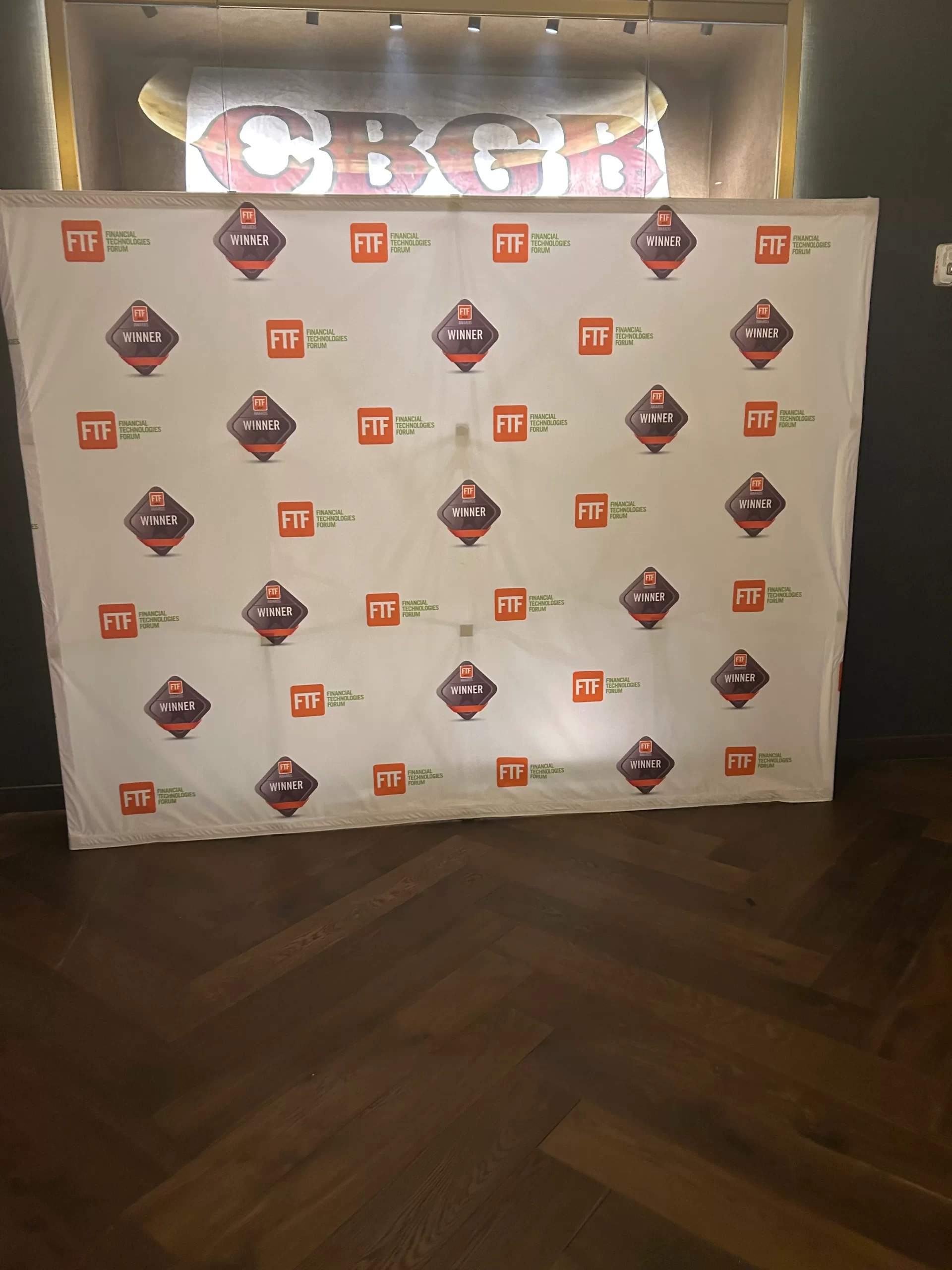
“He played ‘walk up’ music as our guests were called to the stage to accept awards… It was an absolute pleasure working with him, and he helped take our event up a notch.”, Maureen Lowe, Founder, President and Editor in Chief, FTF News

A chairman award is usually one honor, given once, to one person, in front of everybody. There is no second take. The entire value of the thing is compressed into about 90 seconds: the citation, the name, the walk, the handoff, the photograph, the applause. Get those 90 seconds right and the recipient remembers it for the rest of their career. Get them wrong and everyone in the room watched it happen.
This page is about the mechanics of that moment, because that is where these ceremonies are won and lost.
The 90 seconds, broken down
The citation
Three to four sentences, specific, and about the work rather than the person. Adjectives do nothing. What did they actually do, for how long, and what changed because of it. A citation that could be read about anyone in the room is the most common failure in corporate awards and it is entirely avoidable.
We ask for the citation in writing at least a week out and we read it aloud before the night. Words that look fine on a page are not always words that can be said cleanly at a microphone.
The name, held back
If the award is a surprise, the name comes at the end of the citation, not the beginning. The room should be working out who it is during the description. That builds the only real tension available in a corporate ceremony, and it is free.
The walk
Music starts on the name, not before it and not three seconds after. Then somebody has to know how long the walk actually is. A recipient seated at the back of a large ballroom needs 15 to 20 seconds of cover. A recipient in the front row needs about four. The same cue for both is how a room ends up listening to music while nothing happens, or watching someone walk in silence.
We ask for the seating position of the likely recipient. On a surprise award where we cannot be told, we prepare for the long walk and cut early, which is recoverable. The reverse is not.
The handoff and the photograph
Who hands over the award, from which side, and where do they stand for the photo. This gets decided in advance or it gets decided awkwardly on stage in front of everyone. Then the pair holds still. Not a second, an actual pause, because a photographer needs it and because the room wants a beat to applaud into.
The microphone question matters too. Is the recipient expected to speak. If yes, a handheld should already be waiting. If no, that should have been made clear to them beforehand, because a recipient who was not told will often start talking anyway and a host who cuts them off has created the thing everybody remembers.
The people who did not win
If the award had finalists or nominees, there are people in that room who thought it might be them. How the ceremony treats them is visible and it is remembered.
What works: name every nominee, with their own short citation, before the winner is announced. It takes two extra minutes and it converts a disappointment into a recognition. What does not work is listing nominees quickly as a formality and then spending all the warmth on the winner, which reads exactly as it is.
Where these go wrong technically
- The award is not on stage. Somebody is holding it in the wings and has to be found.
- Lighting is set for the podium but the handoff happens two meters away, in the dark, which is also where the photograph is being taken.
- The music cue lives with someone who cannot see the stage.
- There is no plan for the recipient who is not in the room, which happens, and the ceremony has to keep moving.
- Nobody checked the name pronunciation because everyone assumed everyone else knew it.
Every one of these is a five minute conversation before doors. None of them is recoverable live.
The ceremony this sits inside
A chairman award is almost never the whole event. It sits inside an awards night, a gala or a conference dinner, and it has to be the peak. That means the segments around it are deliberately lower. If three awards precede it at the same intensity, the room is already at the ceiling by the time the top honor arrives and it lands as the fourth of four.
We build the running order so the energy climbs to it. Smaller recognitions earlier, tighter and faster. The top award gets the longest runway, the fullest citation and the only real pause in the evening.
We have hosted the FTF News Awards at the Hard Rock Hotel New York and were booked back for a second year. Awards programs with multiple categories and a top honor live or die on this kind of sequencing, and on somebody owning every cue rather than hoping the parts line up.
Questions we get
Should the chairman present the award themselves?
If the chairman is present, yes. An award named after a role and presented by someone else tells the room something about how much it mattered.
How long should the whole segment run
Four to six minutes including nominees, citation, walk, handoff and any remarks. Longer than that and you are into a speech, which is a different thing and should be planned as one.
Can you handle the run of show as well as the audio
Yes. On award ceremonies we would push for it, because the cues and the timing are the same job. Splitting them across two vendors is where the gaps come from.
Next step
Send us the categories, the citations and where the top award sits in your running order. We will tell you whether the order is building to it or flattening it. Most corporate events book us 60 to 90 days out.
Frequently Asked Questions
What should you plan for first with this type of event?
The citation Three to four sentences, specific, and about the work rather than the person. What did they actually do, for how long, and what changed because of it.
What’s the most common mistake to avoid?
If the award had finalists or nominees, there are people in that room who thought it might be them. How the ceremony treats them is visible and it is remembered.
What actually matters most on the day?
The award is not on stage. Somebody is holding it in the wings and has to be found.