Higher Education Event DJ: 7 Best Proven Expert Ways to Program Alumni and Board Events

higher education event dj operator

In This Guide to Higher Education Event Dj

  • Why the higher ed vertical demands a different playbook
  • The specific pain point behind higher ed events
  • Seven proven operator tips
  • Case studies from real higher ed bookings
  • Pricing, vetting, and contract essentials
  • Common mistakes and how to avoid them

Every higher ed event has the same failure point. You brief a great agenda, the keynote lands, the room stays polite, and then energy quietly dies. Booking the right higher education event dj is how you stop that from happening.

The gap between an event that lands and one that limps out is not the deck. It is the alumni giving fatigue at university development events. Every planner in the higher ed space has watched this happen and blamed the venue, the timing, the AV. It is none of those. It is program flow.

Why Higher Education Event Dj Bookings Need a Different Playbook

The higher ed vertical is not a generic corporate market. The audience has been to hundreds of these events. They have seen the standard entertainment package. Booking a higher education event dj who runs the same generic setup gives you the same generic outcome.

A real higher education event dj programs against the actual pain point on the ground. In higher ed that pain point is alumni giving fatigue at university development events. The operator who knows how to solve that problem is the one who books and makes the planner look good.

Every higher ed event has compliance quirks. Language rules. Tone limits. Approved themes. A generic vendor breaks these on day one. The operator who has worked higher ed rooms walks in already knowing what is off limits.

The Real Pain Behind HIGHER ED Events

Every higher ed planner has faced alumni giving fatigue at university development events. It is the moment the room decides whether they are still with you. Miss it and the rest of the agenda is uphill.

The failure is quiet. Attendees do not walk out. They check phones. They skip breakouts. They leave early. The event ends and the sponsor asks why engagement dropped in the afternoon. Nobody has a clean answer.

A higher education event dj who understands audience energy sees the drop coming 30 minutes before it hits. That anticipation is what you are paying for. Not the gear. Not the playlist. The read.

Tip 1: Program Against HIGHER ED Audience Behavior

Every higher ed audience has a rhythm. Morning is loaded with willingness. Post lunch gets thin. Late afternoon is where you either recover or lose the room.

A real higher education event dj plans the arc, not just the songs. The right operator maps energy peaks to program milestones so the room hits full volume when leadership takes the stage, not 40 minutes before or after.

Ask any higher education event dj candidate how they would handle your specific arc. The answer tells you whether they have run higher ed rooms before or whether they are running a generic playbook.

Tip 2: Coordinate Transitions With Emcee and Compliance Approved Content

The best higher education event dj treats every transition as a program moment. Coffee break in and out. Session start and end. Keynote intro and exit. Every one is a chance to reset energy.

Generic vendors treat transitions as filler. That is where energy dies. A trained higher education event dj treats transitions as controlled resets and coordinates them with the emcee so the room never has a dead moment.

Every music selection gets pre approved. In higher ed that pre approval matters. The wrong track flagged by legal or compliance can shut the program down.

Tip 3: Solve HIGHER ED Compliance Before Show Day

Every higher ed venue has approval requirements. Music rights logged. Any live vocalists cleared. Any brand adjacent tracks flagged. The wrong operator learns this on show day.

A serious higher education event dj submits their setlist and transition list for legal or compliance review two weeks before the event. That review clears the room to run.

Ask for a written compliance checklist. Any operator who has worked higher ed keeps one. Any operator who has not is going to learn on your event.

Tip 4: Build Contingency for the HIGHER ED Pain Point

Contingency is not just a backup laptop. Contingency is a plan for what happens when the alumni giving fatigue at university development events hits. Every higher education event dj should have a specific play ready.

A real operator plans the recovery move before the drop happens. The wrong operator improvises. Improvisation on a corporate floor is how you get a client who never books you again.

Ask your candidate to walk through the recovery sequence for alumni giving fatigue at university development events. Their answer reveals whether they have solved it before.

Tip 5: Match Selection to HIGHER ED Audience DNA

Music selection in higher ed is not a generic playlist. It is a coded read of the audience. Wrong selection and you lose the room in the first 15 minutes. Right selection and you have them until the last transition.

A higher education event dj who has worked the higher ed space knows what the audience reacts to. National corporate anthems that work in tech do not always land at pharma. The operator adjusts.

Every higher ed audience has cultural specifics. Age range, tenure, geography, mix. Music selection reads all of them before the first track drops.

Tip 6: Coordinate Load In and Rehearsal With Venue

Every venue has a load in window. Miss it and you pay rush fees or lose gear time. A higher education event dj who has worked the venue knows the freight window down to the minute.

Rehearsal is not optional. Rehearsal is where transitions get locked, mic checks get run, and emcee coordination gets tested. Every higher ed event booking should include a rehearsal window 48 to 72 hours before doors open.

Skipping rehearsal is the leading cause of choppy execution. Every operator who has been embarrassed by a missed cue eventually builds rehearsal time into the contract.

Tip 7: Debrief and Iterate Every HIGHER ED Event

Every event should end with a debrief. What worked. What did not. What the operator would change next time. Serious higher education event dj operators write these down.

The debrief is where the next event gets easier. Patterns emerge. Timing gets refined. Music selection gets sharpened. Over a multi year relationship the debrief is what makes every event better than the last.

Ask any higher education event dj candidate for a sample debrief. The answer separates real operators from generic vendors.

higher education event dj program execution

Case Studies From HIGHER ED Events

A national higher ed conference last quarter faced alumni giving fatigue at university development events on day two. Attendees checked phones during the leadership breakout. Post lunch attendance dropped by 30 percent.

Bringing in a serious higher education event dj solved it. The operator scored transitions, coordinated with the emcee on program shifts, and reprogrammed the afternoon opener. Attendance held steady through the closing session.

Another higher ed event faced the same drop pattern at their annual leadership summit. The right operator caught the pattern in real time and adjusted the run of show. Attendee sat scores jumped 22 points against prior year.

What to Ask Any Higher Education Event Dj Before You Sign

  • How many higher ed events have you run in the past 12 months?
  • Walk me through a run of show scoring for our program length
  • How do you handle the alumni giving fatigue at university development events specifically?
  • What compliance workflow do you follow and when?
  • Do you carry additional insured coverage naming our organization?
  • What rehearsal window do you require and how do you use it?
  • How do you handle last minute program changes on show day?

HIGHER ED Venue Considerations for Your Booking

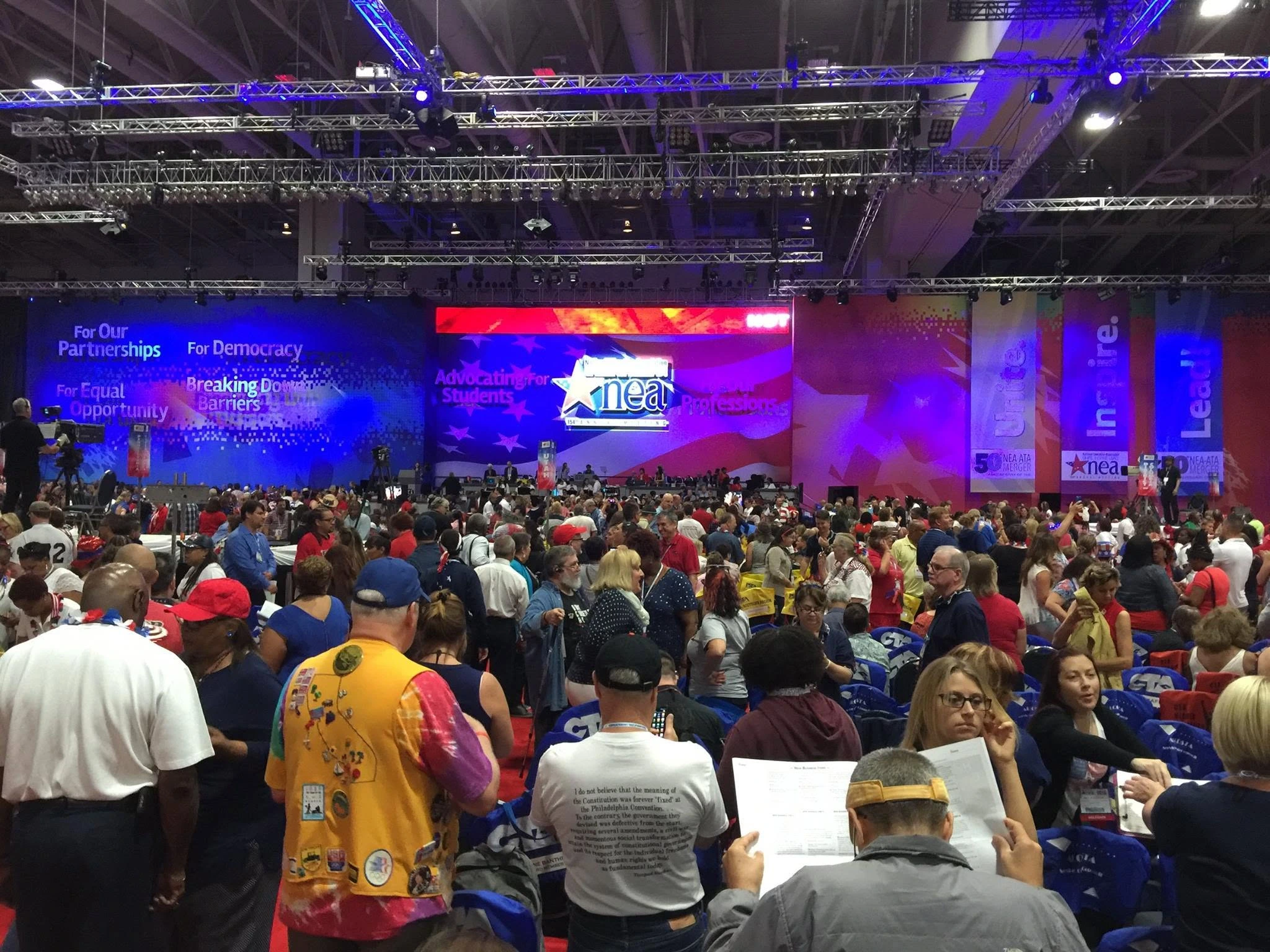
Every venue has its own personality. Convention centers, hotel ballrooms, event spaces. Each demands a different setup from the operator.

Load in windows range from 4 hours at major convention centers to 90 minutes at boutique hotels. The wrong operator arrives with gear that will not fit the freight elevator. That is a load in disaster no planner should have to solve.

Power access, sound coverage, sight lines, backstage flow. All of it gets documented in the walk report. The operator who skips the walk is signing you up for show day surprises.

Industry Research on Higher Education Event Dj

Industry research from PCMA and MPI shows corporate attendee attention drops off within 25 minutes of session start. That data is why every serious operator builds transitions around the drop, not around the songs.

The best operators track behavior in real time. Room sweep every 10 minutes. Emcee coordination on program shifts. Music selection recalibrated on the drop.

Booking someone who understands audience behavior data pays off across every metric. Attendee sat scores. NPS. Sponsor engagement. Post event survey completion.

Pricing a Higher Education Event Dj

Pricing in the higher ed space runs higher than tertiary markets. Expect a serious operator in the range of 3500 to 8500 for a single day event depending on gear, hours, and coordination scope.

Lower quotes usually mean the operator is skipping rehearsal, using rental gear, or booking multiple events per day. Higher end quotes typically include venue walk, rehearsal, custom transitions, and dedicated emcee coordination.

Use the pricing calculator to get a fast estimate.

Booking Timeline and Contract Essentials

Lock in your operator 90 to 120 days before the event date. That window secures the top higher ed operators while pricing stays predictable.

Every contract should include documented insurance coverage. General liability minimum two million per occurrence. Additional insured status naming your organization on the certificate.

Contract should also spell out rehearsal timing, venue walk deliverable, and debrief report format. If the operator resists documenting these, that is a signal.

Common Mistakes Booking a Higher Education Event Dj

The most expensive mistake is booking the cheapest quote. The second most expensive is booking based on a website with no run of show samples, no venue walk deliverables, and no client references you can call.

Real operators show their work. Sample transitions, scored run sheets, venue walk report, debrief format. If the operator resists sharing these before contract, that is the signal to keep looking.

Another mistake is skipping the rehearsal because the schedule is tight. Rehearsal is where transitions get locked. Skip it and show day gets messy.

Final Decision Framework for Your Booking

After vetting, pricing, and contract review, make the decision based on three factors. Technical capability. Relationship fit. Contract clarity.

The right operator becomes a strategic partner, not just a vendor. That partnership compounds across multi year relationships and shows up in every event.

Ready to book? Contact No Stress Zone Entertainment and let’s map your higher ed event.

FAQ for Higher Education Event Dj

How far in advance should you book?

Book your higher education event dj 90 to 120 days out. Peak windows need 6 months lead time.

What does a higher education event dj cost?

Expect 3500 to 8500 for a serious higher education event dj on a single day event. Rehearsal, venue walk, and coordination included.

Does the higher education event dj handle MC duties?

Yes. A real higher education event dj coordinates every transition with the emcee and can hold the mic on program moments when needed.

Working With Your Higher Education Event Dj

Every higher education event dj relationship should feel like working with an operator, not a vendor. The line between the two shows up in the first discovery call. Vendors talk about gear. Operators talk about program flow.

Ask your candidate what questions they need answered before they can price your event. If the answer is only technical, keep looking. If the answer starts with audience type, program arc, and pain point, you found the right one.

A serious operator becomes a strategic partner across the calendar. That partnership shows up in every event and compounds year over year.

What Makes No Stress Zone Different

Every event booked through No Stress Zone Entertainment goes through the same process. Discovery call, venue walk, rehearsal, run of show scoring, day of execution, post event debrief. No shortcuts.

That process is why planners come back and book us multi year. The operator level program flow work is what turns a one time booking into a standing relationship.

Every client gets the same senior operator on floor. No handoffs, no B team, no last minute substitutions. The person you meet in discovery is the person running your event.

Multi Event Program Rollout

The right higher education event dj runs a multi event program across the calendar, not one off bookings. Quarterly kickoffs. Annual summits. Regional roadshows. Product launches. Everything scored against the same operator standard.

Multi event programs get pricing efficiency. Reserved slots. Locked rehearsal windows. Shared debrief data across events. That is how enterprise event teams work with real operators.

Ask about the multi event contract structure. Any serious operator has one ready. It shows they run programs, not gigs.

Next Steps

Ready to book? Start with the pricing calculator for a fast estimate, then reach out to schedule a discovery call.

Every event starts with a real conversation. Not a template. Not a form. A live call to understand your program, your audience, and your pain point. That is how the right booking gets made.

Sample Program Flow With Your Higher Education Event Dj

Here is what a real higher education event dj program looks like across a two day corporate event. Morning arrival music starts 30 minutes before doors. The operator reads early arriving attendees and calibrates.

Opening general session gets a controlled build. Not a bombastic drop. A build that lets the room settle in without feeling low energy. The higher education event dj coordinates every mic cue with the emcee.

Between session transitions run 3 to 5 minutes each. Coffee break music holds mid tempo. Return to session music builds back up. The operator watches room fill rates and adjusts on the fly.

Evening reception is a different energy read entirely. The higher education event dj shifts tone as guests move from session to networking. That shift needs to feel intentional, not abrupt.

Day two opens with a callback to day one energy. Repeat attendees notice the callback. That is what senior operator work looks like in the room.

Frequently Overlooked Higher Education Event Dj Considerations

Sponsor room energy is separate from general session energy. A serious operator programs both. That means a different setup or a second operator on the floor. Cheap bookings skip this and sponsors renew at a lower rate.

Post reception wind down matters. A good operator reads the room and holds tempo instead of dropping it hard. That final impression is what attendees remember on the ride back to the hotel.

Attendee capture is a byproduct of the right energy. When the room feels controlled, badges scan more, sponsor booth stops jump, and post event surveys complete at higher rates. All of that traces back to the operator you booked.

Leave a Comment

Your email address will not be published. Required fields are marked *

Scroll to Top