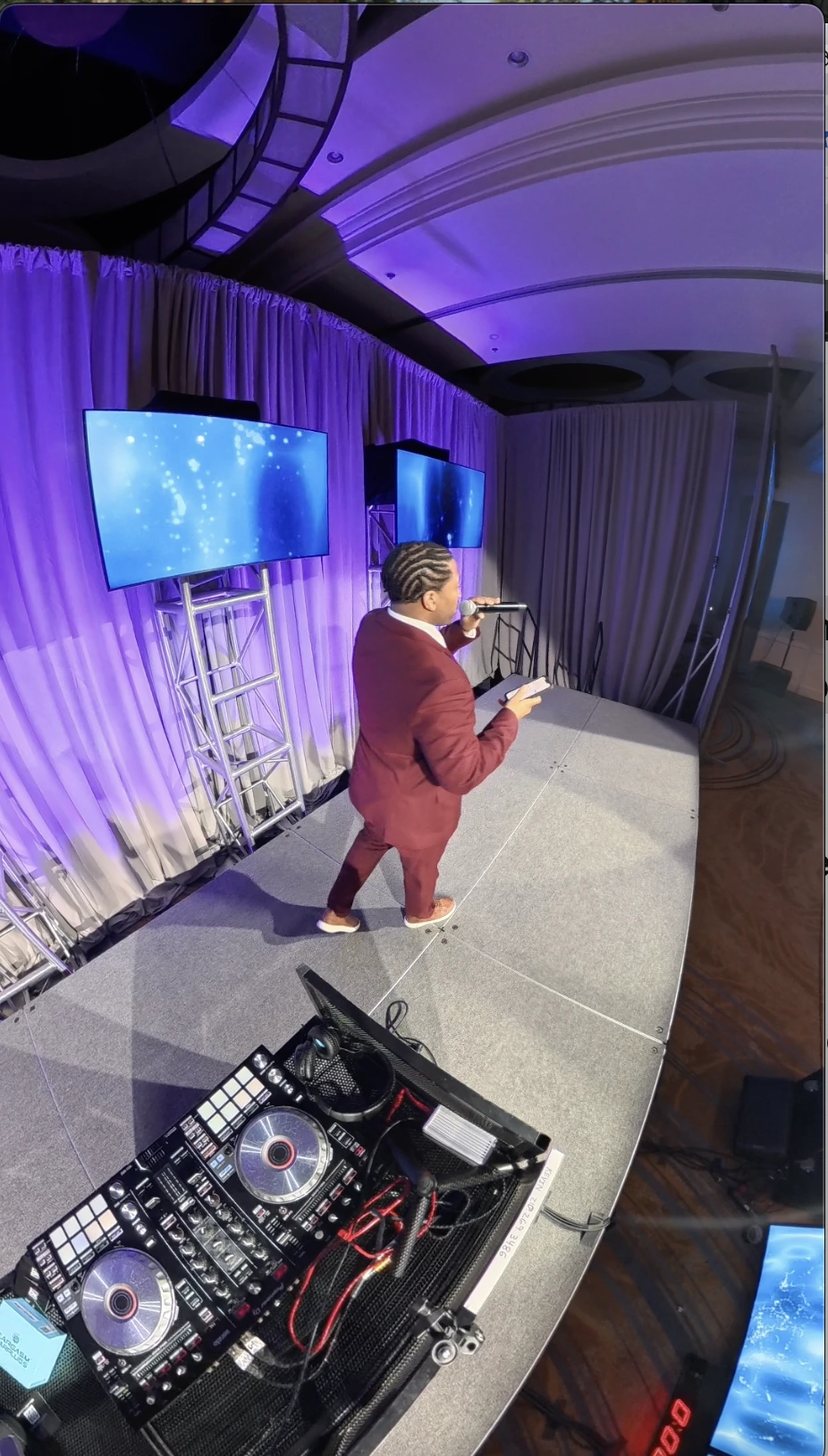
A straight answer first: we have not yet run a dedicated energy sector conference. What we bring is the playbook from large corporate rooms like the Horizon NJ Health Mental Matters Summit and CBRE, booked every year since 2019. Here is how we would program an energy industry gala or summit.
Energy sector meetings open with a safety moment. Not as a formality, as an actual part of the program, delivered before anything else, sometimes with an evacuation briefing for the specific room you are standing in. If an entertainment vendor does not understand why that comes first, they will get the tone of the entire event wrong.
“We had an incredible DJ at our party! Their energy was infectious, and they kept the dance floor alive all night. The music selection was on point, and they seamlessly transitioned between songs. Our guests couldn’t stop raving about the fantastic atmosphere they created.”
, Madison Childs, verified client review

5.0 from 121 Google reviews.
Energy sector meetings open with a safety moment. Not as a formality, as an actual part of the program, delivered before anything else, sometimes with an evacuation briefing for the specific room you are standing in. If an entertainment vendor does not understand why that comes first, they will get the tone of the entire event wrong.
Safety is the culture, not a compliance item
In utilities, oil and gas, power generation and renewables, safety performance is how organizations measure themselves and how they talk about themselves. A site that has gone years without a recordable incident treats that number the way a sales organization treats revenue.
That has direct programming consequences. The safety recognition segment is a real awards moment and should be produced like one, not read quickly before lunch. Days without incident, site records, safety leadership awards, near miss reporting recognition. This is the content the room actually came for and it is routinely given the worst slot on the agenda.
Two workforces in one room
Energy sector events usually contain field and corporate in the same space, and they are different rooms wearing the same badge. Field personnel work shifts, travel from sites, dress differently, and often have limited patience for corporate presentation. Corporate staff are in their normal element.
Almost everything that goes wrong at these events comes from programming for the corporate half. Overly produced content reads as headquarters spending money. A long strategy block loses the field completely. Recognition that only names leadership and not crews is noticed immediately.
The fix is straightforward and it is mostly about proportion. Name field crews and sites specifically. Keep the corporate content short. And make sure whoever is hosting can say the site names, the equipment names and the technical terms correctly, because getting those wrong marks you as an outsider in the first two minutes.
Long service recognition matters more here
Tenure in this industry runs long. Twenty five and thirty five year awards are common and they are genuinely meaningful, often covering a career at a single site.
These deserve individual treatment with specific citations: where they worked, what they worked on, who they trained. A list of names read quickly is a waste of the most emotionally significant material available at the entire event. Give this segment real time and it will carry the room further than anything else on the agenda.
Shift schedules and attendance
Operations do not stop for a meeting. Plants run, crews are on shift, and some portion of the people being recognized will not be in the room. That is normal and it needs a plan: who accepts on their behalf, whether the segment is recorded, and how the schedule handles a recipient who is not there.
It also affects timing. Events built around shift changes have hard boundaries, and people will leave at a specific time regardless of what is happening on stage.
Venues and locations
These events happen in places most corporate entertainment does not go: plant training centers, facilities in remote areas, regional hotels far from a major market, and sometimes tents on site.
That has practical implications. Equipment redundancy matters more when the nearest replacement is three hours away. Load in access at industrial facilities involves site safety induction, badging and escort requirements that take real time. And travel has to be planned as though weather and distance will cost a day, because sometimes they do.
We work nationwide from the New York, New Jersey, Philadelphia and DC corridor and travel regularly, and we plan remote site work with spares for everything rather than assuming a local rental option exists.
Union presence
Where represented workforces are in the room, there are conventions about who speaks, what is said and how recognition is structured. This is not an entertainment decision, but the host needs to be briefed on it, because the wrong framing from a microphone can create a problem the organization then has to manage.
We ask directly whether this applies and what the sensitivities are, rather than finding out during the event.
Questions we get
Is this a room that wants a party
Sometimes yes, more than people expect. Field crews who travelled in and are staying overnight will use an evening. What the room does not want is production at the expense of substance during the day.
What tone should the host take
Direct and unhurried. This is a plain spoken audience that responds to competence and is quick to read performance as insincerity. Earn it with accuracy: site names, crew names, the numbers said right.
How much production is appropriate
Enough that it works and not enough that anyone comments on what it cost. Excellent sound, clean cues, strong recognition, minimal spectacle.
Next step
Send us the agenda, the recognition lists and the site names with pronunciations. We will tell you where the day is programd for the wrong half of the room.
Frequently Asked Questions
What should you plan for first with this type of event?
In utilities, oil and gas, power generation and renewables, safety performance is how organizations measure themselves and how they talk about themselves. A site that has gone years without a recordable incident treats that number the way a sales organization treats revenue.
What’s the most common mistake to avoid?
Energy sector events usually contain field and corporate in the same space, and they are different rooms wearing the same badge. Field personnel work shifts, travel from sites, dress differently, and often have limited patience for corporate presentation.
What actually matters most on the day?
Tenure in this industry runs long. Twenty five and thirty five year awards are common and they are genuinely meaningful, often covering a career at a single site.